 Turkiyetoday
 Iran Strikes Israel Following Escalation in Lebanon Conflict
Article Content

- •Iran launched ballistic missiles at Israel in response to an Israeli airstrike on Beirut.
- •Iran's Foreign Minister held urgent talks with officials from Türkiye, the UK, and Pakistan.
- •Iran closed its western airspace following the missile strikes, indicating heightened military readiness.
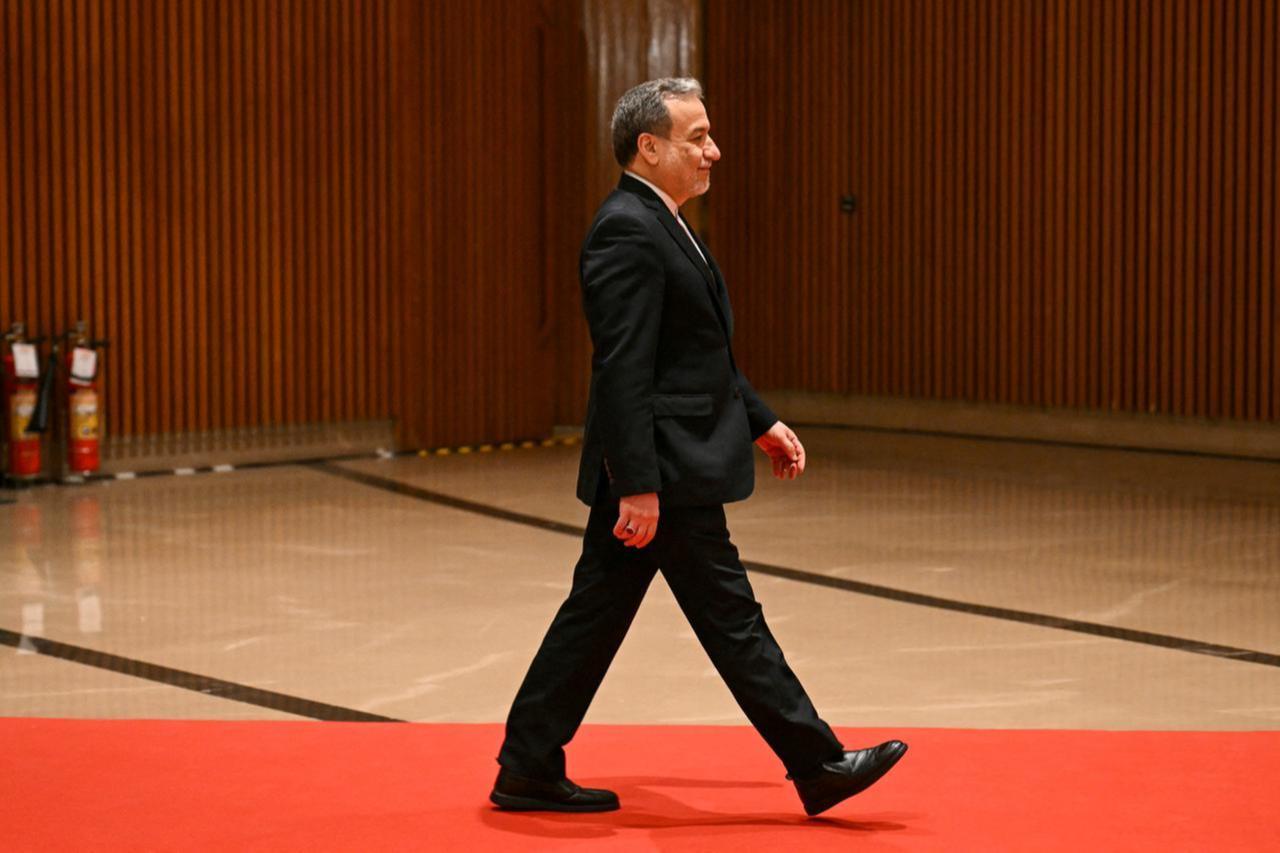
On June 7, 2026, Iranian Foreign Minister Abbas Araghchi engaged in urgent diplomatic talks with counterparts in Türkiye, the UK, and Pakistan after Iran launched ballistic missile strikes on Israel. This action was in retaliation for an Israeli airstrike on Beirut's Dahiyeh district, which Iran condemned as a violation of the ceasefire. The Iranian military targeted Israel's Ramat David Air Base, a key operational hub. Following the missile launches, Iran closed its western airspace, and Iraq also restricted its airspace for 72 hours. The discussions among the diplomats focused on regional developments and ongoing negotiations between Iran and the United States. The situation remains tense as diplomatic efforts continue amidst military escalations.
Ask AI about this cluster
Answers cite the sources they use
Timeline
More articles in this cluster (2)
Continue Reading
 Critical Zero-Day Vulnerability in F5 BIG-IP APM Exploited for Remote Code Execution F5 Networks has reported a critical vulnerability in its BIG-IP Access Policy Manager (APM), tracked as CVE-2026-94127, which is being actively exploited in the wild. The flaw allows unauthenticated attackers to execute remote code on systems configured with both an APM access policy and an OAuth profile. This…
  Massive Network of AI Proxy Servers Used for Malicious Activities Uncovered Security researchers from Team Cymru have identified over 10,000 proxy servers in China facilitating malicious AI activities. These servers, termed 'transfer stations,' are primarily used to bypass geographic restrictions and conduct model distillation attacks against frontier AI models. The infrastructure allows…