 Backendnews
Philippine lawmakers move to penalize malicious AI deepfakes
Article Content

- •Senate Bill No. 2620 (Kontra Malisyosong AI Act) was filed by Sen. Mark Villar on 2026-11-23 to regulate deepfakes.
- •The bill requires consent for realistic deepfakes of real people likely to cause harm and mandates AI-content disclosure labels.
- •Platforms would need to remove reported violating content within 24 hours or face fines of P200,000 to P300,000.
- •Malicious deepfake creation carries two to four years' imprisonment, or eight to 12 years when the victim is a child.
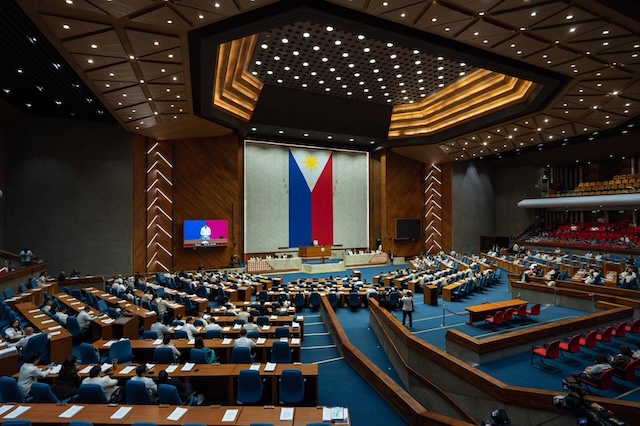
- •The House passed House Bill No. 11264 on Nov. 24, clarifying that the Safe Spaces Act covers AI-generated sexual harassment.
Sen. Mark Villar filed Senate Bill No. 2620, the proposed "Kontra Malisyosong AI Act," in the Philippine Senate on Monday, 2026-11-23, to regulate deepfakes and AI-manipulated media. The bill requires disclosure labels on AI-generated content intended for distribution and prior consent for deepfakes depicting real individuals when they are reasonably likely to cause harm. Digital platforms would have to provide reporting mechanisms and remove reported violating content within 24 hours. Penalties include two to four years' imprisonment and P250,000 to P500,000 in fines for malicious deepfakes, rising to eight to 12 years for cases involving a child victim. The House of Representatives passed House Bill No. 11264 on Nov. 24, according to Backendnews, which would clarify that the Safe Spaces Act (2019) covers AI-generated sexual harassment, including non-consensual intimate deepfakes. Under that bill's committee proposal, online services would have 24 hours to act on a notice or lawful order, by removing content, blocking the page, or disabling the account, and would retain content for one year and account details for six months. Villar's explanatory note cites the DICT's warning that cybercriminals use deepfakes for scams, phishing, and ransomware, and states that existing Data Privacy and Cybercrime Prevention Acts do not directly address deepfakes. Both measures are at the bill stage; the reporting does not indicate enactment.
Ask AI about this cluster
Answers cite the sources they use
Timeline
More articles in this cluster (2)
Common questions
Does this bill cover platforms or only individuals?
Is either bill law yet?
What must online services do under the House bill?
Continue Reading
 CVE-2026-123890: Auth bypass in VMware vCenter exploited by Armory Castle before patch CVE-2026-123890, a flaw in VMware vCenter Server rated CVSS 9.8, allows an unauthenticated remote attacker to obtain an administrator session on the platform. According to the Google Threat Intelligence Group, the flaw was exploited by the espionage group Armory Castle (formerly UNC5221), which has suspected China…