 Defensedaily
Raytheon Awarded Space Force Radar Modernization Contract
Article Content
Browse articles 
- •Raytheon awarded a contract for radar modernization under the GBRD program.
- •The initiative focuses on enhancing missile defense capabilities for the US Space Force.
- •A budget of $783 million is allocated for the GBRD effort in fiscal year 2027.
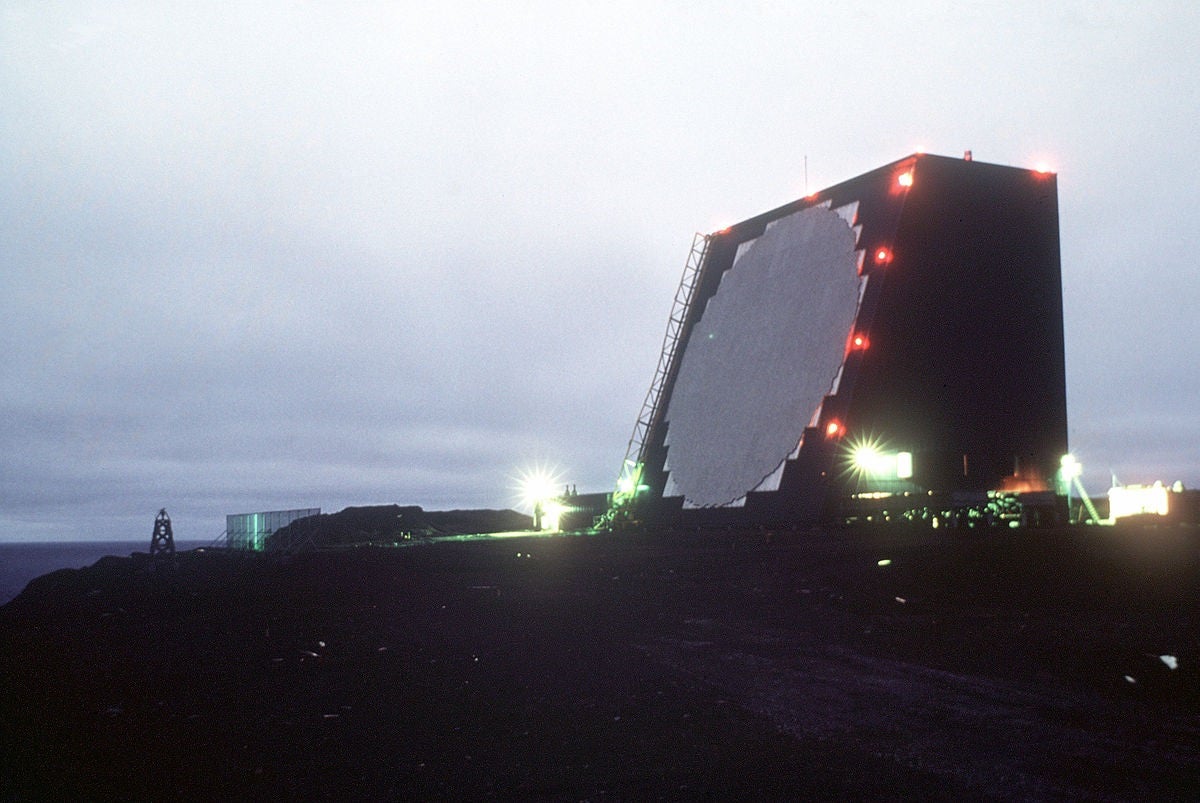
Raytheon has been selected to modernize US Space Force radar systems through the Ground-Based Radar Digitization (GBRD) program, which aims to enhance missile defense capabilities. The contract involves upgrading eight radar sites to improve early warning, object characterization, and tracking in space. The Space Force's fiscal year 2027 budget allocates $783 million for the GBRD initiative, which includes transitioning to rapid fielding after prototype systems are delivered. The specific value of the contract has not been disclosed, but the program is for enhancing national security in space operations.
Ask AI about this cluster
Answers cite the sources they use
Updated 28d ago How this analysis works
Timeline
2026-10-15
Raytheon selected for GBRD program
Raytheon announced its selection by the Space Force to modernize radar systems for missile defense.
Defensedaily2026-10-16
Raytheon contract details published
Details about the GBRD program and its objectives were published, highlighting enhancements in early warning and tracking capabilities.
Unmannedairspace.InfoMore articles in this cluster (2)
Common questions
What is the GBRD program?
The Ground-Based Radar Digitization program aims to modernize radar systems for enhanced missile defense capabilities.
How much funding is allocated for this initiative?
The Space Force's fiscal year 2027 budget includes $783 million for the GBRD effort.
What capabilities will the upgraded radars provide?
The upgraded radars will enhance early warning, object characterization, and tracking in space.
Continue Reading
 Critical RCE Vulnerability in Confection WordPress Plugin (CVE-2026-115252) A critical vulnerability, CVE-2026-115252, has been identified in the Confection WordPress Cable plugin, affecting versions 0.4.0 to 0.4.7. This flaw allows unauthenticated attackers to execute arbitrary PHP code on the server by writing unmodified settings into a PHP file without proper checks. The vulnerability has…
 Critical Code Injection Vulnerability in Staggs Plugin for WordPress A critical code injection vulnerability, CVE-2026-78287, has been identified in the Staggs plugin for WordPress, affecting versions up to 3.3.0. This flaw allows unauthenticated attackers to execute arbitrary code remotely, posing severe risks to affected sites. The vulnerability stems from improper control over code…