 Techtimes
Russia Launches Military GLONASS Satellite Amidst Ongoing Conflict
Article Content

- •Russia launched a military GLONASS satellite on November 7, 2026.
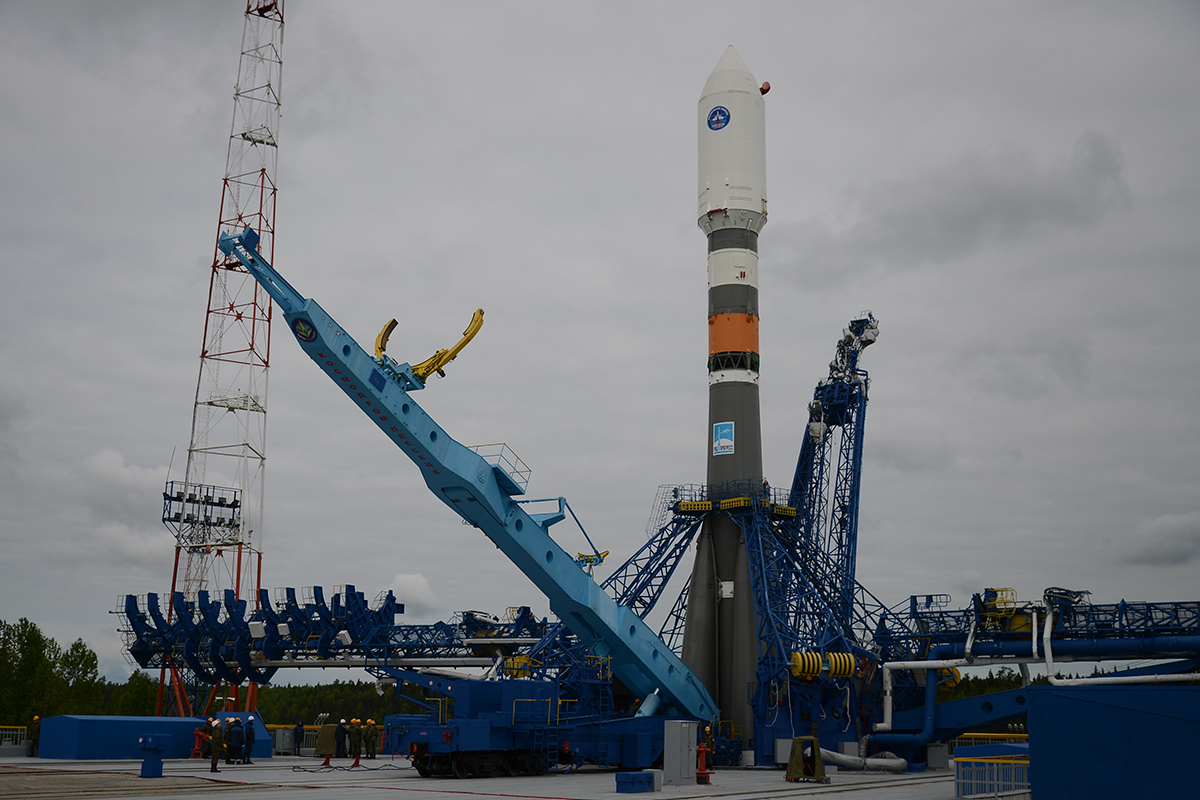
- •The launch was conducted from Plesetsk Cosmodrome using a Soyuz-2.1b rocket.
- •Operational security measures included extended NOTAM windows to conceal launch timing.
On November 7, 2026, Russia successfully launched a military satellite from Plesetsk Cosmodrome using a Soyuz-2.1b rocket. The Russian Ministry of Defense confirmed the satellite's entry into orbit but did not disclose its specific functions or capabilities. Open-source analysts suggest the satellite is part of the GLONASS navigation system, crucial for military operations in Ukraine. The launch reflects a pattern of increased military satellite activity by Russia, aimed at countering Ukrainian electronic warfare and drone threats. The timing of the launch was deliberately obscured, with extended NOTAM windows issued to enhance operational security. This operational secrecy is part of a broader strategy to protect military assets from potential attacks. The satellite's exact capabilities remain undisclosed, raising concerns about its potential military applications.
Ask AI about this cluster
Answers cite the sources they use
Timeline
More articles in this cluster (7)
Common questions
What is the purpose of the launched satellite?
How does this impact military operations?
What security measures were taken during the launch?
Continue Reading
 Volt Typhoon's Silent Train Network Targets US Critical Infrastructure The Chinese state-sponsored hacking group Volt Typhoon has been linked to a covert network called Silent Train, which has exploited at least four zero-day vulnerabilities over three years. This network utilizes rapidly rotating chains of compromised SOHO routers, IoT devices, and enterprise infrastructure to access…
 GitLab Issues Emergency Patch for Critical RCE Vulnerability GitLab has released emergency patches for a critical remote code execution vulnerability, CVE-2026-97229, affecting its Community and Enterprise Editions. This flaw, stemming from an integer overflow in the CI/CD regular expression compiler, allows unauthenticated attackers to execute arbitrary code via specially…