 Theins.Press
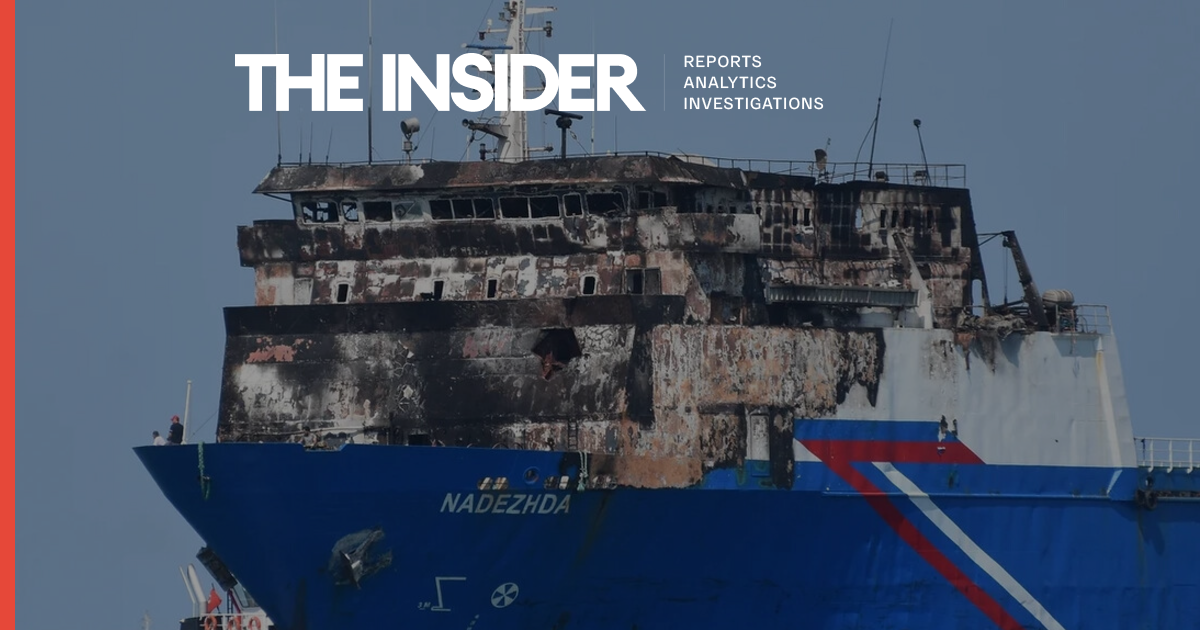
Russian Attacks Disrupt Black Sea Shipping, Threaten Global Food Security
Article Content

- •Russian attacks have damaged over 1,600 port facilities and hit more than 260 vessels.
- •Global food prices could rise by 25% due to disruptions in maritime routes.
- •Ukrainian officials are advocating for joint protection of shipping routes and a ceasefire.
Since summer 2026, Russian forces have intensified attacks on shipping in the Black Sea, targeting merchant vessels and port infrastructure. Ukrainian Foreign Minister Andrii Sybiha reported that over 1,600 port facilities have been damaged and more than 260 vessels hit due to Russian aggression.
The attacks have effectively halted agricultural exports from Ukraine and Russia, raising concerns about global food prices potentially increasing by 25%. The situation has escalated since Russia's withdrawal from a UN-backed grain export deal in July 2023, which allowed safe passage for vessels.
Ukrainian officials are calling for joint protection of maritime routes and a ceasefire in the Black Sea to mitigate the crisis. The ongoing conflict has turned the Black Sea into a highly dangerous area for shipping, comparable to the Strait of Hormuz for oil transport.
International efforts are underway to negotiate a truce, but as of now, the Kremlin continues its aggressive strategy.
Ask AI about this cluster
Answers cite the sources they use
Timeline
More articles in this cluster (17)
Common questions
What areas are most affected?
What is the current status of shipping safety?
Are there any international efforts to resolve this?
Continue Reading
 Broadcom patches critical VMware vCenter auth bypass flaws Broadcom disclosed VMware Security Advisory VMSA-2026-0009 on November 19, 2026, covering vulnerabilities in VMware vCenter, Tools, and SDDC Manager. CVE-2026-123890, a CVSS 9.8 authentication bypass in the VMware Directory Service, is listed in CISA's KEV catalog, which the verified record gives as 2026-11-20.…
 CVE-2026-123890: Auth bypass in VMware vCenter exploited by Armory Castle before patch CVE-2026-123890, a flaw in VMware vCenter Server rated CVSS 9.8, allows an unauthenticated remote attacker to obtain an administrator session on the platform. According to the Google Threat Intelligence Group, the flaw was exploited by the espionage group Armory Castle (formerly UNC5221), which has suspected China…