 Pbs
Series of tech outages prompts debate over whether AI-driven vulnerability discovery is to blame
Article Content

- •Officials say the recent outages affecting Microsoft, the FAA, major banks and the NSA were not intentional attacks.
- •Cato attributes the bank and NSA disruptions to a rapid succession of security patches for vulnerabilities found by AI.
- •PBS reports the President replaced the nation's top cybersecurity official after the outages.
- •Chris Krebs warns that AI models capable of finding vulnerabilities raise the likelihood of future attacks.
- •The articles cite no specific CVE identifiers for the November outages.
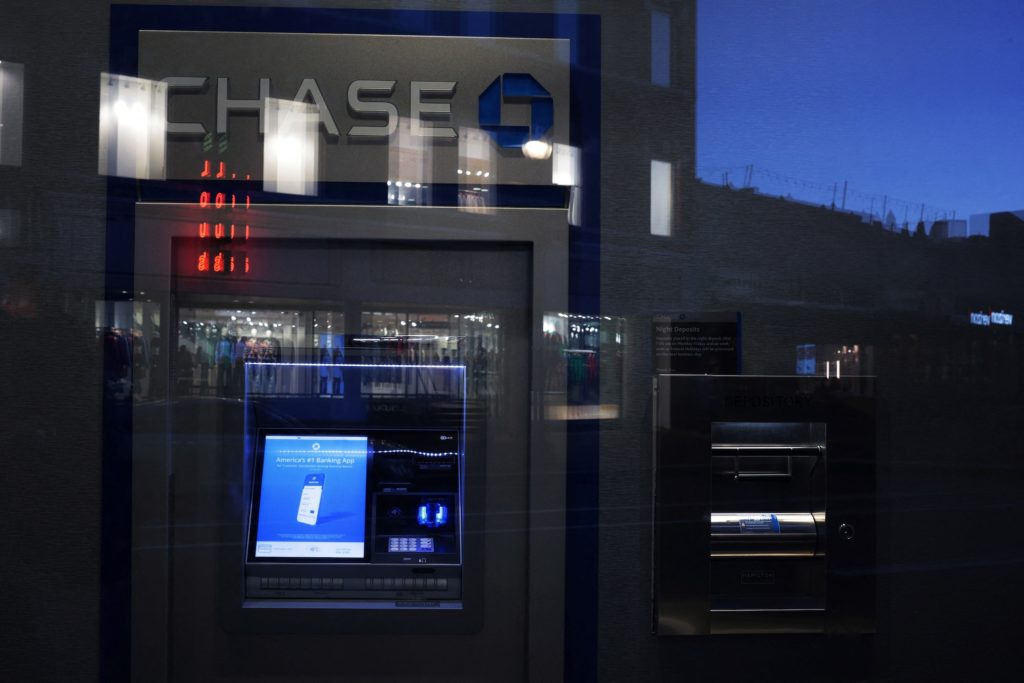
Between November 11 and 17, 2026, outages hit Microsoft email, the FAA (triggering a nationwide flight stoppage of several hours), major U.S. banks including J.P. Morgan Chase, and the National Security Agency's internal communications network. Officials have stressed the outages were not the result of intentional attacks. PBS reports President Trump replaced the nation's top cybersecurity official following the outages. Former CISA director Chris Krebs, interviewed by PBS, attributes the background to AI models capable of finding software vulnerabilities, citing Anthropic's Mythos preview released in April 2026, and says growing concern is that attacks are on the horizon. Cato Institute argues the outages do not appear to share a single cause: some were routine internet malfunctions or faulty equipment updates, while the bank and NSA disruptions followed a rapid succession of security patches addressing vulnerabilities discovered by AI. Cato also reports that recent reports indicate bot activity on social media promoted conspiracy theories blaming AI. Cato cites an October 2026 AI-discovered PHP vulnerability that led many websites, including government sites, to go offline for fixes, and a later AI-discovered Java vulnerability. Cato notes these outages are not yet clearly connected to a single cause and calls for more facts. No specific CVE identifiers are given in the available reporting.
Ask AI about this cluster
Answers cite the sources they use
Timeline
More articles in this cluster (2)
Following this threat?
Track Anthropic in your own feed — you're alerted when they show up in new reporting, leak sites or exploitation.
Free account · no card needed
Common questions
Were the November outages caused by cyberattacks?
Are AI-discovered vulnerabilities behind these outages?
What should defenders do now?
Continue Reading
 Lazarus Group Targets 30 South Korean Servers Using PHP Vulnerabilities North Korea-linked Lazarus Group has targeted 30 servers in South Korea as part of a larger cyber operation involving 581 servers across 10 countries. The attacks exploit two critical remote code execution vulnerabilities in PHP (CVE-2026-109618 and CVE-2026-109619), allowing unauthorized server command execution. The…