 Moneyweb.Co.Za
Smallholder farmer supply chains during COVID-19 lockdowns in South Africa
Article Content

- •Research covers eight intermediary organisations and 86 smallholder farmers across four South African provinces from April 2020 to March 2022.
- •Farmers were well supported only when a national initiative and trusted local organisations worked together.
- •Limpopo farmers linked in this way kept or grew incomes during lockdowns, while unlinked peers buried unsold crops.
- •The authors propose that the model can be sustained by steady buyers such as schools, retailers or municipalities rather than donations.
- •This is a non-security economic and supply chain study with no CVEs, threat actors or IOCs.
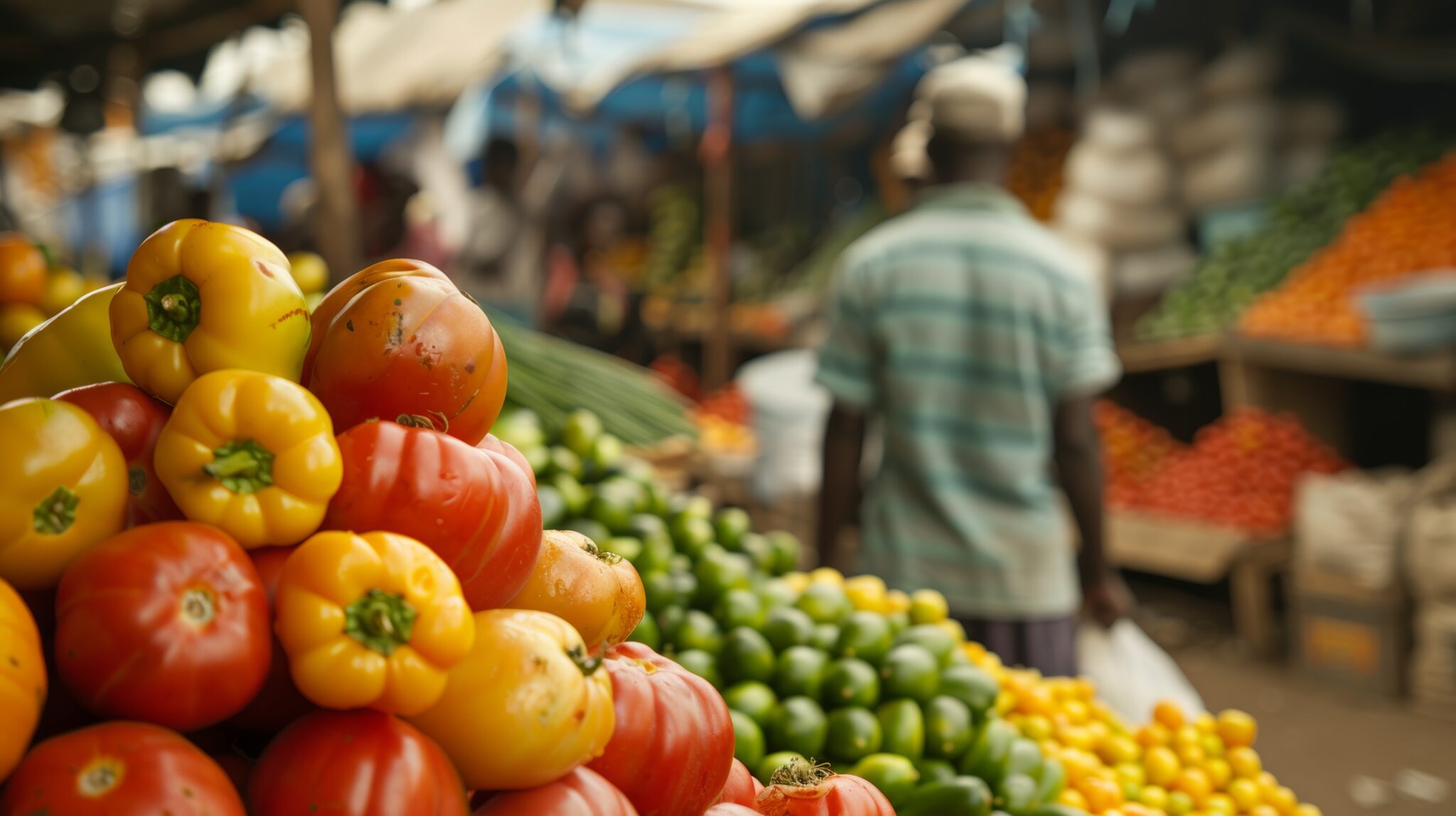
A study by researchers Mandy Rapson, Thanyani Ramarumo and an academic author (published via The Conversation and Moneyweb) examines how an emergency supply chain was built in days when COVID-19 lockdowns closed markets that smallholder farmers depend on. The researchers followed eight intermediary organisations and 86 smallholder farmers across the Western Cape, Eastern Cape, KwaZulu-Natal and Limpopo between April 2020 and March 2022. They report that farmers were well supported only when a new national initiative capable of raising money and dealing with formal institutions worked alongside long-standing local organisations that farmers already trusted. According to the articles, Limpopo farmers linked in this way kept or grew their incomes during the lockdowns, while similar farmers without these links buried unsold crops. A manager at Sigidi, a farmer organisation in the rural Eastern Cape, reportedly sent employees to work after crops began rotting in the field. A Cape Town initiative called FoodFlow was among the groups involved in the emergency supply chain. The authors argue the pairing model can continue without donor funding if paired with a steady buyer such as a school feeding programme, retailer or municipality. The articles also note that informal producers are vulnerable to climate disasters and fuel price shocks. This is a research and commentary piece rather than a security event; it contains no vulnerabilities, threat actors or indicators of compromise.
Ask AI about this cluster
Answers cite the sources they use
Timeline
More articles in this cluster (7)
Following this threat?
Track FoodFlow in your own feed — you're alerted when they show up in new reporting, leak sites or exploitation.
Free account · no card needed
Common questions
Does this affect my organisation's security?
Is any action required?
Who conducted the study?
Continue Reading
 CVE-2026-123890: Auth bypass in VMware vCenter exploited by Armory Castle before patch CVE-2026-123890, a flaw in VMware vCenter Server rated CVSS 9.8, allows an unauthenticated remote attacker to obtain an administrator session on the platform. According to the Google Threat Intelligence Group, the flaw was exploited by the espionage group Armory Castle (formerly UNC5221), which has suspected China…