 Ispreview
UK Government Proposes New Rules to Protect Subsea Cables from Sabotage
Article Content

- •UK Government proposes new penalties for damaging subsea cables, including up to 14 years imprisonment.
- •Most cable faults are accidental, but deliberate sabotage is increasing, necessitating stronger laws.
- •New telecom security duties will require better risk management and reporting from providers.
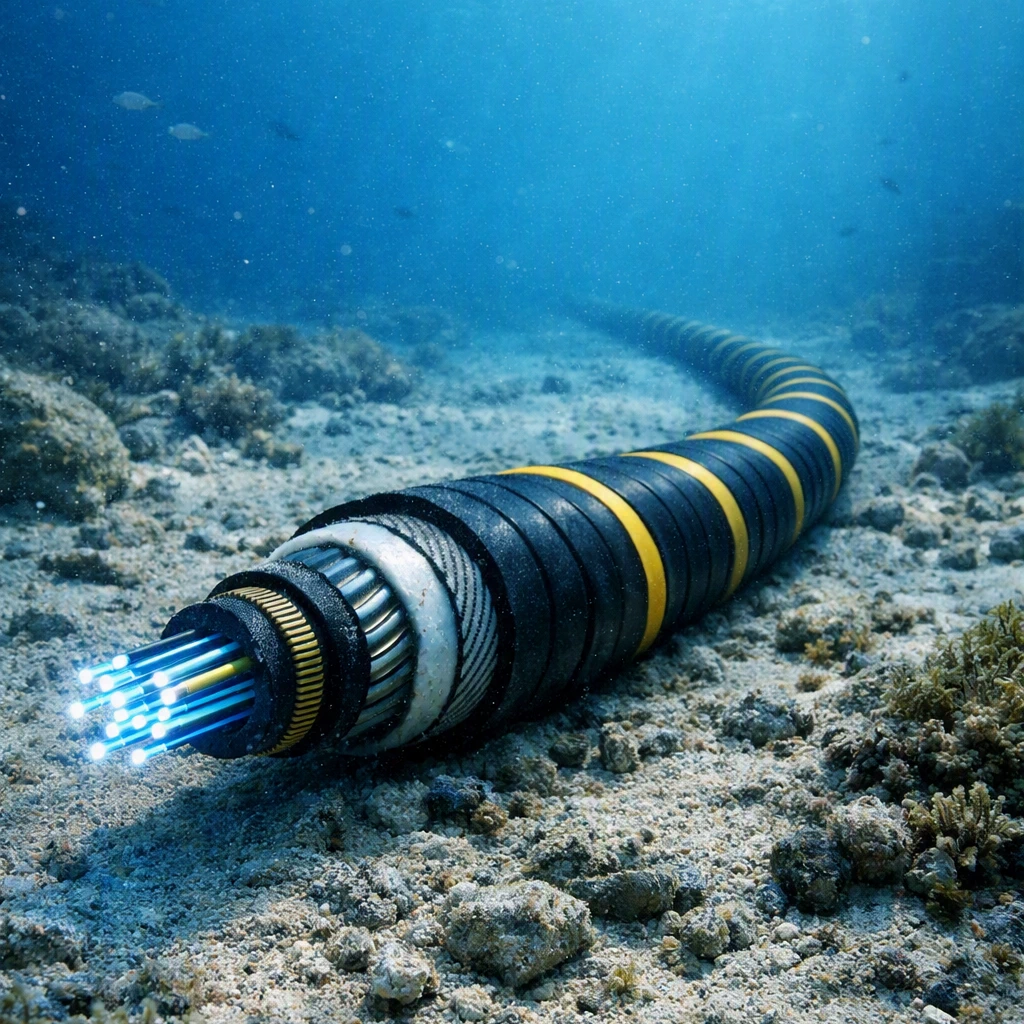
On October 22, 2026, the UK Government published a White Paper outlining new rules aimed at enhancing the security of critical subsea infrastructure (CUI). These proposals include tougher penalties for damaging subsea cables, with fines and prison sentences potentially reaching up to 14 years. The document highlights that while most cable damage is accidental, deliberate sabotage has become a growing concern. The current legal framework, established under the Submarine Telegraph Act of 1885, is deemed insufficient. The government plans to formalize these proposals through public consultation, focusing on new security duties for telecom providers and improved monitoring technologies. The average global rate of cable faults is 150 to 200 annually, with the majority not being malicious. The UK relies heavily on subsea cables for broadband access and trade, making their protection vital.
Ask AI about this cluster
Answers cite the sources they use
Timeline
More articles in this cluster (2)
Common questions
What are the proposed penalties for damaging subsea cables?
What is the current state of subsea cable protection laws?
How often do subsea cables suffer damage?
Continue Reading
 Critical RCE Vulnerability in Confection WordPress Plugin (CVE-2026-115252) A critical vulnerability, CVE-2026-115252, has been identified in the Confection WordPress Cable plugin, affecting versions 0.4.0 to 0.4.7. This flaw allows unauthenticated attackers to execute arbitrary PHP code on the server by writing unmodified settings into a PHP file without proper checks. The vulnerability has…
 Critical Code Injection Vulnerability in Staggs Plugin for WordPress A critical code injection vulnerability, CVE-2026-78287, has been identified in the Staggs plugin for WordPress, affecting versions up to 3.3.0. This flaw allows unauthenticated attackers to execute arbitrary code remotely, posing severe risks to affected sites. The vulnerability stems from improper control over code…