 Kyivindependent
Ukraine's long-range strikes on Russian oil refining and missile supply chain continue amid US pressure
Article Content

- •Reuters-cited estimates put Russian oil refining output down about 45 percent since late October 2026, causing fuel shortages in some regions.
- •Ukraine reportedly paused refinery strikes for about two weeks in October under US pressure before resuming attacks.
- •Recent Ukrainian strikes have shifted toward airfields and missile-industry suppliers, including reported destruction of Su-34 aircraft at Borisoglebsk.
- •Putin publicly threatened retaliation against Ukrainian energy infrastructure, dismissing the strikes as causing no significant damage.
- •The Atlantic Council argues funding, not industrial capacity, limits Ukraine's domestic long-range drone production.
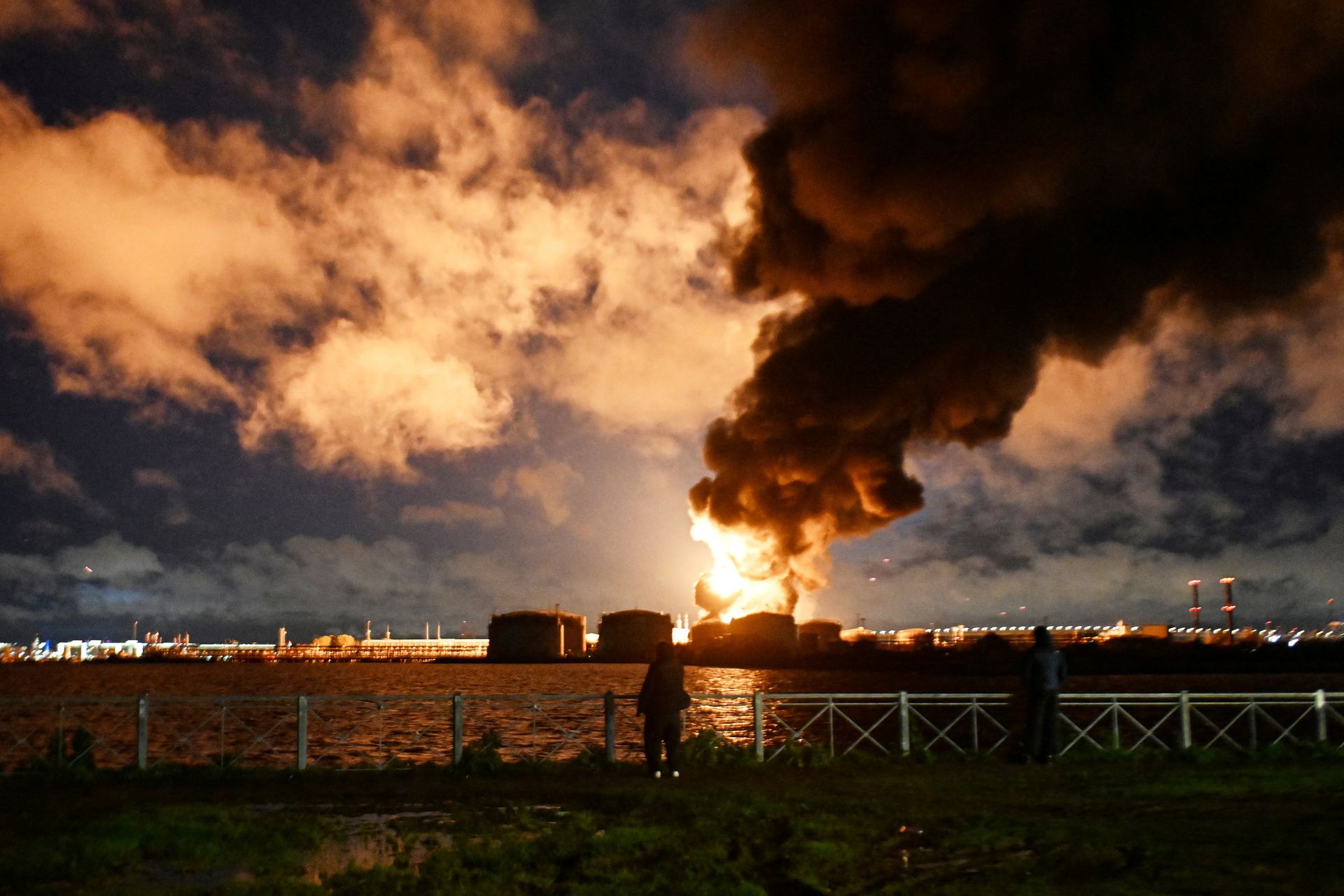
Kyivindependent reports that after a near two-week pause in refinery strikes in the second half of October 2026, following US pressure and a Trump-announced 'energy ceasefire', Ukraine shifted to other targets including airfields and plants supplying Russia's missile production. Reuters, as cited by the Atlantic Council, reports that Ukrainian long-range drone strikes have reduced Russian oil refining output by around 45 percent since late October, causing renewed fuel shortages in some Russian regions. Zelenskyy reportedly claimed Ukrainian attacks had taken 55 percent of Russia's refinery capacity offline, a figure the Atlantic Council cites without independent verification. Kyivindependent says Russian regional online communities widely discussed the fuel shortages and petrol price rises of 21 percent in the first nine months of 2026. British intelligence estimates, as reported by Kyivindependent, put the number of Su-34 fighter-bombers destroyed by Neptune missiles at the Borisoglebsk airfield at between two and four. The Wall Street Journal reported Ukrainian military personnel were told to stop refinery strikes in mid-October; Kyiv denies this. Putin, quoted by Pravda, claimed the refinery strikes caused nothing significant and threatened retaliation against Ukrainian energy and other targets. The Atlantic Council argues Ukraine's drone production is constrained by funding rather than industrial capacity. Strikes were ongoing as of the latest reporting.
Ask AI about this cluster
Answers cite the sources they use
Timeline
More articles in this cluster (16)
Common questions
How much Russian refining capacity has been affected?
Did Ukraine stop its strikes after the US energy ceasefire?
Are Russian civilians or infrastructure facing retaliation?
Continue Reading
 Broadcom patches critical VMware vCenter auth bypass flaws; one Broadcom disclosed VMware Security Advisory VMSA-2026-0009 on November 19, 2026, covering vulnerabilities in VMware vCenter, Tools, and SDDC Manager. CVE-2026-123890, a CVSS 9.8 authentication bypass in the VMware Directory Service, is listed in CISA's KEV catalog, which the verified record gives as 2026-11-20.…
 CVE-2026-123890: Auth bypass in VMware vCenter exploited by Armory Castle before patch CVE-2026-123890, a flaw in VMware vCenter Server rated CVSS 9.8, allows an unauthenticated remote attacker to obtain an administrator session on the platform. According to the Google Threat Intelligence Group, the flaw was exploited by the espionage group Armory Castle (formerly UNC5221), which has suspected China…