 Dvidshub
U.S. Army Demonstrates Autonomous Port Defense Technologies
Article Content
Browse articles 
- •The U.S. Army demonstrated autonomous surface vessels for port defense.
- •The event took place in Suisan Bay, California, on November 14, 2026.
- •The technology aims to address manning and equipment shortfalls at Army shipping facilities.
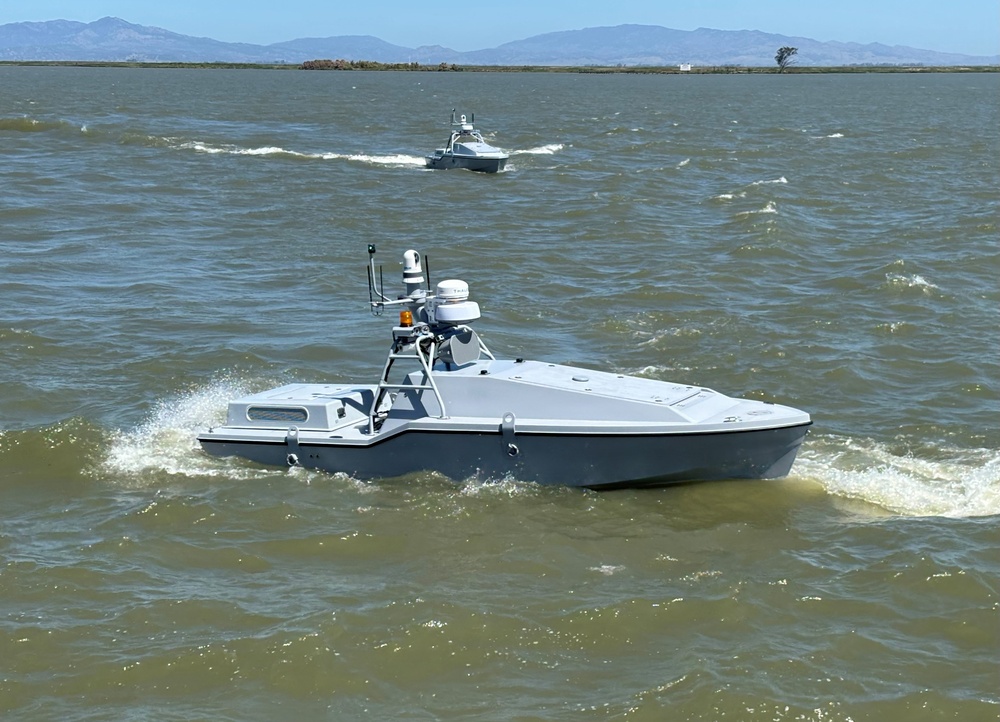
On November 14, 2026, the U.S. Army showcased autonomous surface vessels in Suisan Bay, California, as part of a multi-day demonstration aimed at enhancing port security. The event, conducted in collaboration with industry partner Saronic and the DEVCOM Ground Vehicle Systems Center, highlighted the vessels' capabilities in addressing operational challenges related to manning and equipment shortages at critical Army shipping facilities. The demonstrations are intended to assess and transition maritime technologies for real-world applications in port defense. No specific vulnerabilities, attack methods, or exploitation details were reported in the articles.
Ask AI about this cluster
Answers cite the sources they use
Updated 2h ago How this analysis works
Timeline
2026-11-14
Autonomous vessels demo conducted
The U.S. Army showcased 24-foot autonomous surface vessels in Suisan Bay to enhance port security capabilities.
DvidshubMore articles in this cluster (2)
Common questions
What was demonstrated during the event?
The U.S. Army demonstrated the capabilities of 24-foot autonomous surface vessels for port defense.
Who partnered with the U.S. Army for this demonstration?
The demonstration was conducted in collaboration with industry partner Saronic and the DEVCOM Ground Vehicle Systems Center.
What operational challenges does this technology address?
The technology aims to address manning and equipment shortfalls at critical Army shipping facilities.
Continue Reading
 Lazarus Group Targets 30 South Korean Servers Using PHP Vulnerabilities North Korea-linked Lazarus Group has targeted 30 servers in South Korea as part of a larger cyber operation involving 581 servers across 10 countries. The attacks exploit two critical remote code execution vulnerabilities in PHP (CVE-2026-109618 and CVE-2026-109619), allowing unauthorized server command execution. The…