 Energyconnects
 US DOE Allocates $94M to Boost Small Modular Reactor Deployment
Article Content

- •DOE awarded over $94 million to eight companies for SMR deployment.
- •Funding targets licensing, site preparation, and supply chain improvements.
- •Advanced SMRs are crucial for meeting future electricity demands.
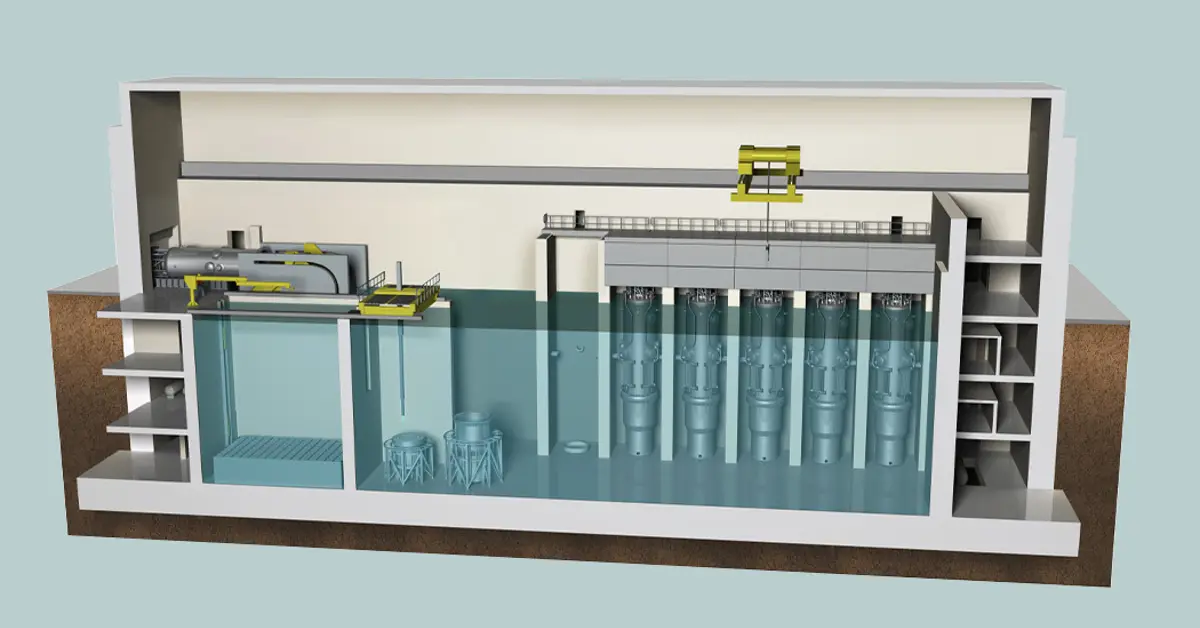
The U.S. Department of Energy (DOE) has awarded over $94 million to eight American companies to expedite the deployment of advanced light-water small modular reactors (SMRs). This funding aims to address bottlenecks in licensing, site preparation, and supply chain readiness for Generation III+ SMRs, which are expected to play a crucial role in meeting rising electricity demand in the 2030s. Key recipients include Constellation SMR Development and Nebraska Public Power District, which are set to receive significant amounts for Early Site Permit work. Other awards focus on enhancing manufacturing capacity and quality assurance across the nuclear supply chain. The initiative is part of a broader strategy to bolster America's energy independence and support the manufacturing sector, particularly in light of increasing demands from data centers and AI growth. Secretary of Energy Chris Wright emphasized the importance of these reactors in providing reliable power for the future.
Ask AI about this cluster
Answers cite the sources they use
Timeline
More articles in this cluster (2)
Following this threat?
Track Holtec Government Services in your own feed — you're alerted when they show up in new reporting, leak sites or exploitation.
Free account · no card needed
Continue Reading
 Critical WSO2 API Manager Vulnerability Under Active Exploitation A critical vulnerability (CVE-2026-5430) in WSO2 API Manager is being actively exploited, allowing unauthenticated attackers to forge admin tokens via JWT authentication bypass. This flaw, which has a CVSS score of 10.0, affects multiple WSO2 products including API Manager, Universal Gateway, Traffic Manager, and API…
  Critical Linux Kernel Vulnerability CVE-2025-39682 Under Active Exploitation A critical vulnerability (CVE-2025-39682) in the Linux kernel allows remote code execution through mishandling of zero-length TLS records. This flaw affects kTLS-enabled hosts running vulnerable kernel versions, exposing them to attackers without authentication. CISA added this vulnerability to its Known Exploited…