 www.nbcnews.com
Trump Administration Suspends Microsoft and Adobe from Green Card Program
Article Content

- •The Trump administration suspended Microsoft and Adobe from the PERM program due to alleged visa abuse.
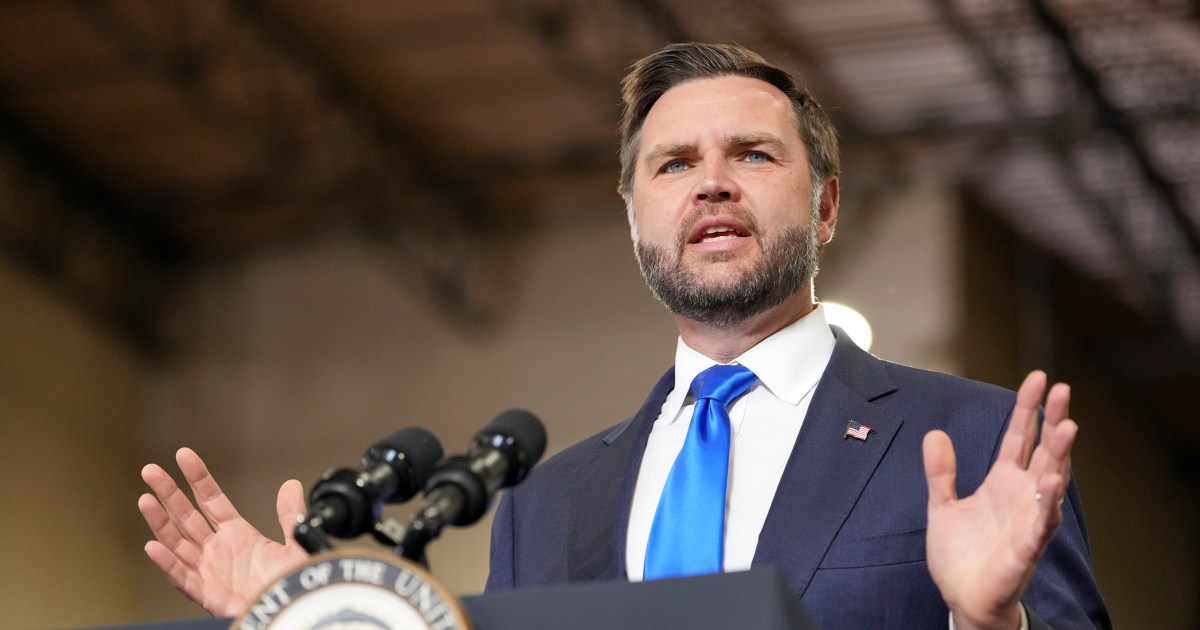
- •Vice President JD Vance claims Microsoft laid off American workers while applying for numerous H-1B visas.
- •The suspension affects multiple tech firms, including Cognizant and Infosys, amid a crackdown on immigration fraud.
On October 8, 2026, the Trump administration announced the suspension of Microsoft, Adobe, and several IT firms from the permanent labor certification program, which is essential for H-1B visa holders seeking green cards. Vice President JD Vance accused these companies of abusing the visa system, claiming that Microsoft laid off 6,000 American workers while simultaneously applying for over 6,300 H-1B visas. The suspension affects applications from Microsoft, Adobe, Cognizant, Infosys, Tata, Wipro, HCL Technologies, and Capgemini. Labor Secretary Keith Sonderling stated that the administration is investigating potential fraud in the visa applications. Microsoft responded by asserting that most of its H-1B filings were for current employees and not new hires. This action is part of a broader crackdown on immigration programs perceived to disadvantage American workers. The administration's stance has raised concerns among tech companies that rely heavily on skilled foreign labor.
Ask AI about this cluster
Answers cite the sources they use
Timeline
More articles in this cluster (8)
Following this threat?
Track Adobe in your own feed — you're alerted when they show up in new reporting, leak sites or exploitation.
Free account · no card needed
Common questions
Which companies are affected by the suspension?
What is the reason for the suspension?
How is Microsoft responding to the allegations?
Continue Reading
 PHP Security Updates Patch 18 Flaws, Including CVSS 9.2 PHP-FPM Request Smuggling Bug Security updates for PHP addressing 18 vulnerabilities across the core engine, session handling, PHP-FPM, and CGI were released on 19 November 2026, according to CERT-PH. The most critical flaw, CVE-2026-129289, is a PHP-FPM request smuggling vulnerability rated CVSS 9.2, which CERT-PH says may allow unauthenticated…