 Back www.gadgetreview.com
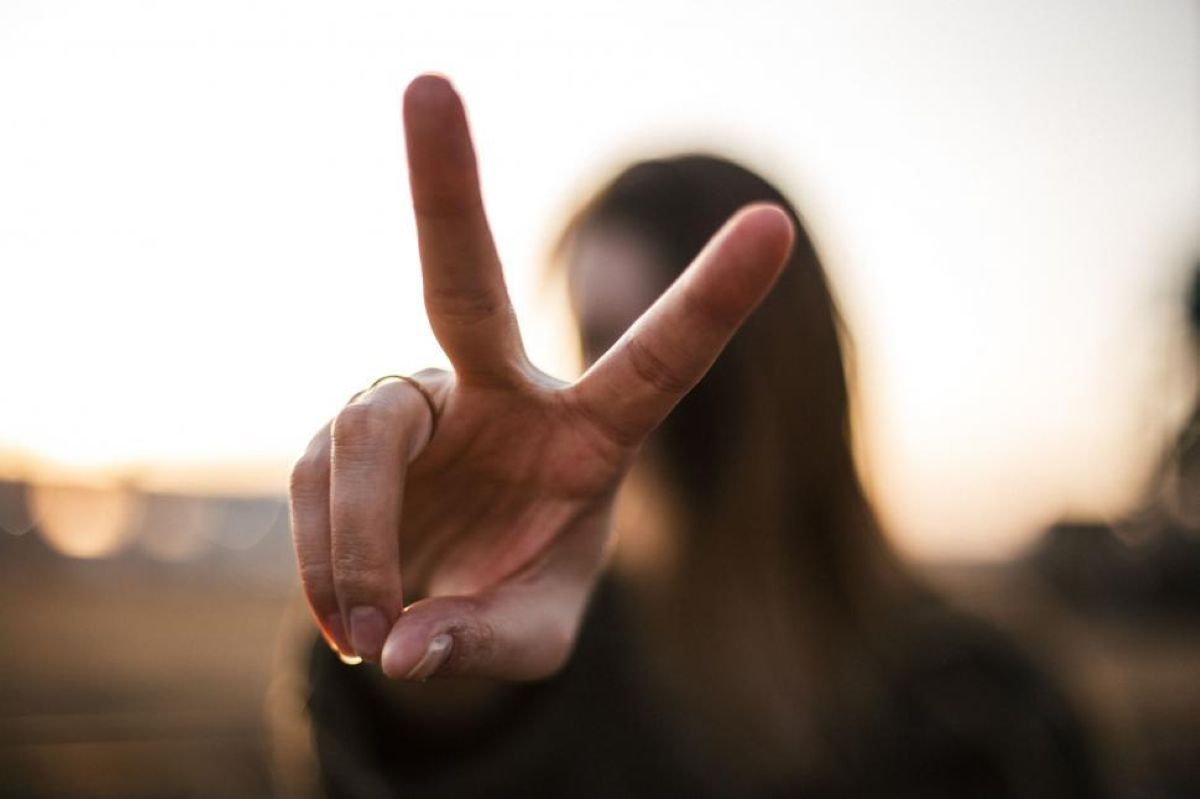
 Ai Can Steal Your Fingerprints Thanks To That Peace Sign In Your Selfies
Your latest Instagram post with the classic peace sign might have just handed over your fingerprints to anyone with AI tools and patience. Security experts are warning that high-resolution selfies—especially those trendy finger-forward poses—contain enough biometric detail for sophisticated attackers to reconstruct usable fingerprints.
Modern smartphones and enhancement algorithms turn everyday photos into biometric goldmines.
Security researchers have demonstrated this vulnerability through various methods, extracting fingerprint data from celebrity selfies posted on social media. The sweet spot for attacks? Photos taken within five feet , where smartphone cameras capture ridge patterns clearly enough for AI enhancement tools to sharpen into usable biometric templates .
Your iPhone’s computational photography that makes every shot look professional also makes your fingerprints more vulnerable than ever. Advanced AI can now sharpen fingerprint images from standard photos, dramatically increasing the feasibility of extracting biometric data from social media images.
Fingerprint spoofing has evolved from lab experiments to accessible attack methods.
German hacker Jan Krissler proved the concept back in 2013 , bypassing Apple’s Touch ID with a photographed fingerprint. By 2014 , he recreated a German defense minister’s fingerprint from press conference photos.
What’s changed? AI democratized the enhancement process. Tools that once required specialized knowledge now work with consumer hardware—Photoshop, a laser printer, and wood glue can create convincing fakes. The permanent problem remains: unlike passwords, compromised fingerprints “cannot be reissued or cancelled,” according to privacy regulators.
Major breaches prove biometric databases are irresistible targets for attackers.
The 2019 Suprema breach exposed fingerprint data from over a million people, while the 2015 Office of Personnel Management hack compromised 5.6 million federal employee fingerprints. These weren’t selfie-based attacks—they targeted centralized databases directly.
But they illustrate why security experts treat any fingerprint compromise as permanently damaging. Currently, selfie-based extraction remains targeted rather than automated, requiring specific conditions and technical skills most casual criminals lack.
Simple precautions can dramatically reduce your biometric exposure risk.
The threat will likely intensify as AI tools improve and camera resolution increases. But biometric authentication isn’t going anywhere; it’s too convenient and still more secure than simple PINs for everyday device protection. The key is understanding what you’re sharing when that peace sign faces the lens.
The full story
This article is one source in a clustered incident — the cluster page carries the summary, timeline and every other outlet covering it.
