 Back Backendnews
House passes bill covering deepfakes used for sexual harassment
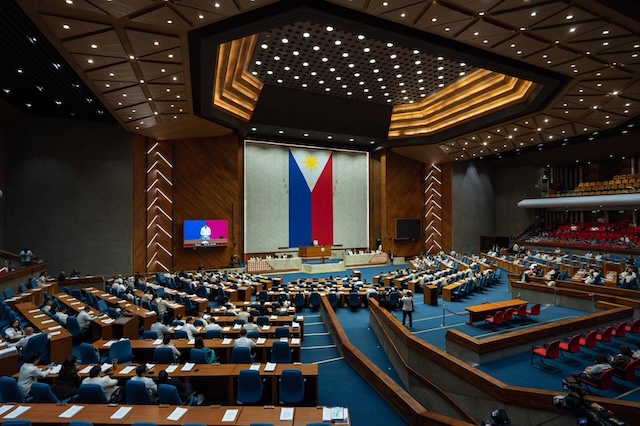
A bill the Philippine House of Representatives passed on Nov. 24 would make clear that the Safe Spaces Act covers the use of artificial intelligence (AI) to sexually harass someone online.
Someone can take a person’s face from a school photo and use AI to make it look like she posed for an intimate picture. The fake picture is called a deepfake. It can look real to classmates who see it in a group chat, even though the person never posed for it. House Bill No. 11264 would set a deadline for online services to remove such a picture or stop people from viewing it.
Akbayan Rep. Chel Diokno, one of the bill’s principal authors, highlighted a provision on deepfakes in his post the House vote. He described it as “Proteksyon laban sa paggamit ng AI-generated deepfakes para sa sexual harassment at pang-aabuso .”
The Philippine Commission on Women calls this “the non-consensual generation of intimate imagery (e.g., deepfakes).” In its AI guidelines, the commission says making a fake intimate image of someone without their permission violates protections under the Safe Spaces Act.
The 2019 law already covers sexual harassment in private messages as well as public posts. Examples include sending someone unwanted sexual , pretending to be that person online, or sharing a sexual photo or video of them without permission. The bill would add clear language using AI to carry out those acts.
Under the House committee’s proposal, an online service would have 24 hours to act once it receives a notice or lawful order from the proper authority. The service could take down the picture, block the page where it appears, or stop people from accessing the account that posted it.
The service would still have to keep a copy of the content for one year. It would also have to keep account details for six months so investigators could look into who posted the picture after it disappears from public view.
