 www.unchained.com
Coldcard Vulnerability Exposes Singlesig Users While Multisig Remains Secure
Article Content

- •A vulnerability in Coldcard wallets exposed singlesig users to potential theft.
- •Weakness in the random number generator compromised key generation entropy.
- •Multisig wallets provided enhanced security, preventing immediate access to funds.
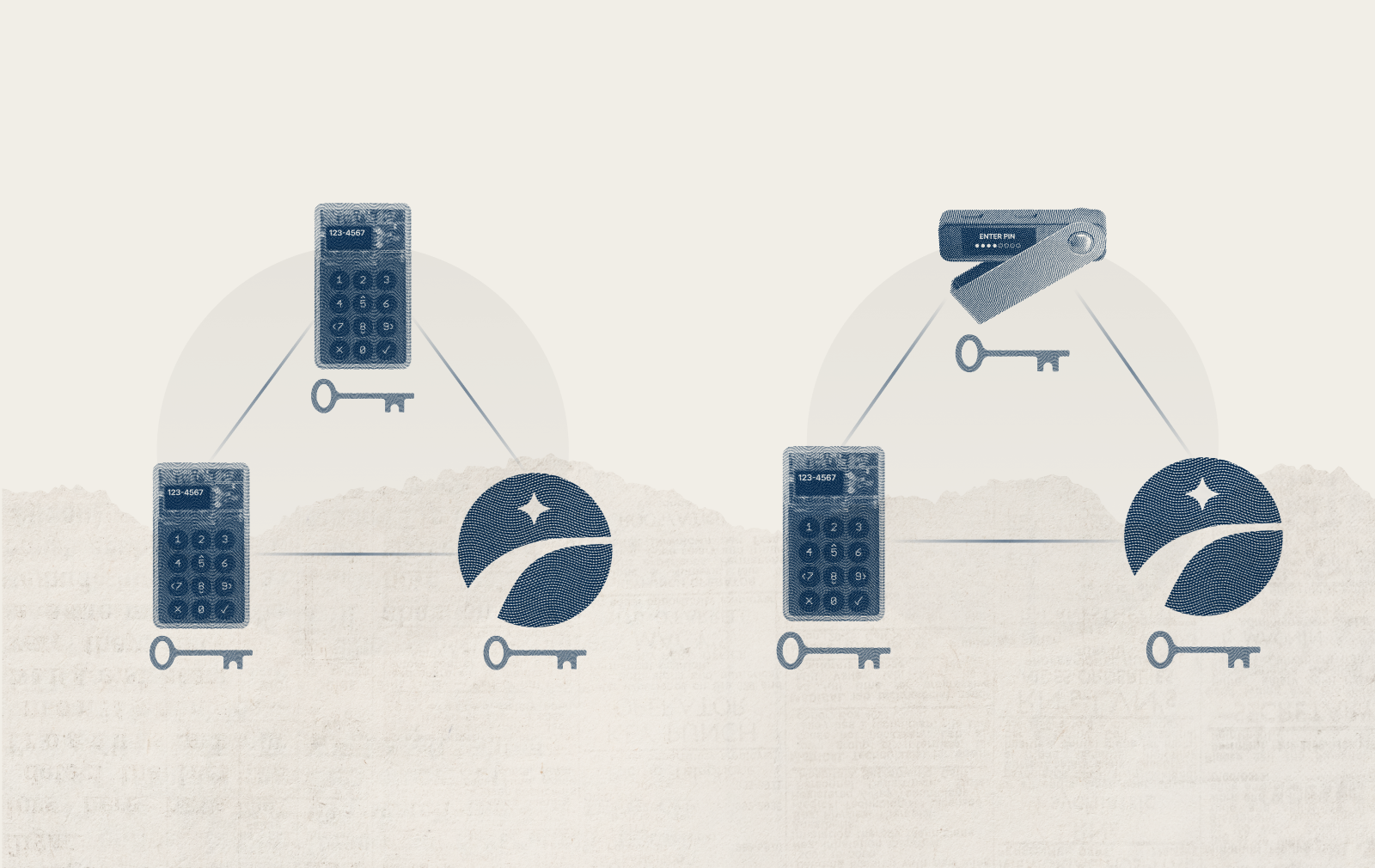
On July 30, 2026, Coinkite issued a security advisory regarding a vulnerability in most Coldcard hardware wallets. The flaw was linked to a weak random number generator, compromising the entropy used for key generation. This left singlesig wallet users vulnerable to theft, as attackers could easily scan for keys tied to live balances. In contrast, multisig wallet users, particularly those using a 2-of-3 setup, were shielded from immediate risk, as a single compromised key was insufficient for access. Unchained reported that multisig provided additional fault tolerance and time for users to respond. Attackers exploited the vulnerability by scanning common derivation paths to find keys. Unchained also implemented direct-to-miner transaction submissions to mitigate risks associated with unconfirmed transactions. The situation emphasizes the importance of multisig wallets in enhancing security against such vulnerabilities.
Ask AI about this cluster
Answers cite the sources they use
Timeline
More articles in this cluster (2)
Following this threat?
Track Coinkite in your own feed — you're alerted when they show up in new reporting, leak sites or exploitation.
Free account · no card needed
Continue Reading
 Critical RCE Vulnerability in Prefab UI Disclosed A critical remote code execution vulnerability, CVE-2026-120338, was disclosed on November 1, 2026, affecting Prefab UI's Generative UI sandbox. The flaw allows attackers to execute arbitrary Python code by exploiting Deno's permissions, enabling file read/write access on the host server. This vulnerability affects…
 Chinese Actor Compromises US Government Networks via PHP2Shell Exploit A suspected Chinese nation-state actor exploited vulnerabilities in Palo Alto Networks firewalls using a chained PHP2Shell exploit and a Linux kernel privilege escalation flaw. The attack, which began on October 23, targeted 25 servers across the US, Japan, Taiwan, and South Korea, with a focus on US…