 Enlit.World
Cybersecurity Risks in European Solar PV Systems Linked to Chinese Components
Article Content

- •European solar PV systems face increasing cybersecurity risks due to Chinese components.
- •Vulnerabilities in inverters could lead to grid imbalances and power outages.
- •The EU is advised to implement stricter regulations on Chinese-made energy infrastructure.
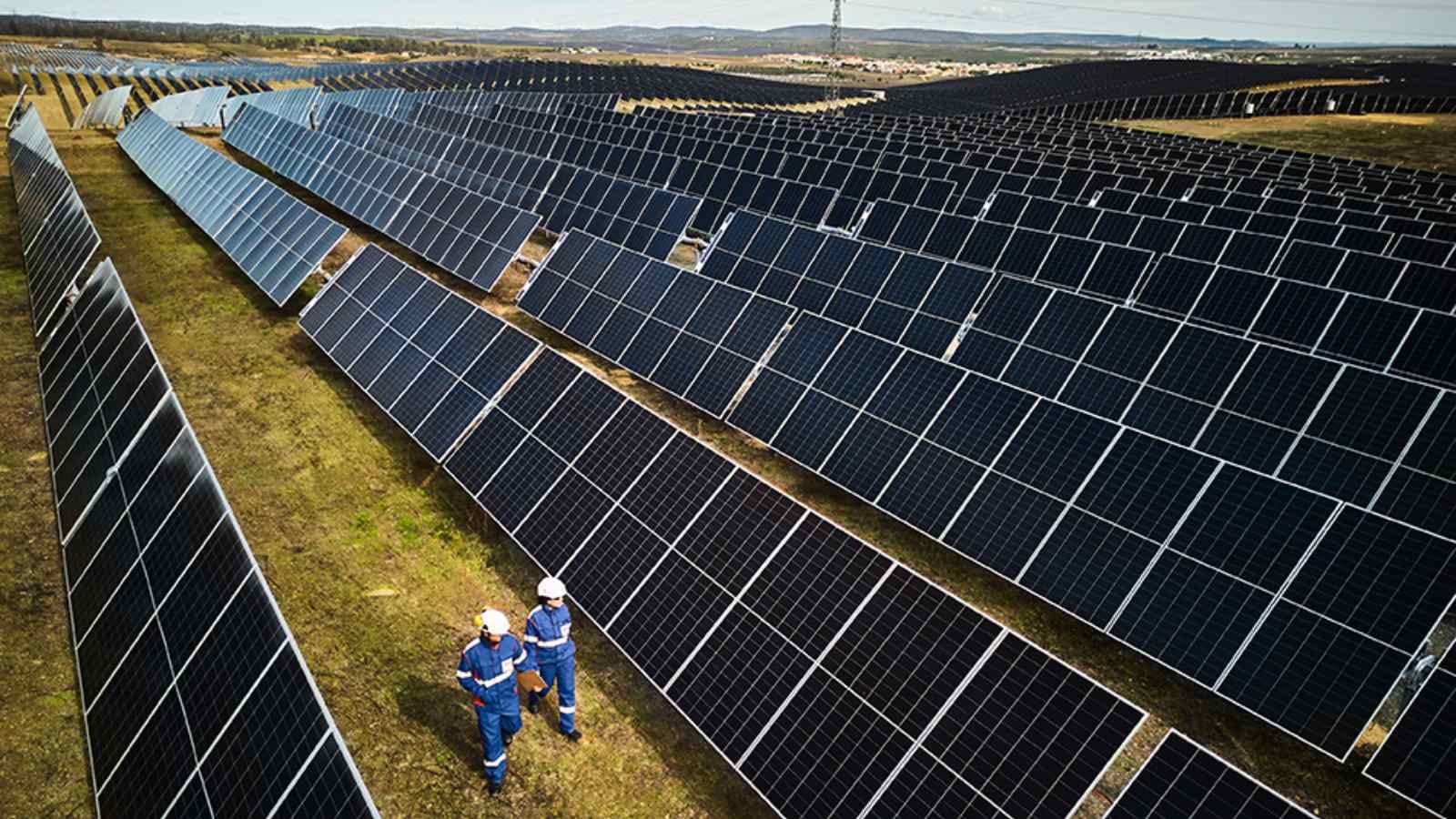
As Europe's solar PV capacity grows, cybersecurity risks have emerged, particularly from Chinese-made inverters. A recent study by the European Commission's Smart Energy Expert Group identifies serious vulnerabilities that could lead to grid imbalances and outages. The report highlights risks from attacks on manufacturer platforms and potential backdoors in inverter firmware. Geopolitical tensions with China exacerbate these concerns, prompting calls for stricter regulations on Chinese components in critical infrastructure. The EU is urged to adopt a 'Made in Europe' requirement to mitigate these risks. Recommendations include robust vulnerability handling processes and encouraging bug bounty programs for manufacturers.
Ask AI about this cluster
Answers cite the sources they use
Timeline
More articles in this cluster (2)
Common questions
What specific vulnerabilities are identified?
How does this impact the energy grid?
What actions are recommended for manufacturers?
Continue Reading
 Critical RCE Vulnerability in Prefab UI Disclosed A critical remote code execution vulnerability, CVE-2026-120338, was disclosed on November 1, 2026, affecting Prefab UI's Generative UI sandbox. The flaw allows attackers to execute arbitrary Python code by exploiting Deno's permissions, enabling file read/write access on the host server. This vulnerability affects…
 China-Linked Hackers Exploit PHP2Shell Vulnerabilities to Breach U.S. Government Systems On October 21, 2026, the PHP development team released patches for two critical vulnerabilities in PHP, known as PHP2Shell (CVE-2026-109618 and CVE-2026-109619), which allow unauthenticated remote code execution. These vulnerabilities were actively exploited by a suspected China-linked threat actor who compromised 25…