 iguru.gr
ESET Report: APT Groups Use AI in Cyber Espionage Activities
Article Content

- •APT groups are increasingly using AI in cyber operations.
- •Significant activity from Chinese, Iranian, Russian, and North Korean APT groups reported.
- •Ukraine remains a primary target for multiple state-linked threat actors.
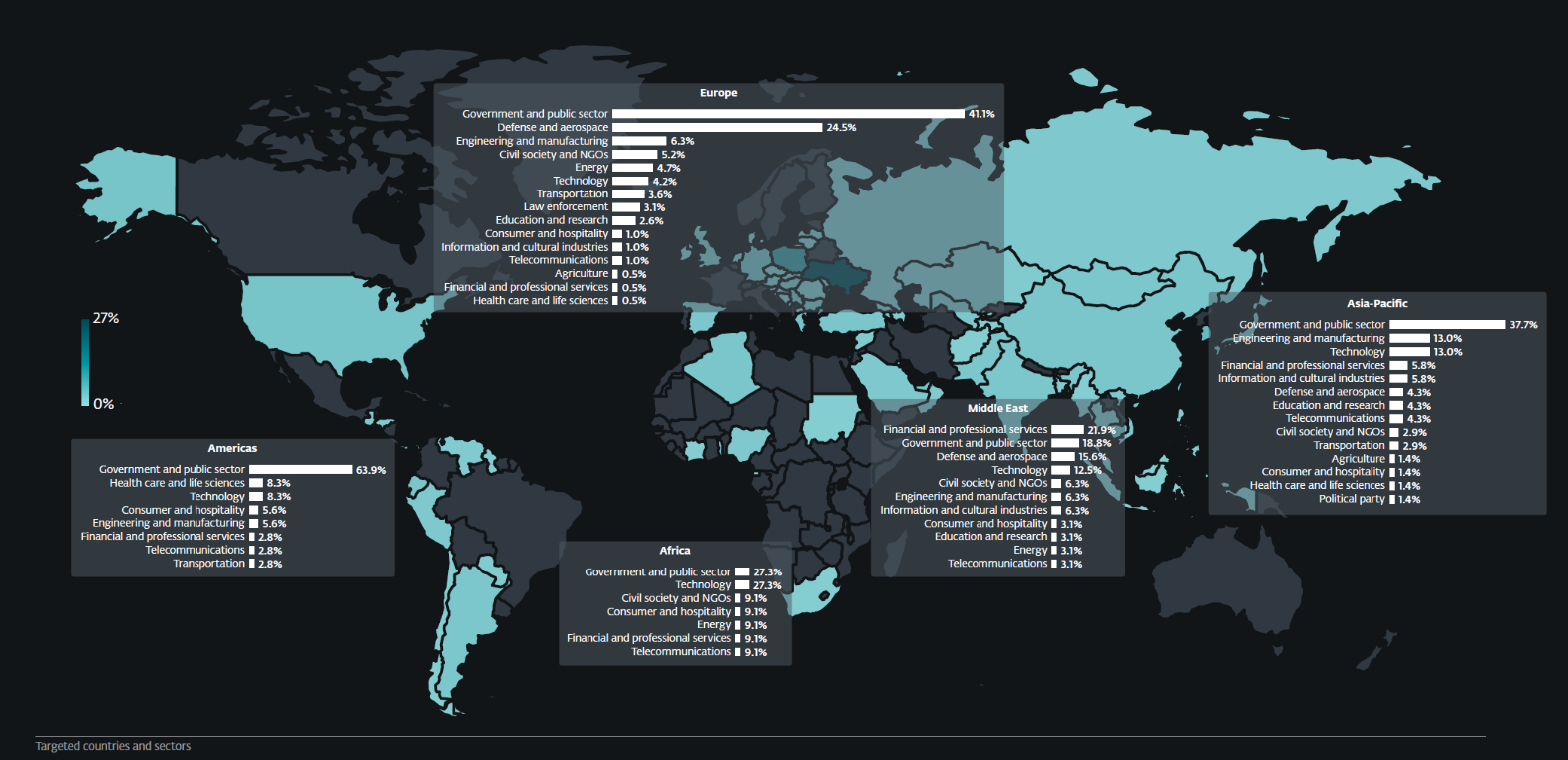
ESET's latest report details the activities of Advanced Persistent Threat (APT) groups from April to September 2026, highlighting the increasing use of artificial intelligence in their operations. APT groups linked to China focused on intelligence gathering against state entities, while Iranian groups re-emerged with heightened activity in the Middle East. Russian APT groups targeted European defense organizations and military entities, particularly in Ukraine, aligning closely with Russian strategic goals. Belarusian APT activities are increasingly synchronized with Russia's priorities. North Korean APT groups are also intensifying their focus on Ukraine and South Korea. The report emphasizes the use of AI in various stages of cyber operations, including malware development and phishing site creation.
Ask AI about this cluster
Answers cite the sources they use
Timeline
More articles in this cluster (3)
Following this threat?
Track Arid Viper in your own feed — you're alerted when they show up in new reporting, leak sites or exploitation.
Free account · no card needed
Common questions
Which APT groups are active?
What methods are being used by these groups?
What regions are most affected?
Continue Reading
 Increased APT Activity from Iran-aligned Groups Targeting Israel ESET's APT Activity Report indicates a resurgence of Iran-aligned groups, specifically FilthyFeline and MuddyWater, targeting multiple sectors in Israel and some US companies. This activity aligns with Russia-aligned operations supporting wartime objectives, particularly in Ukraine. Belarus-aligned actors are…
 Critical RCE Vulnerability in Prefab UI Disclosed A critical remote code execution vulnerability, CVE-2026-120338, was disclosed on November 1, 2026, affecting Prefab UI's Generative UI sandbox. The flaw allows attackers to execute arbitrary Python code by exploiting Deno's permissions, enabling file read/write access on the host server. This vulnerability affects…