 Notebookcheck
Fake Google Sheets Chrome extension used to read Gmail for Remus stealer buyers
Article Content

- •The 'Gmail zero-day' is a malicious Chrome extension named Google Sheets, not a Google or Gmail flaw, per Gen and Invoke RE.
- •The extension polls up to 10 signed-in Gmail accounts every minute and exfiltrates message content to attacker servers.
- •It is installed by writing directly into Chrome profile preferences and enabling Developer Mode, since Chrome 137 removed --load-extension.
- •Revoking sessions or changing passwords stops collection, but the installed extension can resume when the user signs back in.
- •Check chrome://extensions for unpacked Google Sheets entries or Developer Mode you did not enable, then change passwords and revoke sessions.
Gen researchers report that the Gmail 'zero-day' advertised by Remus infostealer sellers is a malicious Chrome extension disguised as Google Sheets, not a Gmail vulnerability. Gen's analysis was published November 24, and Invoke RE independently traced the feature to the same extension. Remus developers began promoting the feature on underground forums on November 8, claiming it survived password changes and session revocation. Some Remus builds download a module that writes the extension into the victim's Chrome profile on Windows, enables Developer Mode, and restarts Chrome; Gen says the technique reuses methods published since 2015. The extension polls unread Gmail messages every minute for up to 10 signed-in accounts and sends sender, subject, body and victim address to a command-and-control server. Collection stops when the victim signs out or sessions are revoked, but the extension persists and can resume when the user signs back in on the infected machine. Google told Cybernews there is no Gmail or Google vulnerability involved. Hudson Rock questioned the developer and a self-described customer and said promotional material did not establish post-recovery access. CyberInsider reports the feature is sold in a $1,000-a-month tier. Remediation advice from Hudson Rock is to treat a hit as a full endpoint compromise and check Chrome for unpacked extensions and Developer Mode.
Ask AI about this cluster
Answers cite the sources they use
Timeline
More articles in this cluster (3)
Following this threat?
Track Infostealer and CyberInsider in your own feed — you're alerted when they show up in new reporting, leak sites or exploitation.
Free account · no card needed
Common questions
Am I affected by this Gmail extension?
Does changing my password remove the threat?
Is there a Gmail vulnerability I need to patch?
Continue Reading
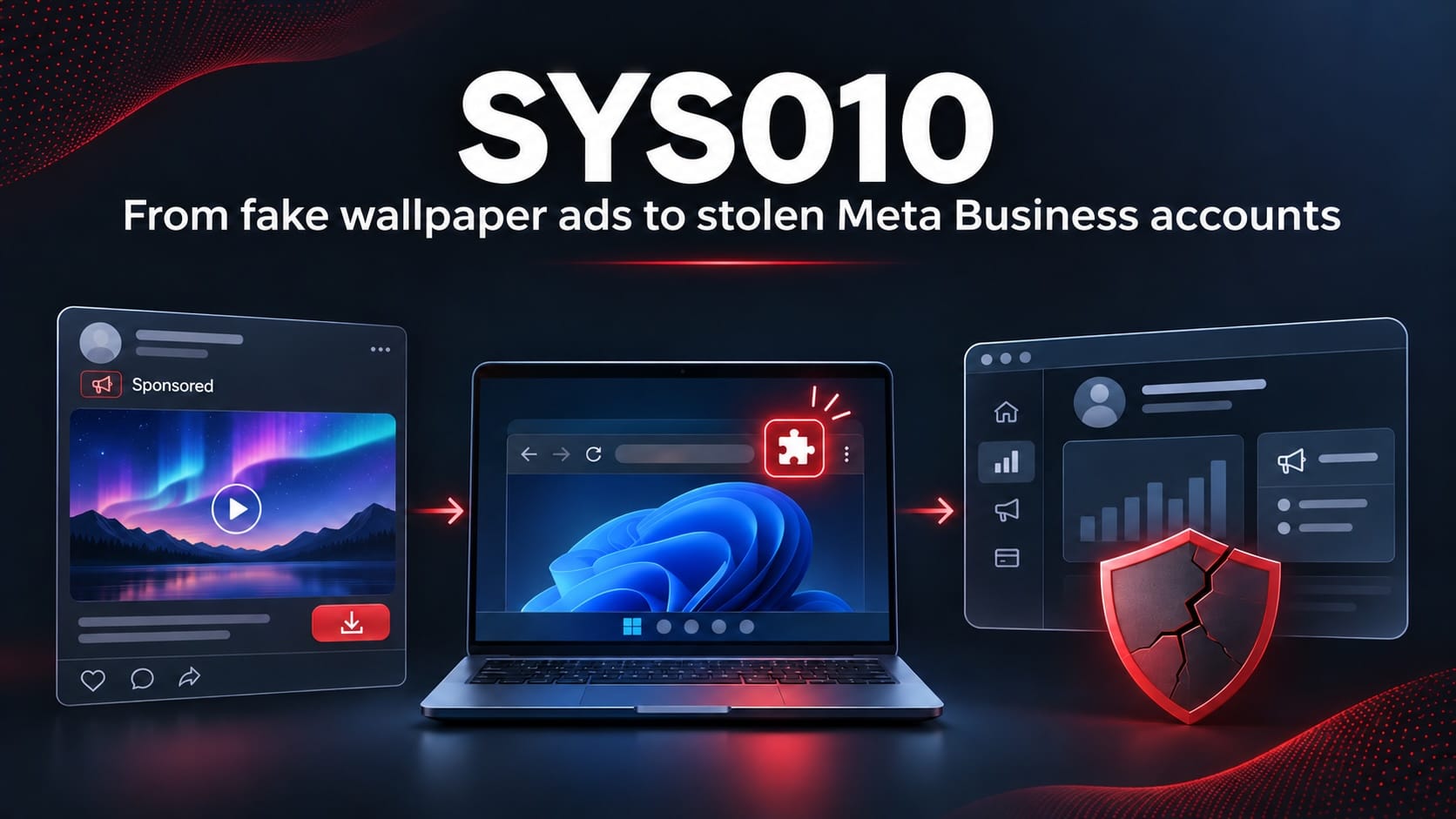 SYS010 malvertising campaign uses fake wallpaper apps to hijack Meta Business and email accounts Bitdefender Labs reports SYS010, a new version of the SYS01 infostealer, delivered through Meta ads promoting free animated wallpaper apps for Windows. The malicious installers run a working wallpaper application while installing malicious components in the background. Bitdefender describes a PHP loader that enrolls…
 OXLoader Malware Loader Uses DLL Hijacking to Deliver Multiple Infostealers and RATs Malwarebytes reports a rise in activity involving OXLoader, a loader that installs other malware on Windows PCs, with payloads varying by campaign and including Remcos, OverLord, PureRAT, Lunex Stealer, LOLD, and Hermes. Depending on the payload, attackers could steal saved browser passwords and other data, remotely…