 Oakbaynews
International Crackdown on Gootloader Malware in Operation Endgame
Article Content

- •Operation Endgame targets the Gootloader malware used for unauthorized system access.
- •672 infected websites were remediated globally, including 24 in Canada.
- •The RCMP developed a disinfection tool shared with international partners.
Operation Endgame, led by the RCMP in Canada and supported by international partners, has targeted the Gootloader malware, which facilitates unauthorized access to systems via compromised WordPress sites. The operation involved law enforcement from Denmark, the Netherlands, the U.S., Germany, and the U.K. Over the week of November 9, 672 infected websites were remediated globally, with 24 of those in Canada. The RCMP's Cybercrime Investigation Team developed a disinfection tool that was shared with partners to combat the malware. Gootloader is known for masquerading as legal documents to trick users into downloading malware. This operation marks a significant collaborative effort against cybercrime, emphasizing the importance of international cooperation in cybersecurity.
Ask AI about this cluster
Answers cite the sources they use
Timeline
More articles in this cluster (4)
Following this threat?
Track Gootloader and Eurojust in your own feed — you're alerted when they show up in new reporting, leak sites or exploitation.
Free account · no card needed
Common questions
What is Gootloader malware?
How many websites were affected?
What actions should organizations take?
Continue Reading
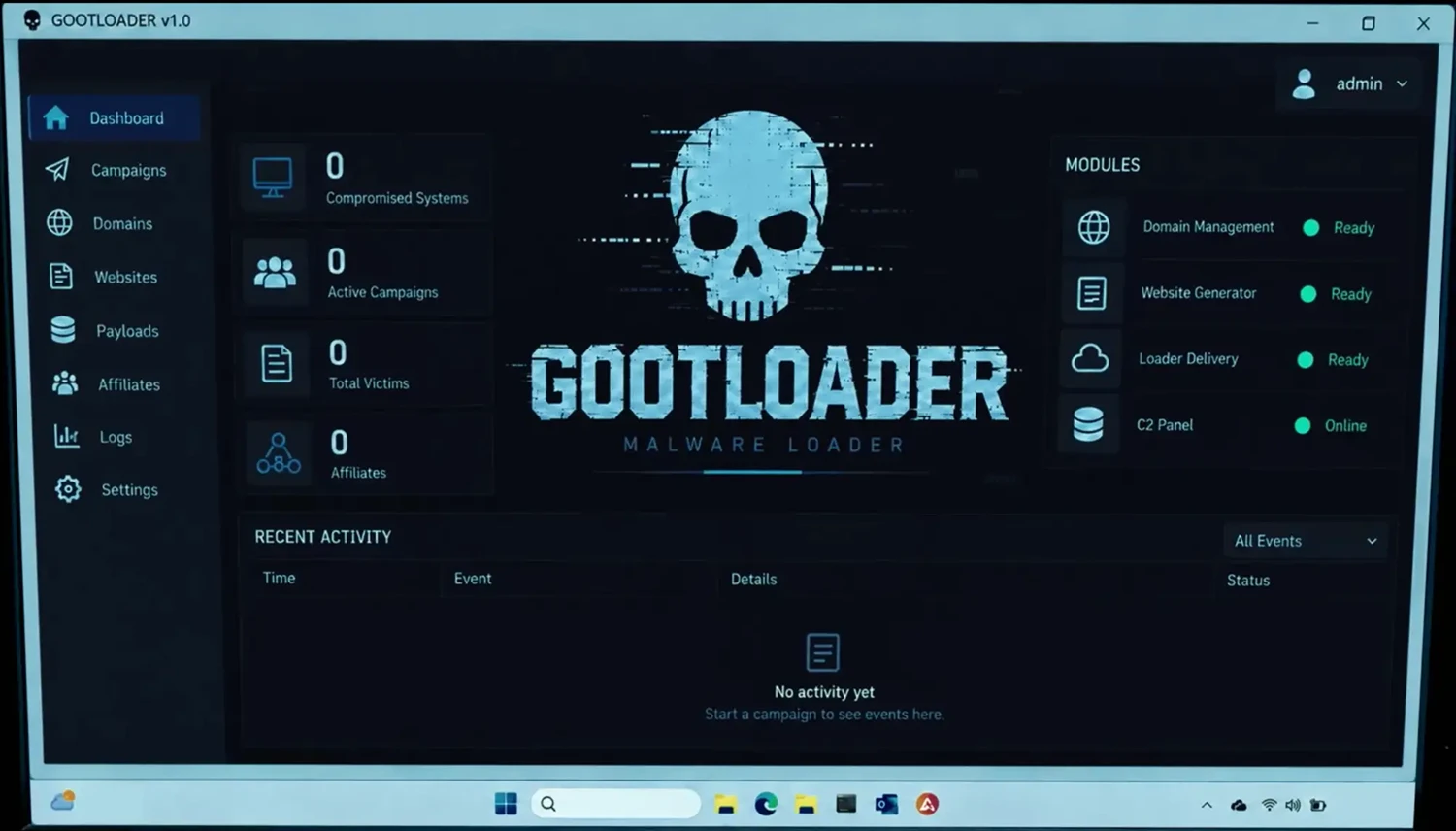 Europol Disrupts Major Malware Networks, Seizes 6.4 Million Stolen Credentials In a significant operation, Europol and law enforcement from nine countries dismantled the infrastructure behind three major malware families: Gootloader, CastleRAT, and StealC. This operation, part of Operation Endgame, resulted in the seizure of 235 servers and 257 domains. Authorities identified approximately 6.4…
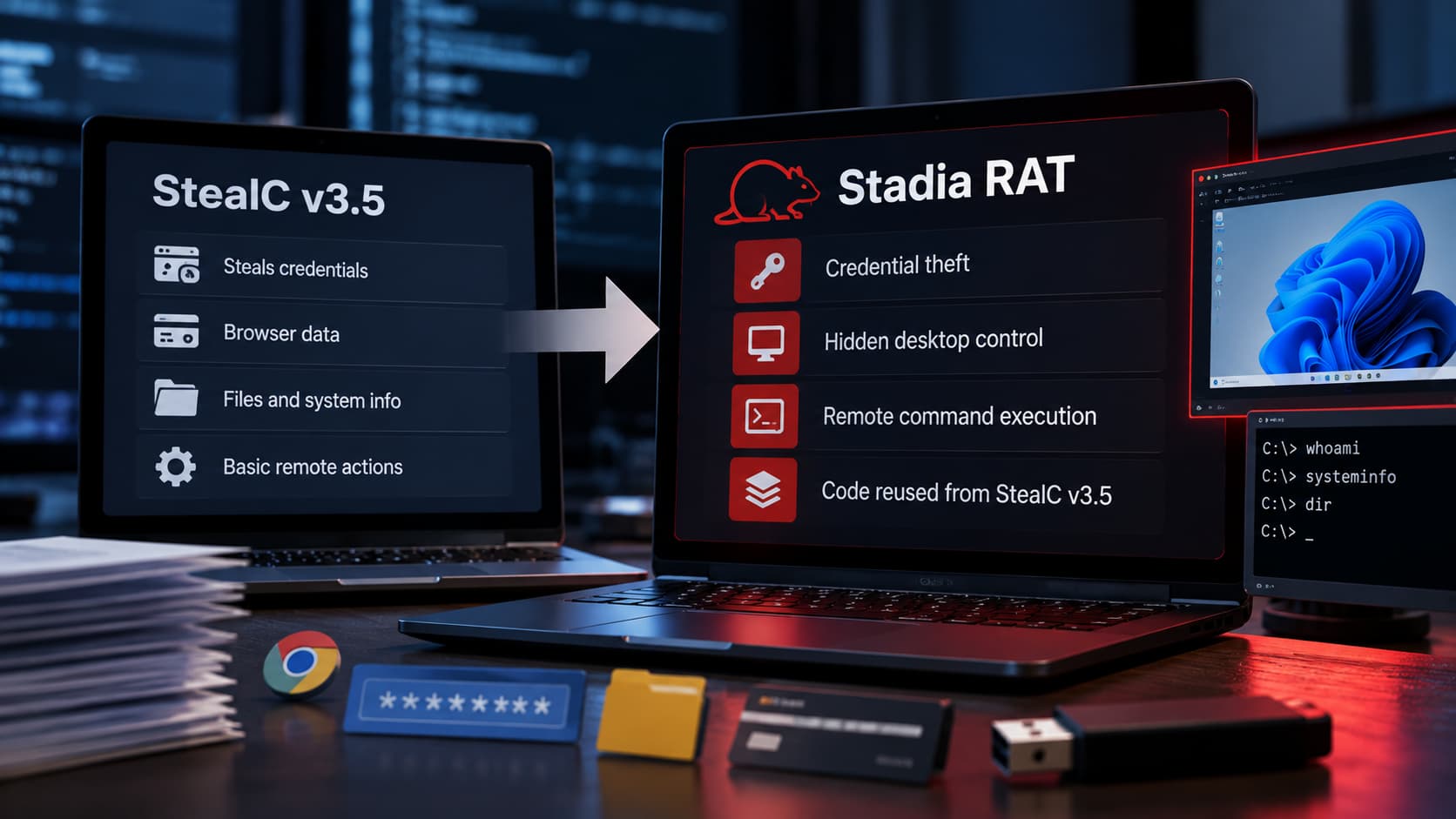 StealC Malware Revives as Stadia RAT with Enhanced Capabilities Following the takedown of StealC by Europol in June 2026, its seller has re-emerged with a new remote access trojan (RAT) named Stadia. This RAT combines credential theft with remote desktop control and command execution, utilizing code from StealC v3.5. Stadia was advertised on October 16, 2026, and features six…