 Turkiyetoday
 Russian Tu-22M3 Bomber Crashes in Siberia During Training Flight
Article Content

- •The Tu-22M3 bomber crashed during a training flight in Siberia on June 15, 2026.
- •All four crew members ejected safely and were hospitalized with non-life-threatening injuries.
- •Preliminary investigations suggest engine failure as the likely cause of the crash.
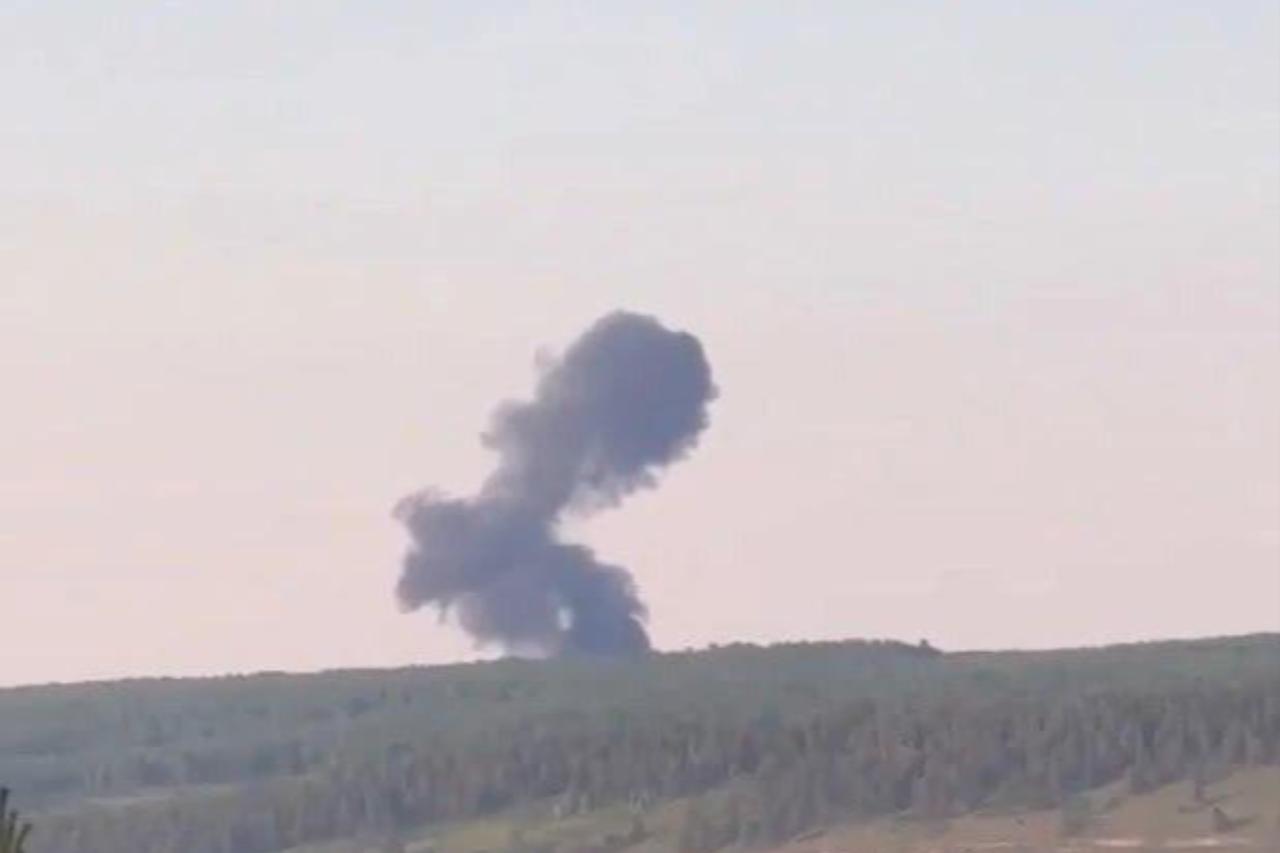
A Russian Tu-22M3 strategic bomber crashed on June 15, 2026, during a training flight in Siberia's Irkutsk region. The Russian Defense Ministry confirmed that all four crew members ejected safely and sustained non-life-threatening injuries. The crash occurred near the village of Kamenka, producing a large column of smoke as the aircraft nosedived into a wooded area. Preliminary reports suggest engine failure as the likely cause of the incident. Fire crews are currently working to extinguish the blaze at the crash site. Eyewitnesses reported seeing the crew parachute to safety before the crash. The aircraft was not carrying any weapons at the time. This incident follows a previous crash of a Russian An-26 military transport plane in Crimea, which resulted in 29 fatalities due to a technical malfunction.
Ask AI about this cluster
Answers cite the sources they use
Timeline
More articles in this cluster (4)
Following this threat?
Track Bulletin Of The Atomic Scientists in your own feed — you're alerted when they show up in new reporting, leak sites or exploitation.
Free account · no card needed
Continue Reading
 Critical WSO2 API Manager Vulnerability Under Active Exploitation A critical vulnerability (CVE-2026-5430) in WSO2 API Manager is being actively exploited, allowing unauthenticated attackers to forge admin tokens via JWT authentication bypass. This flaw, which has a CVSS score of 10.0, affects multiple WSO2 products including API Manager, Universal Gateway, Traffic Manager, and API…
  Critical Linux Kernel Vulnerability CVE-2025-39682 Under Active Exploitation A critical vulnerability (CVE-2025-39682) in the Linux kernel allows remote code execution through mishandling of zero-length TLS records. This flaw affects kTLS-enabled hosts running vulnerable kernel versions, exposing them to attackers without authentication. CISA added this vulnerability to its Known Exploited…