 Daijiworld
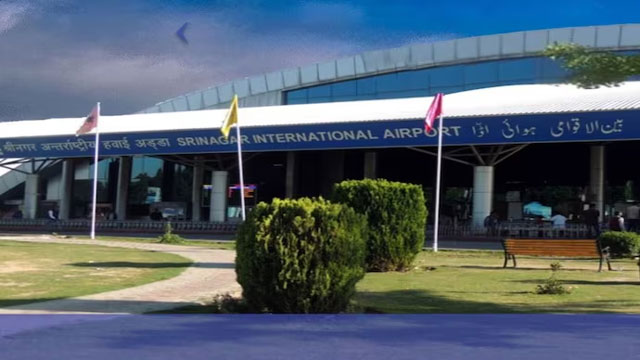
Two US Nationals Detained at Srinagar Airport for Banned Satellite Phone
Ask AI about this cluster
Analyzing cluster data...
Referenced clusters:
Something went wrong. Please try again.
Cluster AI
Ask questions about this threat cluster with AI-powered analysis.
Get Researcher $29.99/moArticle Content
On April 19, 2026, two US nationals, Jeffrey Scott Prather and Haldar Koushik, were detained at Srinagar International Airport after a prohibited satellite phone was discovered in their luggage during routine security checks. The device, which is restricted under Indian law, raised immediate security concerns, prompting swift action by airport security and local police. Both individuals are currently being questioned to determine the purpose of their visit and the intended use of the satellite phone. This incident follows a pattern of similar detentions involving foreign nationals carrying unauthorized communication devices in India. Authorities emphasized that possession of such devices without prior government approval is illegal, particularly in sensitive regions like Jammu and Kashmir. The Directorate General of Civil Aviation had previously issued guidelines to inform travelers about these restrictions. The investigation is ongoing, and further details are expected as authorities assess any potential security implications.
Key Points: • Two US nationals detained for carrying a prohibited satellite phone at Srinagar Airport. • Possession of satellite phones without government approval is illegal in India, especially in sensitive areas. • The incident reflects ongoing enforcement of strict communication regulations in the region.