 Dw
Ukraine Advances Production of Interceptors Against Russian Jet-Powered Drones
Article Content

- •Ukraine aims for mass production of interceptors against Shahed drones by end of 2026.
- •Jet-powered drones from Russia fly at speeds over 600 km/h, complicating interception efforts.
- •Development focuses on both electric and turbojet-powered interceptors, with the latter being more complex.
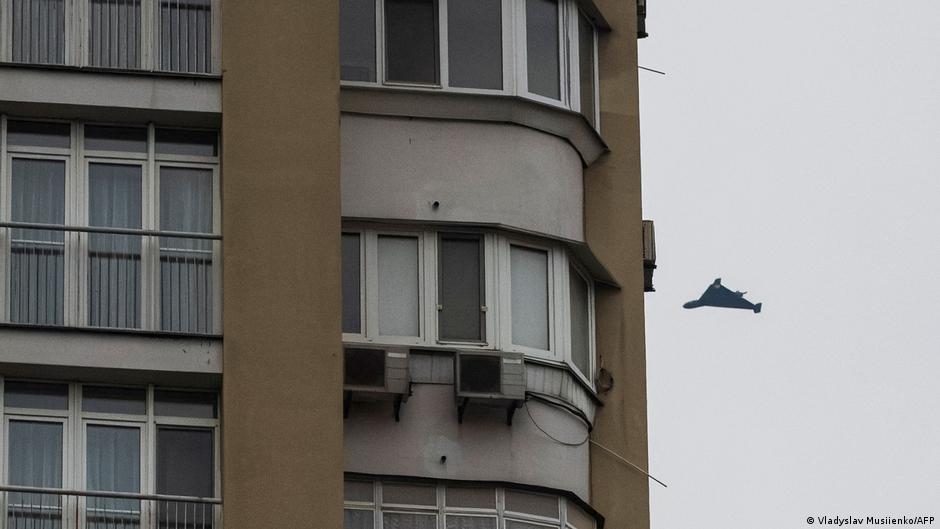
Ukraine is set to achieve mass production of countermeasures against Russian jet-powered Shahed drones by the end of 2026, according to Serhii Sternenko, a volunteer and former advisor to the defense minister. These drones, which can fly at speeds exceeding 600 km/h, pose significant challenges to Ukraine's air defenses. The country is currently developing various interceptor types, including electric-powered models and those with turbojet engines. While electric interceptors are easier to produce, they have speed limitations, making turbojet-powered interceptors more promising despite their complexity and cost. The government has taken steps to simplify turbojet engine production, but significant advancements are still needed. Ukraine is also testing inexpensive interceptor drones to find cost-effective solutions for its air defense needs.
Ask AI about this cluster
Answers cite the sources they use
Timeline
More articles in this cluster (2)
Common questions
What types of interceptors is Ukraine developing?
How fast do the Russian drones fly?
What challenges does Ukraine face in interceptor production?
Continue Reading
 Critical RCE Vulnerability in Prefab UI Disclosed A critical remote code execution vulnerability, CVE-2026-120338, was disclosed on November 1, 2026, affecting Prefab UI's Generative UI sandbox. The flaw allows attackers to execute arbitrary Python code by exploiting Deno's permissions, enabling file read/write access on the host server. This vulnerability affects…
 China-Linked Hackers Exploit PHP2Shell Vulnerabilities to Breach U.S. Government Systems On October 21, 2026, the PHP development team released patches for two critical vulnerabilities in PHP, known as PHP2Shell (CVE-2026-109618 and CVE-2026-109619), which allow unauthenticated remote code execution. These vulnerabilities were actively exploited by a suspected China-linked threat actor who compromised 25…