Windows Defender is a technology platform tracked across 27 threat clusters and 35 intelligence report mentions on ThreatCluster. First observed November 3, 2025; most recent activity July 22, 2026.
A critical vulnerability in FortiWeb Web Application Firewall (WAF) has been actively exploited, allowing attackers to gain full administrative access to affected systems. Organizations using FortiWeb are at risk of…
In July 2026, Adobe and Microsoft released significant security updates addressing numerous vulnerabilities. Adobe issued 12 bulletins for 88 unique CVEs, with a focus on ColdFusion and Commerce patches, including a…
In June 2026, Microsoft released its largest Patch Tuesday update, addressing 206 vulnerabilities, including critical flaws in Windows kernel and BitLocker. Notable CVEs include a zero-day in Visual Studio Code that…
On June 9, 2026, Microsoft released its largest Patch Tuesday update, addressing 206 vulnerabilities, including three zero-day flaws. Among the critical vulnerabilities, 32 were rated as critical, with 28 classified as…
Security researcher Nightmare-Eclipse has disclosed two critical zero-day vulnerabilities affecting Windows 11 and Windows Server 2022/2025. The first, YellowKey, allows attackers to bypass BitLocker encryption,…
A newly discovered Windows zero-day exploit, named MiniPlasma, allows attackers to gain SYSTEM-level privileges on fully patched Windows systems. The exploit targets the cldflt.sys Cloud Filter driver, specifically the…
The anonymous security researcher known as Nightmare-Eclipse has been banned from both GitHub and GitLab due to the release of multiple unpatched Windows vulnerabilities. GitHub terminated the account on May 25, 2026,…
BeyondTrust has issued a warning regarding a critical remote code execution (RCE) vulnerability in its Remote Support and Privileged Remote Access software. The flaw, tracked as CVE-2026-1731, allows unauthenticated…
A security researcher, known as Chaotic Eclipse, has publicly released exploit code for a zero-day vulnerability in Windows, dubbed BlueHammer, allowing local privilege escalation to SYSTEM or elevated administrator…
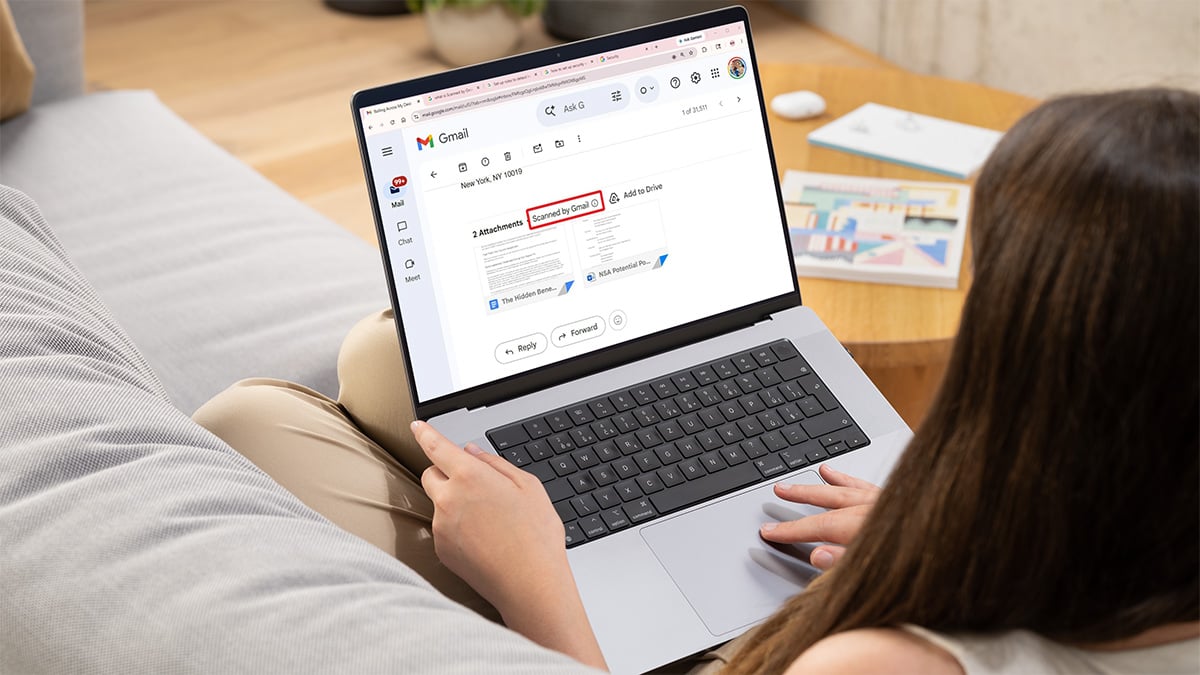
A security flaw has been identified in Google's systems that allows malicious files to bypass Gmail's security measures. Research by Ben Ilkashi from Pentera Labs revealed that files flagged as dangerous can be uploaded…