OpenAI Codex is a tool tracked across 17 threat clusters and 25 intelligence report mentions on ThreatCluster. First observed January 10, 2026; most recent activity July 12, 2026.
OpenAI Codex is an AI code-generation model used to power coding assistants and automate software construction. Recent reporting emphasizes that AI-generated code can harbor critical security flaws and that many developers do not thoroughly review these outputs, creating cybersecurity risks in software development and deployment.
A study by security startup Tenzai revealed that popular vibe coding platforms produce insecure code, including critical vulnerabilities, when responding to common programming prompts. The assessment, conducted in…
On June 9, 2026, Microsoft released its largest Patch Tuesday update, addressing 206 vulnerabilities, including three zero-day flaws. Among the critical vulnerabilities, 32 were rated as critical, with 28 classified as…
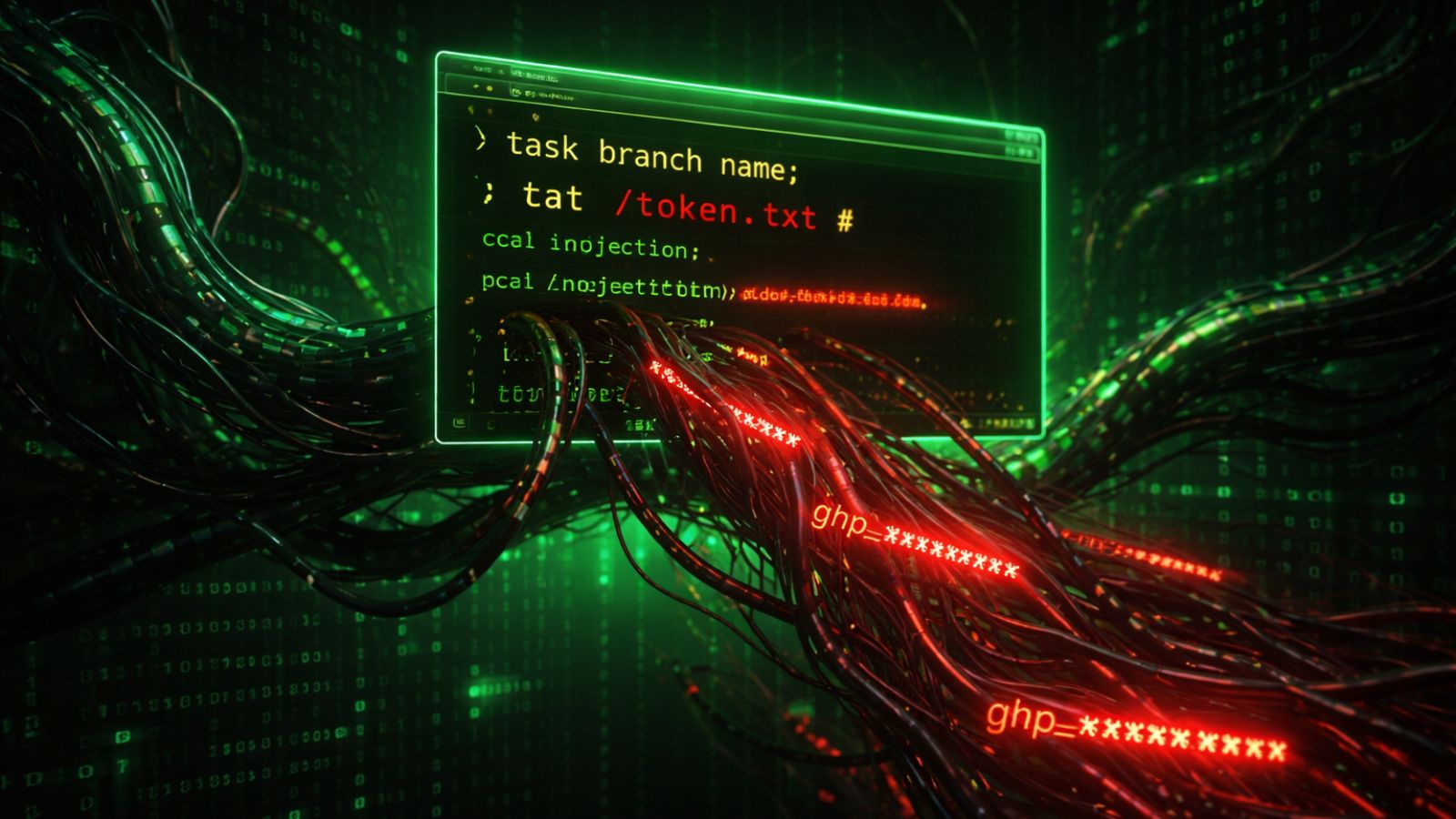
A critical command injection vulnerability in OpenAI's Codex has been discovered, allowing attackers to steal GitHub OAuth tokens from developers. The flaw originated from improper input validation during the branch…
Between March and May 2026, Zenity researchers observed three distinct campaigns where attackers hijacked exposed AI endpoints from Ollama and LiteLLM for offensive operations. The attackers exploited inference…
A report by OX Security has identified a critical vulnerability in the Model Context Protocol (MCP) developed by Anthropic, potentially exposing over 200,000 AI servers to remote code execution. The flaw lies in the…
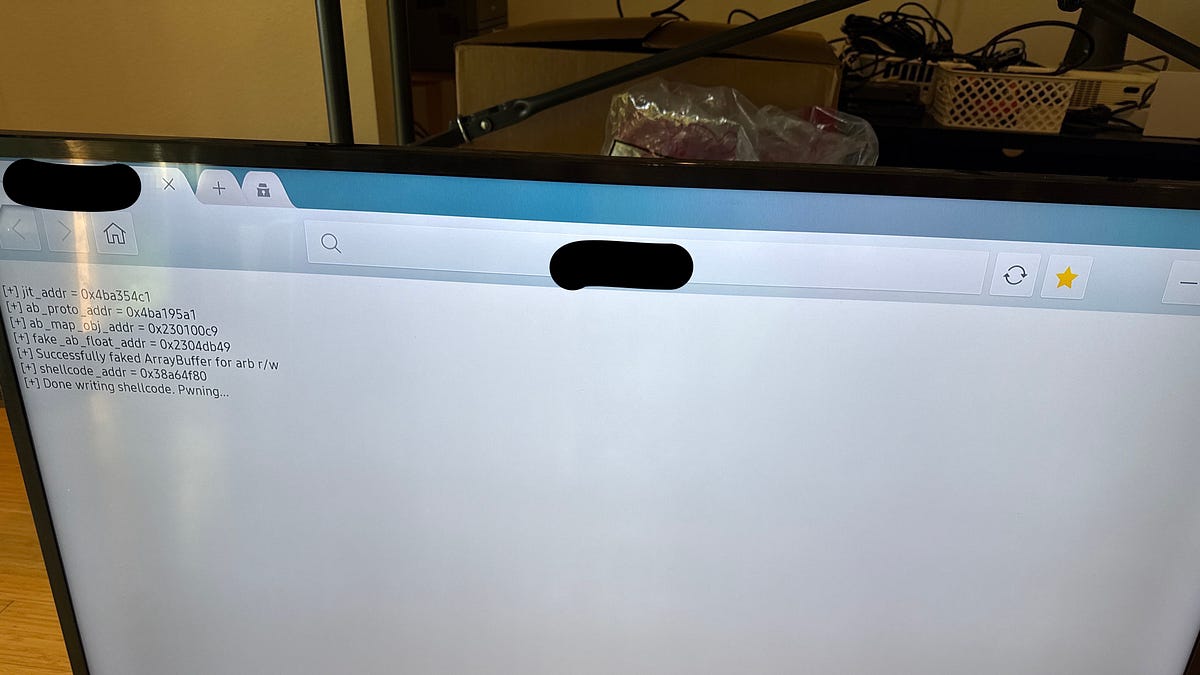
During the Pwn2Own Berlin 2026 event, held from May 14 to 16, security researchers exploited numerous zero-day vulnerabilities, earning over $900,000 in cash prizes. On the first day, 24 unique vulnerabilities were…
A malicious npm package named 'codexui-android' has been discovered, which masquerades as a legitimate remote UI for OpenAI Codex. This tool, downloaded approximately 27,000 times weekly, has been silently exfiltrating…
A new technique called SkillCloak allows malicious AI agent skills to bypass existing static skill scanners over 90% of the time. These skills can steal credentials, exfiltrate source code, and install backdoors, posing…
Researchers from the ASSET Research Group demonstrated a new attack method called 'Ghostcommit' that hides malicious instructions within PNG images to bypass AI code reviewers. The attack exploits a significant gap in…
A low-skilled attacker exploited AI agents Claude and Codex to breach 14 companies. Researchers from OALABS analyzed over 1,000 sessions from a compromised server, revealing how the attacker bypassed security measures…