New research from Commonwealth Bank 's Behavioural Science Centre of Excellence has found a sizeable gap between confidence and skill: nearly nine in 10 Australians believe they could identify an AI-generated deepfake scam, yet only 42% actually did when put to the test.
The findings highlight a persistent gap between confidence and ability as artificial intelligence makes scams increasingly convincing – and increasingly hard to detect before money changes hands.
Related CBA research suggests the core problem remains human rather than technical: almost one in three scam victims suspected something was wrong but proceeded with the payment regardless , often under pressure or urgency rather than a lack of information.
The deception happens long before the payment
Every scam ultimately depends on a single human decision: trusting a message, believing a story, and approving a payment.
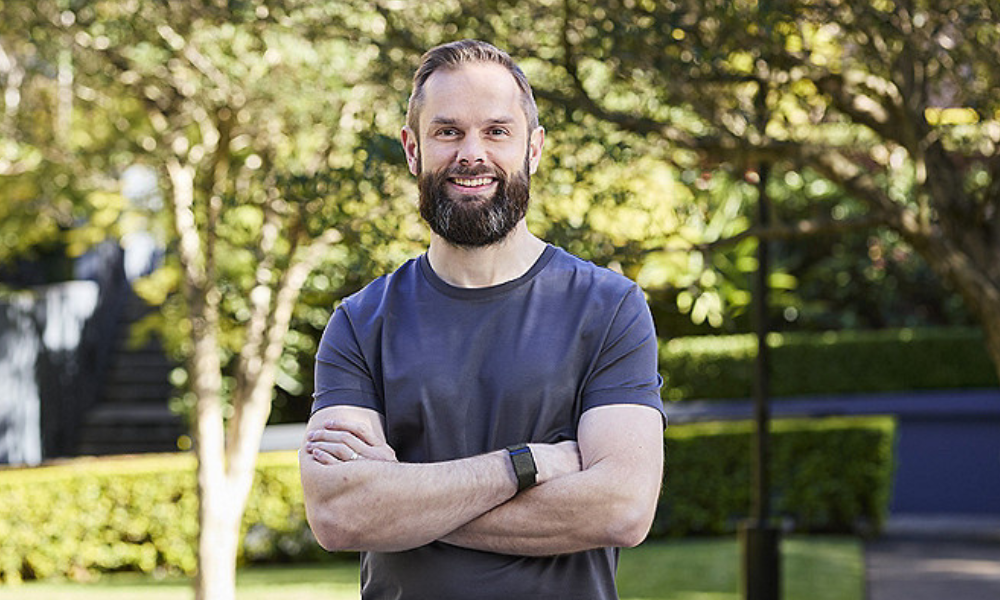
James Roberts (pictured), Commonwealth Bank 's executive general manager, fraud and scams, said the payment itself is often the final step in a much longer process.
"By the time you're making the payment, the deception has already been successful," Roberts said in a media release .
That's pushing scam prevention efforts further upstream, well beyond the moment money is transferred. Criminals typically build credibility first, impersonating trusted brands and public figures through convincing digital content on platforms ranging from social media and messaging apps to telecommunications networks. The stakes are especially high around property transactions: payment redirection scams , where fraudsters impersonate a conveyancer or agent to divert deposit or settlement funds, cost Australians $166.8 million in 2025. As controls tighten in one channel, criminal activity tends to migrate elsewhere – Roberts noted a shift away from SMS scam campaigns toward iMessage and RCS as those controls improve.
Banks are fighting AI with AI
The same deepfake and real-time face-swapping technology fuelling more convincing scams is also being turned against them.
Commonwealth Bank's "Pollen Team" runs a swarm of AI agents that engage scammers directly in automated conversations, having conducted more than 350,000 interactions since launching last year. The intelligence gathered feeds back into broader fraud detection, including the bank's Fraud Detection Agent, which reviews millions of transactions daily and has helped update most of the bank's roughly 3,000 fraud rules in recent months.
Ecosystem collaboration and what it means for brokers
Beyond individual institutions, initiatives such as the Scam-Safe Accord and the Fraud Reporting Exchange system are aimed at improving coordination and faster intervention across the wider payments ecosystem. Data-sharing networks like BioCatch Trust are also extending visibility to the recipient side of a transaction before funds are released, allowing banks to score social engineering and account takeover risk pre-payment.
Yet even the most sophisticated systems can't remove the human decision at the centre of every scam. Well-informed clients can still be vulnerable during high-value transactions such as deposit transfers or settlement payments, where urgency and unfamiliar processes heighten the risk of manipulation – echoing the very confidence gap highlighted at the outset.
The full story
This article is one source in a clustered incident — the cluster page carries the summary, timeline and every other outlet covering it.
