 Back Huffingtonpost
Every Item The Government Has Said To Stock Up On After Wes Streeting's Warning
Defence Secretary Wes Streeting has warned that households and businesses need to start considering how they’d cope in a natural disaster, during state- terrorism, or in the event of cyber-attacks.
He added that cyber attacks, such as attempts on the PHP vulnerabilities that recently took hundreds of important sites offline, will happen “more and more” often.
Speaking on BBC’s Question Time , Streeting added that the UK is facing a greater threat “than we have certainly for most, if not all, of my lifetime”, though he stressed that the government doesn’t have a “specific thing we’ve got in mind”, and that it’s best to be “alert, not alarmed”.
The government has launched a “Be Ready” campaign , which suggests “simple and effective steps you can take to be ready for emergencies and the disruption they cause”.
Among the advice is a checklist of items to have on hand should something go wrong.
What is on the government’s Be Ready checklist?
These items should be enough to last you for three days . The government said this ought to be enough time for the people most in need to be attended to.
And remember – you might already have these items at .
With that said, the checklist includes:
Water: three litres per day, per person. Given the three-day advice, that’s nine litres per person .
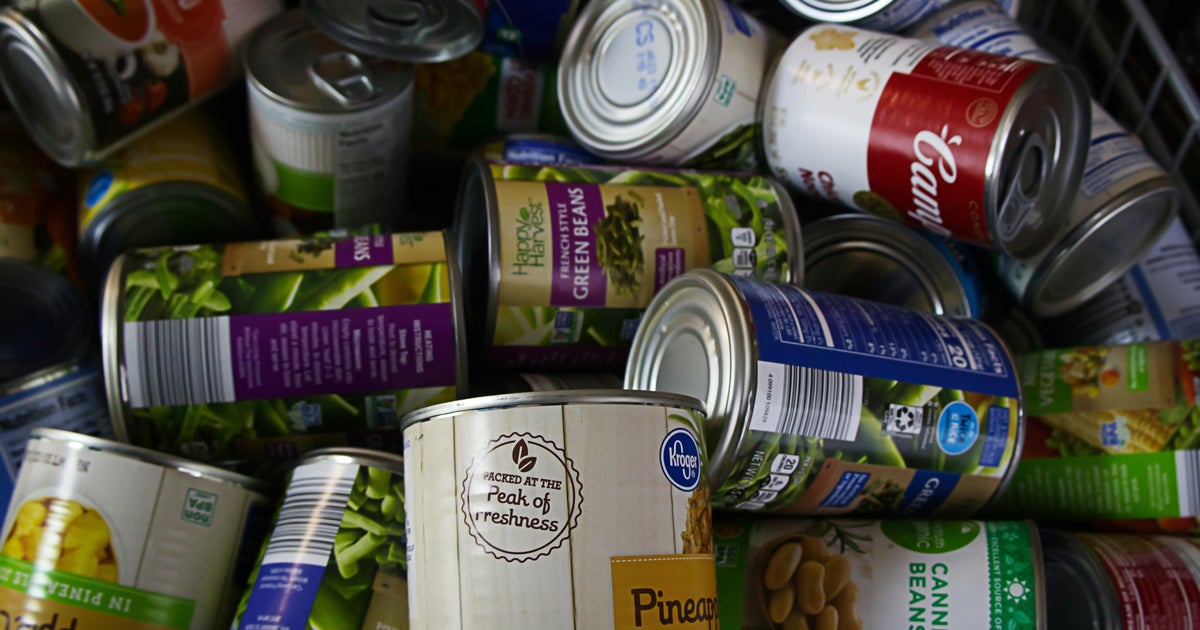
Non-perishable food: we’ve written before at HuffPost UK what a dietitian thinks we should keep in stock. The government stresses we should store non-perishable food like dried fruits, nuts, tinned meat, fish, and vegetables; both recommended buying items you already eat and like.
Hand sanitiser (this can help to keep you clean if water suplies are low).
“Bathroom products”, including toilet roll, pads, and tampons.
A torch and spare batteries – torches are safer than candles in case of a power cut.
Blankets, sleeping bags, and warm clothing, as households can become cold quickly without heat.
A battery or wind-up FM radio: write down the frequencies of your local stations if you need to, as this can keep you up to date with important information.
A charged power bank, to keep your phone and other devices charged.
Cash, in case ATMs get disrupted. “The amount of cash you should keep depends on your family’s specific needs for essentials,” the government said.
Printed copies of IDs and important documents, like passports, birth certificates, and instructions for crucial medical equipment.
Written phone numbers for people you might need to in an emergency, including those you want to check up on.
A first aid kit, which includes “waterproof plasters, bandages, a thermometer, antiseptic, eyewash solution, sterile dressings and gloves, medical tape for dressings, and tweezers”.
Essential medication – request repeat prescriptions at least five working days before you need it, the government said, so there’s no lag.
Ready-made baby formula, if needed – remember, the government said, that you might not be able to boil water for other kinds of baby formula.
Nappies and baby wipes, if needed.
Pet water and pet food, if needed.
The checklist ended: “If you have any extra items, you could consider donating these to others who might not have the means to prepare their own households.
“You may be able to help someone by photocopying or printing important documents for them”.
To read the government’s Be Ready campaign in full, go to their site through this link .
The full story
This article is one source in a clustered incident — the cluster page carries the summary, timeline and every other outlet covering it.
