 Back En.Defence-Ua
Germany's Quantum Systems Opens Tokyo Subsidiary, Partners With Mitsubishi Chemical ...
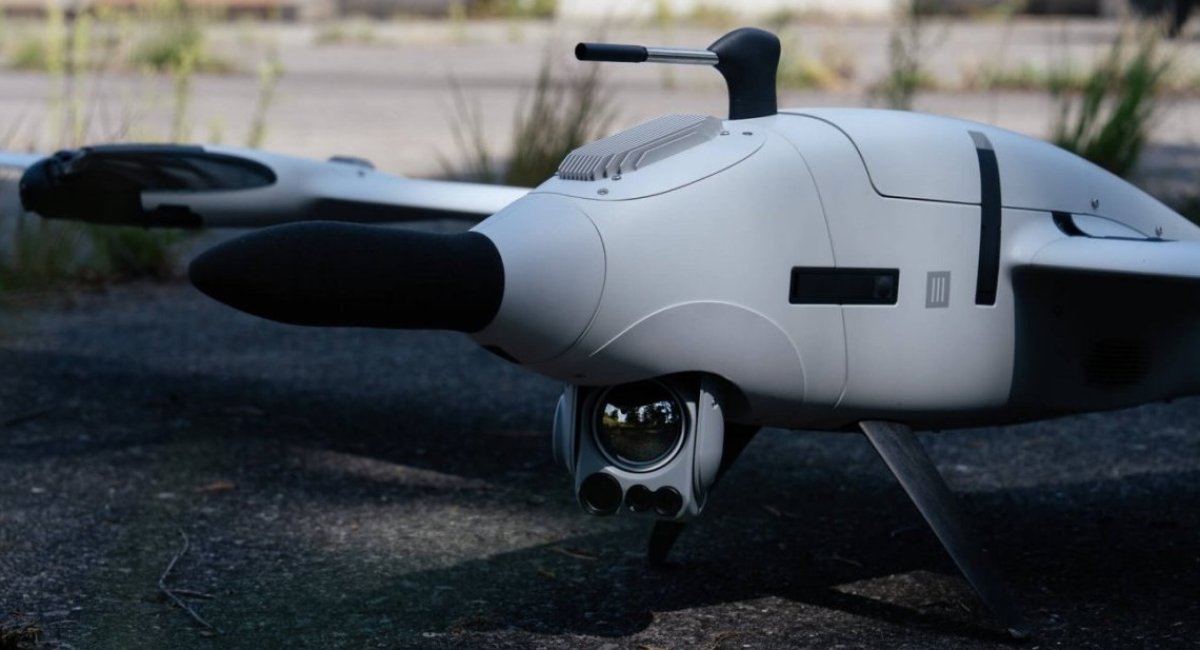
German unmanned systems manufacturer Quantum Systems created its own subsidiary Quantum Systems Japan G.K. in Japan, opening office in Tokyo. Company also signed agreements on deepened cooperation with Japanese enterprises Mitsubishi Chemical and Panasonic. Cooperation is aimed at combining Japanese manufacturing experience with Quantum Systems competencies in development and production of unmanned systems.
This decision was preceded by changes in regional security situation and increased demand for adaptive unmanned technologies that can be rapidly deployed, serviced and adapted to new challenges. Industrial capabilities of country play separate role, enabling Japanese to be independent from foreign components and supply chains, and also opening long-term access to defense technologies.
At same time Quantum Systems co-CEO Sven Kruk commenting on cooperation with Japanese defense industry noted Ukraine’s experience showed that against backdrop of army personnel shortages, technological advantage becomes decisive factor in modern confrontations. Tandem with Japanese industrialists who have powerful manufacturing potential should ensure success in such cooperation.
Overall Quantum Systems will work on scaling various types of unmanned systems capable of performing tasks in air, on land and water based on MOSAIC UXS software, which provides coordination and control of various unmanned systems.
Defense Express adds Quantum Systems cooperation looks particularly promising given partnership with Mitsubishi Chemical, which among other things specializes in carbon fiber production — material widely demanded in drone industry due to its strength and low weight. This in turn affects several factors.
First, thanks to mass reduction greater drone maneuverability can be guaranteed. Second, heavier drone has less reserve for additional payload. Meaning weight savings on aircraft itself open broader possibilities for integrating into it, for example, battery with larger capacity that would provide longer autonomy.
In turn Panasonic is leading global electronics manufacturer, including components used in unmanned systems. Company produces its own sensors, controllers, batteries and power units. Panasonic also broadly specializes in high-resolution cameras, which is remarkably important for further data analysis in situational awareness systems, without which modern confrontation is currently impossible to imagine.
Thus through cooperation with German Quantum Systems Japanese defense industry can entirely gain combat-proven, including in war in Ukraine, advanced drone technologies, which they can subsequently replicate at their own facilities.
Moreover given that country’s defense ministry has requested record defense spending for fiscal year, specifically for building up unmanned technologies, it is entirely likely newly created systems may end up in Ukraine for testing in real combat conditions.
This will certainly be facilitated by Quantum Systems’ presence in Ukraine itself, which not only supplies unmanned technologies but has already created two joint ventures with Ukrainian companies WIY Drones and Tencore within Build with Ukraine program.
The full story
This article is one source in a clustered incident — the cluster page carries the summary, timeline and every other outlet covering it.
