 Back Techafricanews
 Ghana Strengthens Cyber Resilience for Critical Infrastructure
The government will continue to support the Cyber Security Authority’s regulatory and enforcement mandate, strengthen collaboration with sector ministries and regulators, develop a skilled national cybersecurity workforce and update cybersecurity policies and regulations to address emerging threats, including those involving artificial intelligence.
Ghana is strengthening its focus on critical infrastructure cyber resilience, with the government calling for greater protection of the operational technology (OT) systems that support essential services.
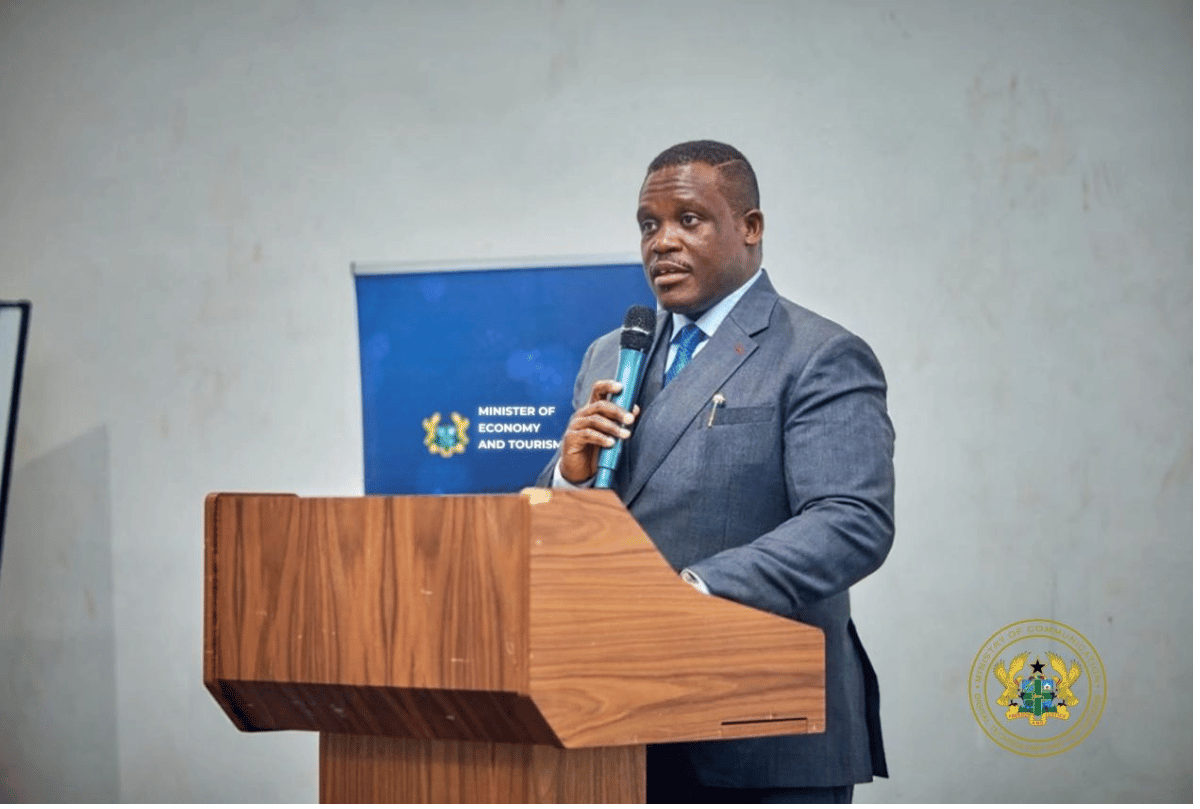
Speaking at the Cyber Security Authority’s workshop in Accra, themed “Critical Information Infrastructure Resilience Beyond I.T.: Securing Ghana’s Operational Technology Ecosystem,” Minister for Communication, Digital Technology and Innovations Samuel Nartey George said the security of Ghana’s digital systems is increasingly linked to the security of critical services such as power, water, transport, healthcare and financial services.
The minister noted that while cybersecurity efforts have traditionally focused on IT systems, including databases, websites and enterprise networks, essential services also depend on operational technologies such as industrial control systems, SCADA platforms, sensors and field devices.
He warned that attacks on OT systems could have consequences beyond data loss, potentially disrupting essential services and putting lives at risk. The government is therefore adopting a cyber-resilience approach focused on helping critical institutions anticipate threats, withstand attacks, quickly restore essential services and adapt to emerging vulnerabilities.
George also stressed that compliance with Ghana’s cybersecurity requirements is mandatory. The country currently has 13 designated Critical Information Infrastructure (CII) sectors and 200 institutions identified as CII Owners, making effective implementation and accountability important to the regulatory framework.
The government will continue to support the Cyber Security Authority’s regulatory and enforcement mandate, strengthen collaboration with sector ministries and regulators, develop a skilled national cybersecurity workforce and update cybersecurity policies and regulations to address emerging threats, including those involving artificial intelligence.
The minister also told Board Chairs and Chief Executives that cyber resilience should not be treated as the responsibility of technical teams alone, highlighting the need for leadership-level involvement in protecting Ghana’s critical infrastructure.
EP.07 | S2 | What Will It Take to Get 900 Million+ Africans Online? GSMA’s… Caroline Mbugua, HSC, Senior Director of Public Policy and Communications, GSMA
MTN’s Ebenezer Asante on LEO Satellites, Inclusion, and Building a Borderless African Digital Economy Ebenezer Asante, Senior Vice President, Southern and East Africa, Ghana and Sudan Regions, MTN Group
Beyond the Single Wholesale Network: How Africa Is Rethinking Infrastructure Sharing
How Did the Billion Users Become Collateral Damage in the AI Race?
The full story
This article is one source in a clustered incident — the cluster page carries the summary, timeline and every other outlet covering it.
