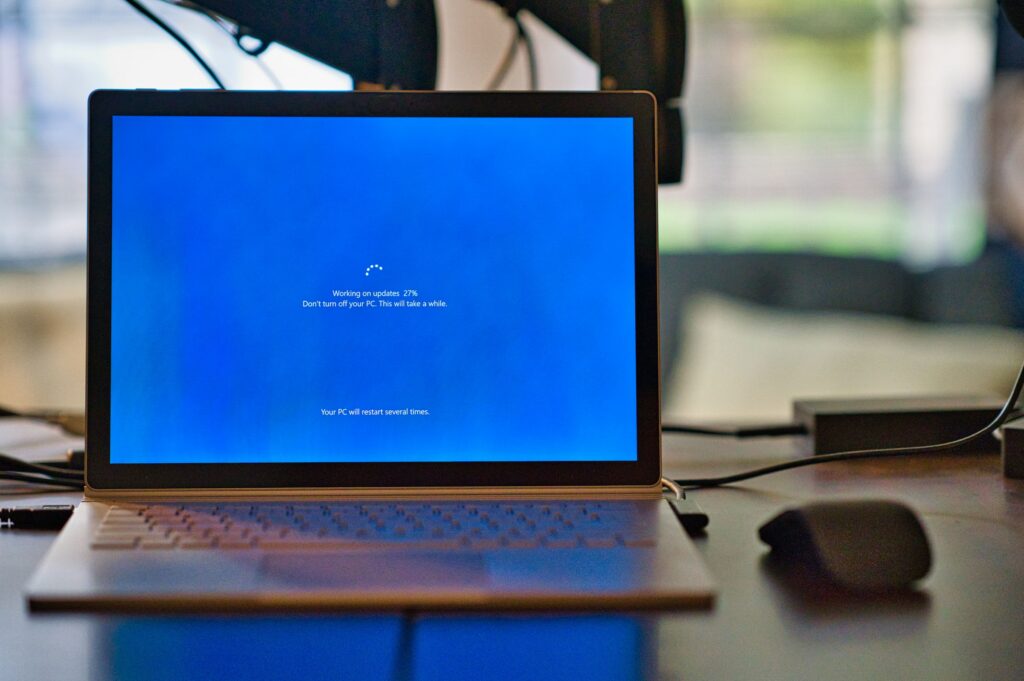
Microsoft fixes 208 vulnerabilities while introducing Windows 11 performance, security, and user experience enhancements.
Microsoft has released the June 2026 Patch Tuesday updates for Windows 11 versions 25H2, 24H2, and 26H1. This month, the company has fixed over 200 vulnerabilities in Windows, Office, Microsoft Edge, Azure, Exchange Server, Hyper-V, Microsoft Defender, and other components.
On the quality and experiences update front, this update improves Secure Boot by adding more reliable device-targeting data to Windows quality updates. It also fixes a bug that could result in Stop errors HYPERVISOR_ERROR (0x20001) and KMODE_EXCEPTION_NOT_HANDLED (0x1E) after installing KB5089573 on some devices. This problem occurred during system restarts, virtual machine operations, or when running certain gaming apps.
As pointed out by the Zero Day Initiative , Microsoft has fixed 208 new security flaws this month. Specifically, 38 of them are deemed “Critical,” and the rest are rated as “Important” in severity. Let’s take a look at the most important vulnerabilities Microsoft fixed this month:
You can find below the full list of security patches Microsoft released this month:
For Windows 11 versions 25H2 and 24H2, the KB5094126 patch brings several new features, including Shared audio, multi-app camera support, as well as enhancements for magnifier, Windows and performance. The Shared Audio feature lets two users with Bluetooth LE audio accessories listen to the same audio together. Users can enable this feature through the Quick Settings panel from the taskbar.
Microsoft has introduced a new “Low Latency Profile” to speed up app launches and core shell experiences, including the Start , , and Action Center. This update also lets multiple Windows apps access the users’ camera stream at the same time.
Organizations looking to deploy this month’s patches should conduct thorough testing before deploying them widely on production systems. That said, applying the patches widely shouldn’t be delayed longer than necessary, as hackers start to work out how to weaponize newly reported vulnerabilities.
A best practice is to make sure you have backed up systems before applying updates. Every month, users experience issues with Windows updates that lead to systems not booting, application and hardware compatibility issues, or even data loss in extreme cases.
There are backup tools built into Windows and Windows Server that you can use to restore systems in the event a patch causes a problem. The backup features in Windows can be used to restore an entire system or files and folders on a granular basis.
Rabia has a master's degree in Software Engineering and she has years of experience writing professionally Microsoft products and other technologies. Rabia has also written for OnMSFT.com as well as Windows Report. She is always up to date on t...
The full story
This article is one source in a clustered incident — the cluster page carries the summary, timeline and every other outlet covering it.
