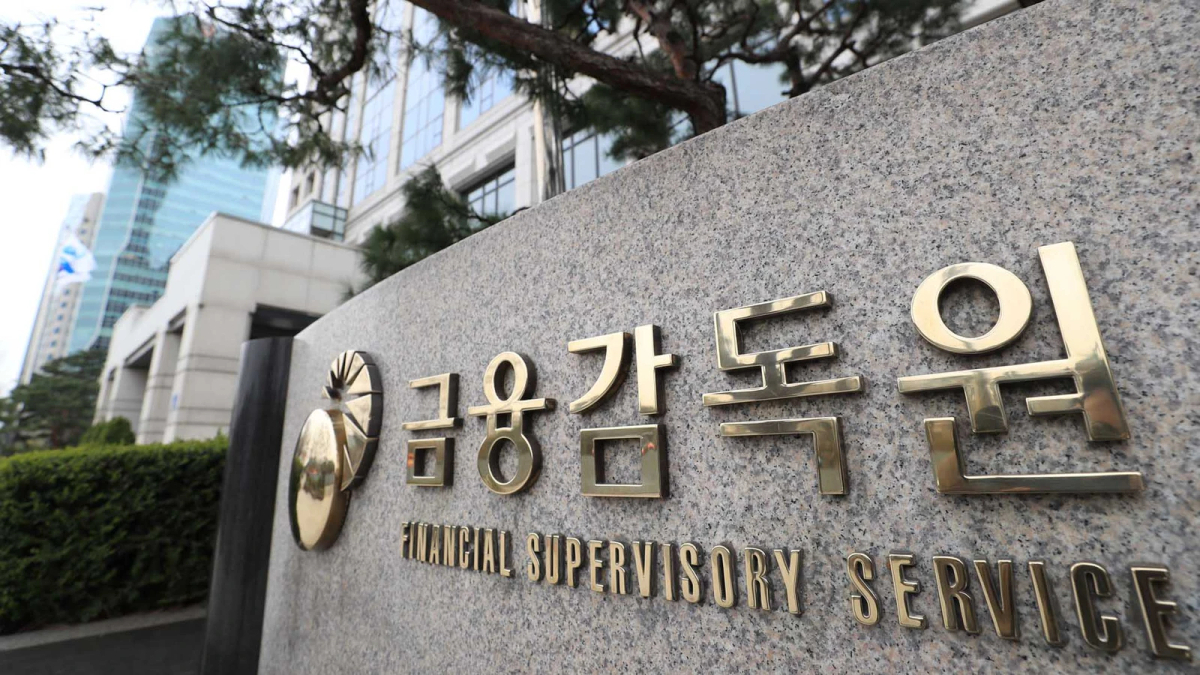
South Korea's Financial Supervisory Service (FSS) launched an on-site inspection of Yegaram Savings Bank on October 13 following a breach that exposed approximately 50,000 customer records. Inspectors are comprehensively reviewing the cause of the incident, how the information was leaked, the scale of the damage, and the adequacy of the bank's post-incident response, with plans to determine whether to escalate the matter to a formal examination based on the findings.
According to financial industry sources, FSS inspection personnel visited Yegaram Savings Bank on the day to verify the route through which external hackers gained unauthorized access to the customer information server, the scope of personal data compromised, and whether the bank's response after detecting the incident was appropriate.
Yegaram Savings Bank detected signs on September 30 that an unidentified hacker had accessed the server storing customer personal information. The breach is estimated to have exposed approximately 50,000 records containing sensitive data including names, dates of birth, information, as well as resident registration numbers, account numbers, addresses, and employer names. The exact scale of the leak remains under investigation.
The adequacy of the bank's initial response has also come under scrutiny. In its first customer notice issued on October 2, Yegaram Savings Bank listed only names, dates of birth, and information as compromised data. The notice was later updated after additional leaked items—including resident registration numbers and account numbers—were confirmed. The bank stated that it immediately suspended related services upon detecting the incident, blocked external IP access, completed emergency security measures, and strengthened security monitoring to prevent further damage.
Hacked Financial Firms Admit 'Inadequate' Security Patching in Self-Assessments
The on-site inspection comes amid revelations that Yegaram Savings Bank itself acknowledged security vulnerabilities in the IT security self-assessment checklist distributed by financial authorities following a series of hacking incidents across the financial sector.
According to the "Financial Sector IT Security Self-Assessment Checklist for Incident Preparedness" response documents obtained by the office of National Assembly Political Affairs Committee member Kim Hyung-yeon and disclosed to KBS, both Hyundai Capital and Yegaram Savings Bank answered "inadequate" to questions whether the latest security patches had been applied.
The four financial firms that submitted the documents are KB Kookmin Bank, Welcome Savings Bank, Yegaram Savings Bank, and Hyundai Capital—all confirmed victims of hacking. The checklist was distributed by financial authorities immediately after the series of hacks, requiring financial companies to self-evaluate 12 items as either "adequate" or "inadequate."
Welcome Savings Bank and KB Kookmin Bank marked authentication-related items as "inadequate," including whether information could be accessed via URL alone without logging in. KB Kookmin Bank acknowledged that while customer-facing services are verified, controls over employee-facing services, external non-financial services, and individual APIs were insufficient, pledging to strengthen verification logic through a comprehensive review.
Remediation Timelines Stretch to 'End of Year'—"Hackers Don't Wait"
The concern lies in the timelines set for remediation after firms acknowledged deficiencies. Hyundai Capital listed December 31 of year as the target date for addressing security patch items, explaining that server replacement requires large-scale investment and upgrades are being rolled out sequentially starting this year.
Yegaram Savings Bank rated three items as "inadequate"—security patch application, management of end-of-support equipment, and others—and set March 31 of year as the remediation date. The bank reported that it only deleted malicious files, shut down an externally exposed app notification management page, and removed a security solution sample directory on September 30, the day it detected the incident.
Welcome Savings Bank had marked all 12 items as "adequate" in the checklist submitted to the FSS, but in a revised checklist submitted to the lawmaker's office based on the incident date, it marked authentication items as "inadequate." The bank reported that it faced indiscriminate attacks leveraging AI agents and that certain web pages were accessible without login, prompting strengthened authentication procedures. Since the bank submitted the "adequate" rating to the FSS after completing post-incident remediation, critics note that official records alone do not reflect the state of systems at the time of the incident.
Lawmaker Kim Hyung-yeon stated, "Last year's Lotte Card hacking incident was caused by missing security patches, yet a year later, the hacked companies have again written 'patch inadequate' in their own assessments." He added, "Hackers don't wait. If remediation timelines stretch to year or the year after, the financial sector needs to move faster."
FSS Weighs Formal Examination Based on Inspection Results
In the current on-site inspection, the FSS is expected to verify the cause of the incident at Yegaram Savings Bank, the leak pathway, and the scale of damage, while also examining why leaked data categories were belatedly added to the bank's public disclosures.
Authorities plan to decide whether to convert the inspection into a formal examination depending on findings. If escalated, the examination could determine whether sanctions are warranted against the financial firm's internal controls and overall security framework.
The incident carries significant implications as it once again exposes security vulnerabilities across South Korea's financial sector. Multiple financial firms acknowledged inadequate security patching in self-assessment checklists distributed by authorities immediately after the hacks, and remediation timelines were set months to over a year out—drawing criticism that security investment in the financial industry remains sluggish.
Particularly concerning is that the scope of leaked personal data expanded from the initial disclosure to include resident registration numbers and account numbers, which could undermine trust in incident response practices. From a financial consumer protection standpoint, attention is focused on what level of sanctions the FSS's inspection may ultimately lead to.
The full story
This article is one source in a clustered incident — the cluster page carries the summary, timeline and every other outlet covering it.
