 Back Bgr
 The Danish National Registry Could Use A Lesson In How To Create A Strong Password
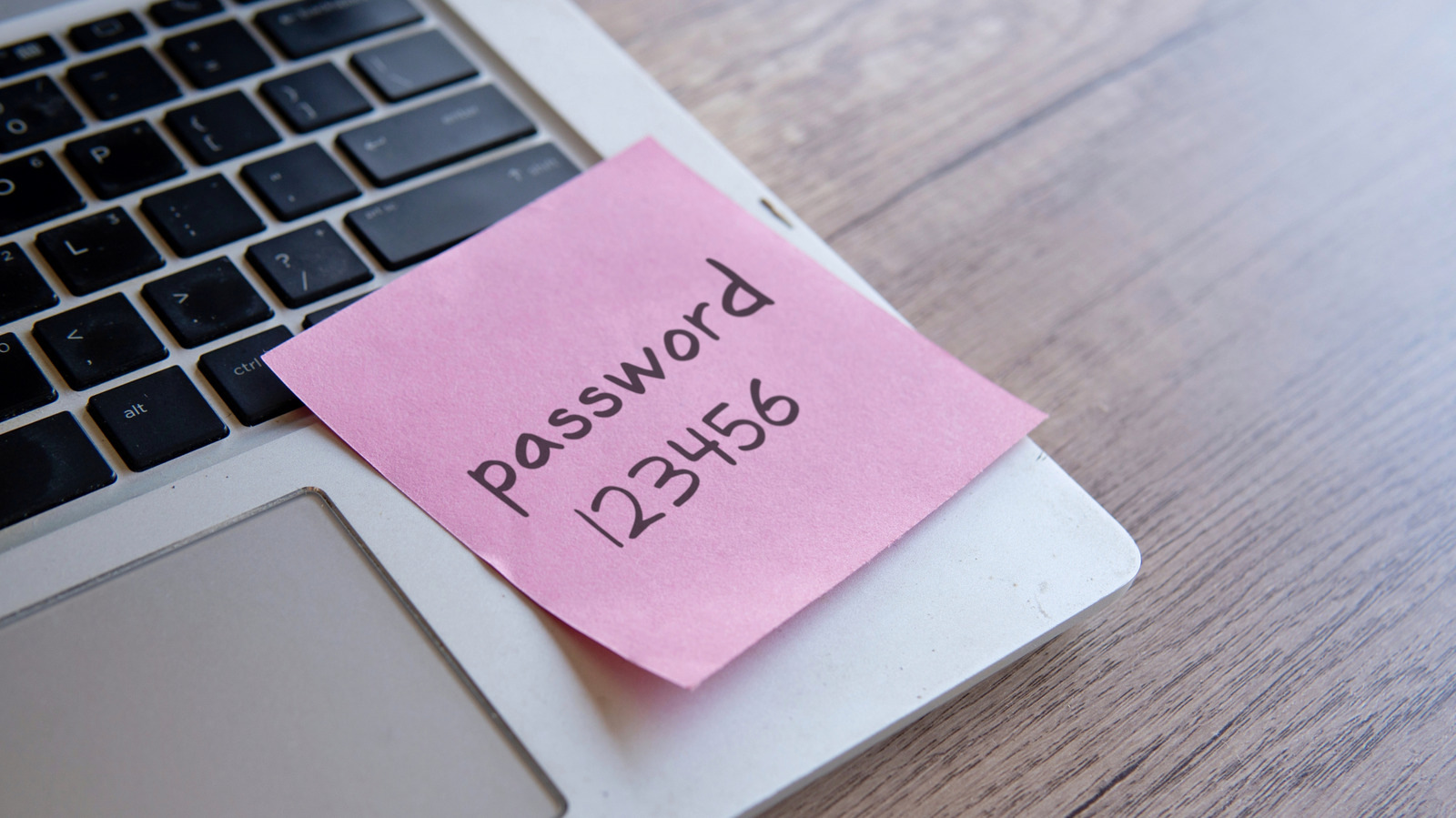
It sounds like a punchline from a bad cyber-thriller movie, but using sequential letters or numbers in passwords are still causing real-world security disasters. Case in point: A hacker recently claimed to have breached the Danish national registry by, shockingly, just typing in "123456" to get in. The attacker used no fancy, complex algorithms or other means for hacking, according to Politiken (via The Register ). Danish outlet TV2 says the hacker used the government's system undetected for 10 days, starting on September 10. The invasion was discovered on October 2, only 12 days after the database was last used.
The fact that a critical government database holding sensitive information 11 million citizens relied on the most notoriously terrible password of all time is almost beyond belief. The incident is equal parts ridiculous and shocking, and it also serves as a reminder of the importance of having good passwords.
The breach highlights you can have all of the firewalls, regularly-updated software, threat monitoring, and encryption software you want, but if you leave the front door wide open, all of that high-tech defense crumbles. And when an institution tasked with protecting data for its nation fails, it should force all of us to take a look at how we're handling our own online security habits, whether we should start to use longer passwords or avoid repeating them across different accounts. The registry incident is both a local embarrassment and a wake up call that proves human laziness is always going to be the biggest vulnerability in any network. And understanding that is the perfect starting point for learning how to create a strong password and keep your own data safe.
The basics for creating a strong, reliable password
Making sure you don't suffer a data breach of your own means taking a different approach to creating a password than the Danish registry did. Long-standing advice for creating impossibly strong passwords recommends using a lengthy and unique mix of both uppercase and lowercase letters, numbers, and special symbols. While it's a good defense, it can be tough to remember on your own unless you also have a password manager to help you out. That could potentially be why the Danes kept such a simple password.
To make things a bit easier, newer security guidelines now recommend using long, memorable phrases for your password. Stringing together a few random words creates a long password that's easy for you to remember and incredibly difficult (if not impossible) for hackers to brute-force their way through. A phrase like "purple zombie riding a mountain bicycle" offers drastically better protection for your sensitive files and network-connected devices than a shorter chaotic string like "P@s$w0rd1" ever could. That's because length is a far tougher enemy to hackers and their password-cracking software.
Again, having a dedicated password manager is an underrated security tool that anyone can use, and they're available for every budget. They can store all of your passwords and, best of all, create incredibly long and complex strings, for new and old logins alike. By setting up two-factor authentication wherever possible and pairing that with strong passwords backed by secure password managers , you can outsmart the kinds of basic vulnerabilities that recently humiliated the Danish registry.
The full story
This article is one source in a clustered incident — the cluster page carries the summary, timeline and every other outlet covering it.
