 Back Themedialine
 Trump Endorses Netanyahu as Israeli Rivals Reject Foreign Intervention
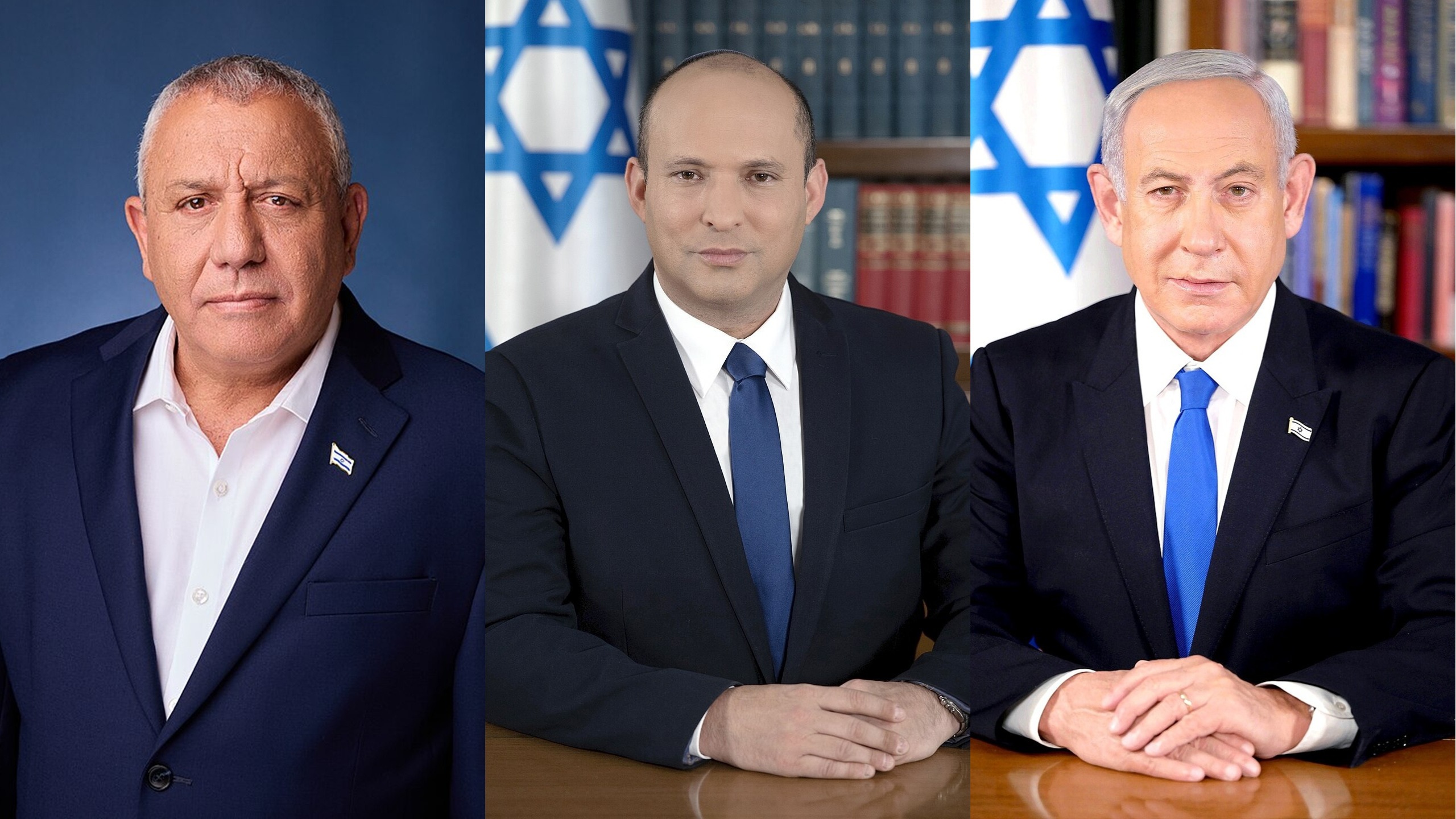
US President Donald Trump endorsed Prime Minister Benjamin Netanyahu for reelection Sunday, October 18, nine days before Israel’s parliamentary election, prompting opposition leaders Gadi Eisenkot and Naftali Bennett to insist that Israeli voters alone would determine the country’s government.
President Trump announced his “Complete and Total Endorsement” on Truth Social, praising Netanyahu’s leadership during Israel’s confrontation with Iran and describing him as a trusted American partner.
“If Israel has the wrong Leader, which would be anyone other than Bibi,” President Trump warned, the United States could face additional military responsibilities against Iran.
Netanyahu thanked the US president for his support, declaring, “Together we will complete the mission!”
Speaking at an election conference at Tel Aviv University, Eisenkot, chairman of the centrist Yashar party, rejected outside involvement.
“Israel’s citizens are the only ones who will decide who the prime minister will be,” he said.
Eisenkot subsequently told Channel 12 that he had sought to prevent the endorsement. “I requested that there be no intervention in Israel’s internal election. But I’ll deal with it.”
He also questioned whether renewed military action against Iran was necessary before the election and repeated his demand for a state commission investigating the October 7, 2023, Hamas attack.
Former Prime Minister Naftali Bennett, leader of the B’Yachad party, said President Trump’s support for Netanyahu would not prevent cooperation with another Israeli government.
“Ultimately, in international politics, every leader works with the leader who is elected,” Bennett said.
Bennett called for cooperation between Israel’s Zionist left and right and insisted he remained a candidate for prime minister.
Separately, National Security Minister Itamar Ben Gvir claimed Netanyahu had privately promised European officials to exclude his Otzma Yehudit party from the government. Likud rejected the accusation, calling it a political fabrication.
President Trump’s intervention departs from the traditional diplomatic convention that national leaders avoid openly supporting candidates in allied democracies. Such endorsements are not automatically unlawful, but they raise questions foreign interference and national sovereignty.
In 2019, President Trump publicly supported Netanyahu’s leadership, although the White House explicitly denied endorsing him during that year’s election campaign.
The US president has subsequently backed foreign political leaders more openly, including Hungary’s Viktor Orbán and Argentina’s Javier Milei.
Recent Israeli polls place Eisenkot’s party ahead of Likud, although neither major political bloc appears assured of the 61 Knesset seats needed for a governing majority. Under Israel’s parliamentary system, coalition negotiations, rather than the largest party’s vote total alone, determine who becomes prime minister.
The full story
This article is one source in a clustered incident — the cluster page carries the summary, timeline and every other outlet covering it.
