 Back Al-Monitor
US sanctions law firm based in Panama, Greece over Iran shipping ties - AL
The Treasury Department accused Karnakis and Karnakis of registering shipping companies linked to Iran's so-called shadow fleet.
WASHINGTON — The Treasury Department sanctioned a law firm based in Panama and Greece on Wednesday that it said has set up shell companies supporting illicit Iranian shipping.
For years, Karnakis and Karnakis has registered shipping companies that own vessels in the so-called shadow fleet responsible for shipping hundreds of millions of dollars’ worth of Iranian steel, petroleum and petrochemicals and other goods, the department said in a news release. Among the companies it set up was an alleged front for the Al-Qatirji Company, a Syrian firm responsible for selling millions of barrels of Iranian oil for the benefit of the Islamic Revolutionary Guard Corps' expeditionary Quds Force and Yemen's Houthi rebels.
The firm is founded and owned by dual Panamanian-Greek nationals Sofianos Karnakis Kosmas and Konstantinos Karnakis Kosmas. Its website says it specializes in maritime and commercial law.
On Wednesday, the Treasury Department also sanctioned five people tied to Karnakis and Karnakis as well as a ship management company that operates seven Panama-flagged cargo vessels. It also designated shipping agents based in Singapore and the United Arab Emirates it said were supporting Iran’s shadow fleet that has transported millions of barrels of crude oil, petroleum and petrochemical products to buyers, primarily in South and East Asia.
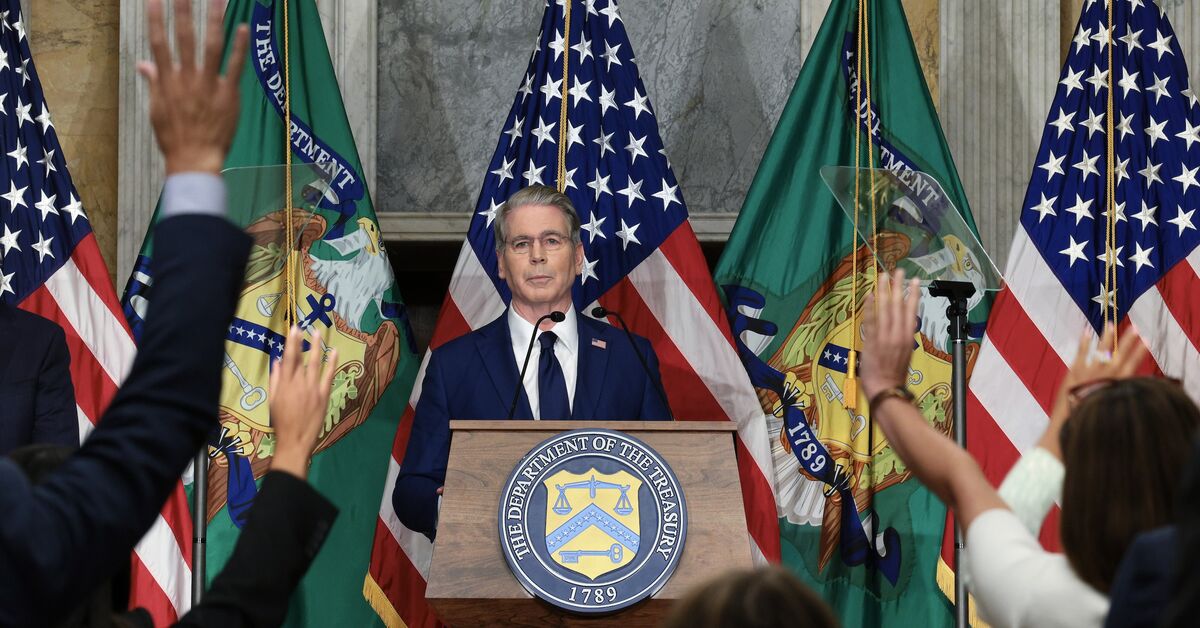
“Whether you are conducting illegal oil transfers at sea or sitting in the corner office of a law firm, if you are supporting the Iranian regime, we will find you and sanction you,” Treasury Secretary Scott Bessent said in a statement.
The latest sanctions come as Washington and Tehran continue indirect talks mediated by Qatar and Pakistan to end the nearly eight-month war and reopen the Strait of Hormuz. A preliminary deal reached in June paved the way for negotiations on Iran’s nuclear program but collapsed as Iran resumed strikes amid disagreements over the control of the strategic waterway.
Iranian officials have said the Strait of Hormuz will remain closed until the Trump administration meets several conditions, which include lifting the US naval blockade and releasing frozen assets. In an op-ed for the Financial Times published Wednesday, Iranian Foreign Minister Abbas Araghchi said his country favors a diplomatic settlement.
“While Iran is firmly committed to seeking a dignified peaceful resolution to the conflict, we are also fully prepared to defend ourselves,” Argahchi said.
With talks stalled, the Trump administration has tried to squeeze Iran’s oil-dependent economy with a naval blockade and new sanctions. In late August, Bessent told reporters that Iran’s economy could be “weeks or months” away from collapse.
Since launching Operation Economic Outcast in August, the Treasury Department has targeted Iran-linked financial institutions in Russia, the United Arab Emirates, Iran and Turkey.
This developing story has been updated since initial publication.
The full story
This article is one source in a clustered incident — the cluster page carries the summary, timeline and every other outlet covering it.
