 Back Lbc
Warning issued over shortage of blood pressure and cancer drugs amid Iran war
Pharmacies have warned over potential shortages of blood pressure and cancer drugs as the Iran war continues to put pressure on global supply chains.
Listen to this article
The Independent Pharmacies Association (IPA), a body representing 5,000 pharmacies in England and Wales, is warning that supplies of various critical medicines are running low.
It comes as the Middle East conflict and the blockade on the Strait of Hormuz continue to cause supply chain issues, with trade routes choked off and fuel costs soaring.
Britain relies on imported medicines, with nearly three-quarters of its supplies coming from overseas.
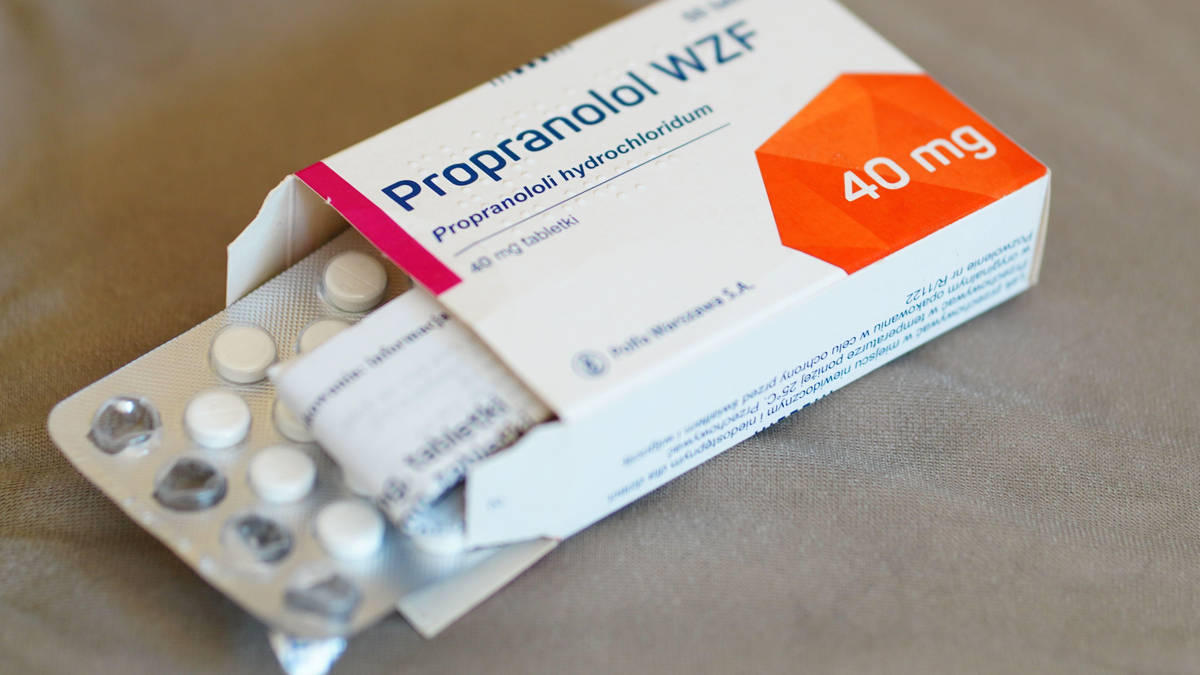
Drugs currently on official shortage lists include blood pressure medicine Propranolol, along with painkillers for cancers and cholesterol medicines.
IPA boss Dr Leyla Hannbeck told The Telegraph: “Medicine shortages are not improving, and with winter approaching, it is vital that the Government takes this issue seriously before the situation deteriorates further.
“The conflict in Iran and uncertainty over shipping routes through the Strait of Hormuz have added to concerns medicine supply chains.
“Pharmacies across the UK are already struggling to access medicines their patients desperately need, while rising prices are putting them under further financial pressure. Too often, pharmacies are left having to source medicines at a loss, placing even greater strain on already stretched businesses.”
Speaking to LBC back in April, the head of NHS England said he was "really worried" vital medical supplies due to the Iran war's continued pressure on global trade.
Sir Jim Mackey told LBC's Nick Ferrari: "We are really worried this.
"We've already had a couple of supply shocks in the last 12, 18 months or so of key supplies."
He added that while the NHS has enough of some supplies to last weeks or even years, others could run out in a matter of days if there was a global supply chain shock.
Asked what supplies were at risk, he said: “Well, everything, honestly – everything’s at risk.”
He added that “the supply chain is very international” and “we import a lot of medicines, but it’s an international system”.
“In every area we have enough to get through a reasonable period, generally a few weeks, but because things perish, and cost money to store, and various other things go out of use, you can’t hold years and years of supply.
“So generally, depending on the product, we keep a reasonable product, some of that is held centrally.”
"It could be days for some products".
The National Pharmacy Association (NPA) said this summer a lack of medicines available for some conditions was posing a serious risk to patient safety.
In June, the Royal College of GPs (RCGP) backed calls for pharmacists to be able to make changes to prescriptions when a medicine is unavailable, and to dispense a safe alternative.
Professor Victoria Tzortziou Brown, president of the RCGP, said: “Medicine shortages can be frustrating for patients, GPs and pharmacists alike, especially when patients have to endure lots of back and forth to acquire a suitable alternative.
“At a time when GPs and pharmacists are working under significant pressures, medicine shortages only add to this.
“With appropriate safeguards in place, the college is supportive of pharmacists being able to make limited changes to prescriptions when a medicine is unavailable and a safe, clinically appropriate alternative is available within agreed prescribing guidance.
“We would also support systems that enable timely communication between pharmacists and GP practices when shortages arise, without creating unnecessary administrative burden.
“The most important thing is that patients are able to access the medication they need safely and without delay.
“More widely, it’s essential that when shortages occur, the underlying causes are quickly identified and resolved.”
The full story
This article is one source in a clustered incident — the cluster page carries the summary, timeline and every other outlet covering it.
