 Back Spectrumlocalnews
 Wisconsin advocates warn AI scams are targeting seniors
MADISON, Wis. — The Wisconsin Alliance for Retired Americans is warning seniors online scams involving artificial intelligence.
It said scammers are using the technology to impersonate trusted people and pressure victims into sending money.
The campaign, called United to Stop Online Scams, aims to educate older adults scams that can come through texts, emails or phone calls. With AI, scammers can create deepfake photos and videos or clone a person’s voice to impersonate a family member or partner who appears to need help.
Carolyn Kaiser, executive vice president of the Wisconsin Alliance for Retired Americans, said she began focusing on the issue after her own information was compromised.
“Once you get that letter saying that you’ve been hacked... you’re feeling pretty violated,” Kaiser said. “You’re wondering who really has this stuff and what are they going to do with it?”
Bill Franks, a board member with the organization, said he wants technology companies developing AI to be held accountable when the tools are used in scams.
“Where do we need to cut it off when it’s clear that people are getting scammed as a result of it?” he said. “Unless somebody like the government, for example, acts like real government and says listen, you folks need regulation.”
In Wisconsin, roughly $1.4 billion is lost each year because of online scams, according to the Consumer Federation of America.
State Sen. Kelda Roys, a Democrat representing District 26, said her office is already pushing for a rule that would put money on hold in cases where someone may have been financially scammed.
“There needs to be a cooling-off period,” Roys said. “In the case of crypto kiosks, if there is a 48-hour window or 72-hour window or weeklong window where you can actually go and get your money back, you’re much more likely to realize after the fact that you’ve been scammed.”
Roys said it will take time before AI regulations are implemented. Kaiser said people who think they have been scammed should reach out for help immediately.
“Initially, you feel ashamed,” Kaiser said. “When, really, you need to talk with someone and we need some help to support us.”
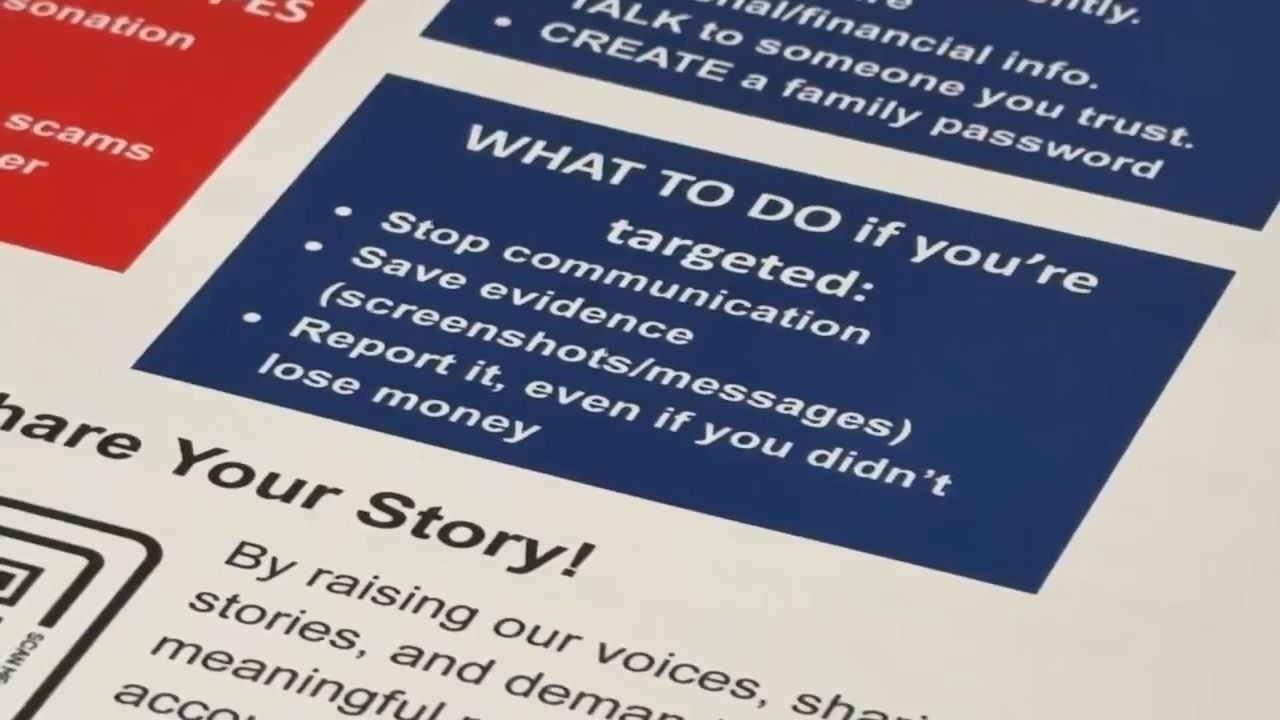
The Wisconsin Alliance for Retired Americans said anyone who believes they are being scammed should stop communicating with the person, save evidence and report it, even if no money was lost.
The full story
This article is one source in a clustered incident — the cluster page carries the summary, timeline and every other outlet covering it.
