 www.ukrinform.net
Russian Bombing of Humanitarian Center in Ukraine Kills 26
Article Content

- •Russian bombing killed at least 26 people at a humanitarian aid center in Ukraine.
- •The attack involved multiple aerial bomb strikes, including a second strike on a shelter.
- •Ukrainian officials report ongoing rescue efforts complicated by further drone attacks.
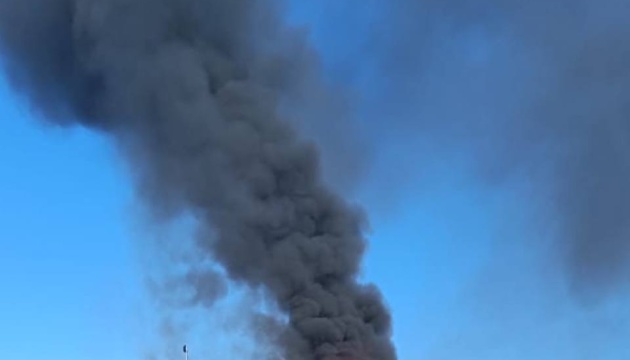
On November 2, 2026, Russian forces bombed a humanitarian aid center and a shelter in Komyshuvakha, Zaporizhzhia Oblast, resulting in at least 26 deaths and five injuries. The attack involved multiple aerial bomb strikes, including a 'double-tap' tactic where the shelter was targeted after the initial strike on the school. Ukrainian President Volodymyr Zelensky condemned the attack as 'utterly horrific' and indicative of Russia's refusal to de-escalate. Rescue operations were complicated by ongoing drone attacks in the area, with 27 individuals reported missing. The strikes occurred shortly after a limited ceasefire expired in a nearby region, raising concerns about escalating violence. The humanitarian center was known to distribute aid weekly, suggesting the strikes were deliberate. A day of mourning has been declared in the Zaporizhzhia region for the victims.
Ask AI about this cluster
Answers cite the sources they use
Timeline
More articles in this cluster (15)
Following this threat?
Track Hitcore in your own feed — you're alerted when they show up in new reporting, leak sites or exploitation.
Free account · no card needed
Common questions
What was the target of the bombing?
How many people were affected?
What is the current status of rescue operations?
Continue Reading
 Cyberattacks Target Emergency Alert Apps in Ukraine and Russia with False Nuclear Threats On November 1, 2026, Ukraine and Russia reported cyberattacks on their emergency alert apps, which sent false warnings of nuclear and chemical threats to millions of users. The Ukrainian Air Alert app alerted users to a radiation hazard and street fighting, while a message claimed that Russia's hypersonic Oreshnik…
 Critical Zero-Day Exploited in BeyondTrust Remote Support by China-linked Group A critical vulnerability in BeyondTrust Remote Support, tracked as CVE-2026-102764 with a CVSS score of 9.3, has been exploited by the China-linked espionage group Armory Castle since August 29, 2026. This flaw allows unauthenticated remote attackers to perform file operations, gaining root control and access to…