 www.brennancenter.org
 AI Deepfakes Threaten Election Integrity Ahead of Midterms
Article Content

- •AI-generated deepfakes are increasingly accessible and persuasive.
- •Misinformation campaigns have undermined public trust in elections.
- •Voters should verify information through credible sources.
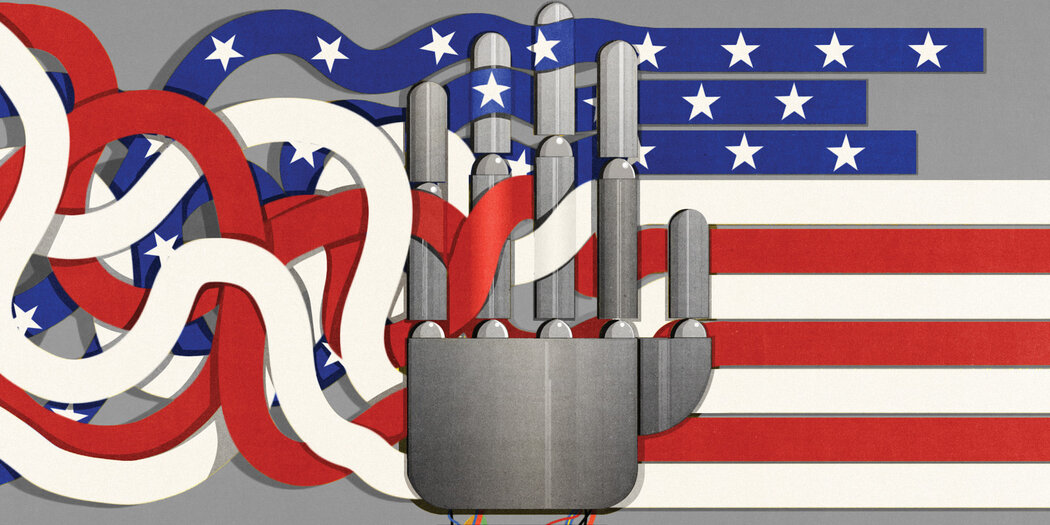
As the 2026 midterm elections approach, the rise of AI-generated deepfakes poses a significant challenge to voters' ability to discern fact from fiction. Experts warn that the accessibility of AI tools has made it easy for anyone to create convincing fake political content, undermining public trust in the electoral process. The Brennan Center reports that misinformation campaigns have proliferated, fueled by sophisticated AI capabilities. Chatbots have been tested for their effectiveness in countering election disinformation, showing some promise in correcting falsehoods despite occasional errors. The Trump administration's defunding of federal bodies responsible for combating misinformation has further exacerbated the situation. Voters are advised to verify claims through trusted news organizations and fact-checking groups to navigate this complex landscape. The potential for AI to shape political narratives and influence voter perceptions is a growing concern as the election date nears.
Ask AI about this cluster
Answers cite the sources they use
Timeline
More articles in this cluster (2)
Common questions
How can voters identify deepfakes?
What role do chatbots play in combating misinformation?
What has been done to address election misinformation?
Continue Reading
 CVE-2015-3306 Exploited in ProFTPD FTP Servers CVE-2015-3306, a vulnerability in ProFTPD 1.3.5, allows remote attackers to read and write arbitrary files using the SITE CPFR and SITE CPTO commands. This exploit can lead to unauthorized access and potential remote code execution, as the commands are executed with the privileges of the ProFTPD service. Active…
  CISA Sets Oct. 11 Deadline for Patching Flaws Exploited by Flax Typhoon The U.S. Cybersecurity and Infrastructure Security Agency (CISA) has added five vulnerabilities to its Known Exploited Vulnerabilities (KEV) catalog after they were exploited by the China-linked group Flax Typhoon. Federal agencies must patch or retire the affected software by October 11, 2026. The vulnerabilities…