 www.intruder.io
AI Pentesting Revolutionizes Vulnerability Management Amid Rising Threats
Article Content

- •AI pentesting offers continuous testing to keep pace with rapid code deployments.
- •Traditional pentesting is costly and infrequent, leaving vulnerabilities unaddressed.
- •AI-driven solutions can validate vulnerabilities at a fraction of the cost of manual tests.
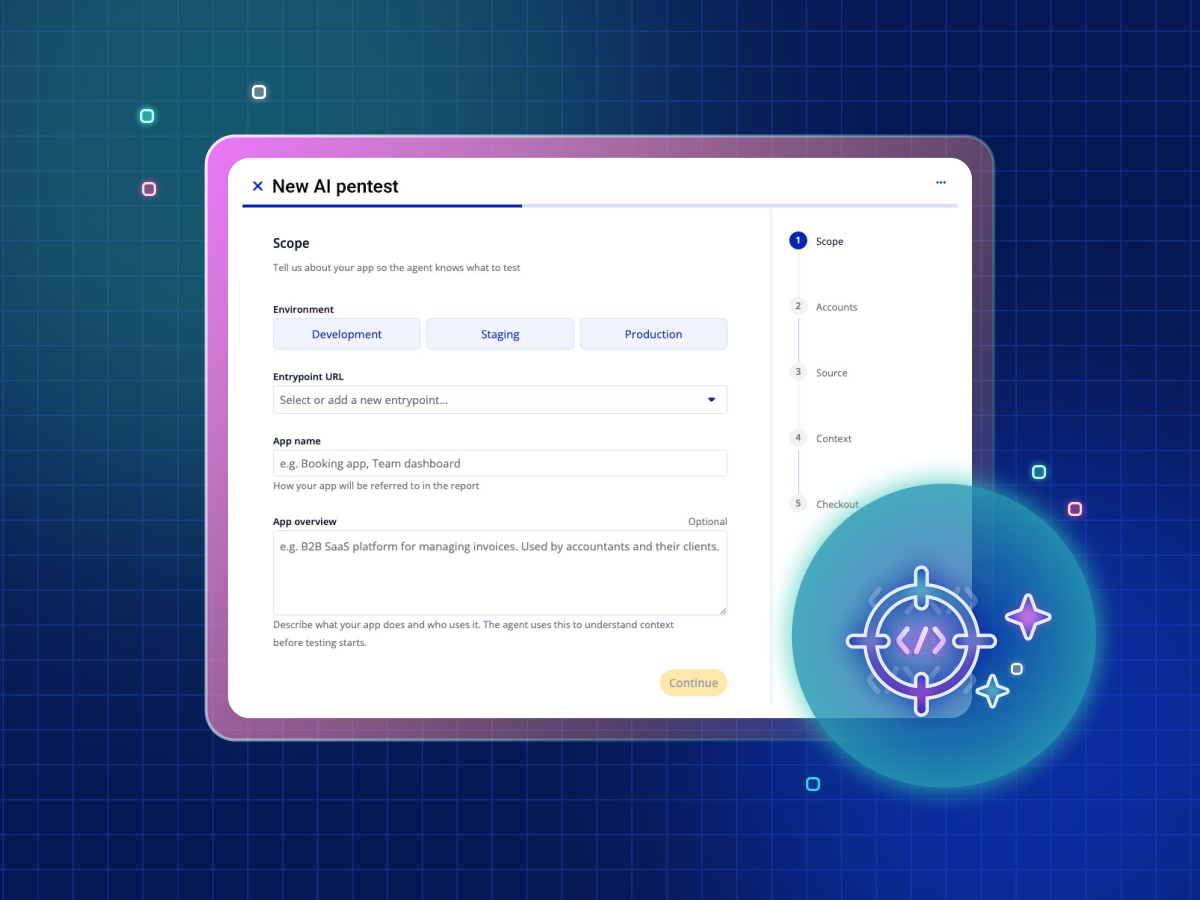
AI pentesting is introduced as a solution to the growing gap between vulnerability scanning and penetration testing. Traditional pentesting is infrequent and costly, while vulnerability scanners lack depth and context. With the threat landscape evolving rapidly, AI enables continuous pentesting, allowing organizations to test web applications on every major release. This approach addresses the timing problem of pentesting, which typically occurs annually, leaving new code untested. AI-driven pentesting can be executed at a fraction of the cost and time of manual testing, making it accessible for more organizations. The first AI pentesting capabilities launched by Intruder focus on validating injection flaws and other vulnerabilities. As the average number of high-severity vulnerabilities rises, AI pentesting is positioned as a critical tool for modern security practices.
Ask AI about this cluster
Answers cite the sources they use
Timeline
More articles in this cluster (3)
Continue Reading
 Critical BeyondTrust 9.3 Vulnerability Actively Exploited by Threat Actor A critical vulnerability (CVE-2026-102764) in BeyondTrust Remote Support has been discovered and is actively being exploited by the threat group ARMORY CASTLE, reportedly linked to China. The vulnerability, which has a CVSS score of 9.3, allows unauthenticated attackers to upload files and potentially compromise host…
 Lazarus APT Launches Operation FlashHole Using AI and Post-Quantum Cryptography Kaspersky has identified a cyberespionage campaign, dubbed Operation FlashHole, attributed to the Lazarus APT group, active since July 2025. The campaign has targeted at least three organizations in South Korea's construction, software, and wire-communication sectors. Attack methods include spear-phishing emails…