 www.prnewswire.com
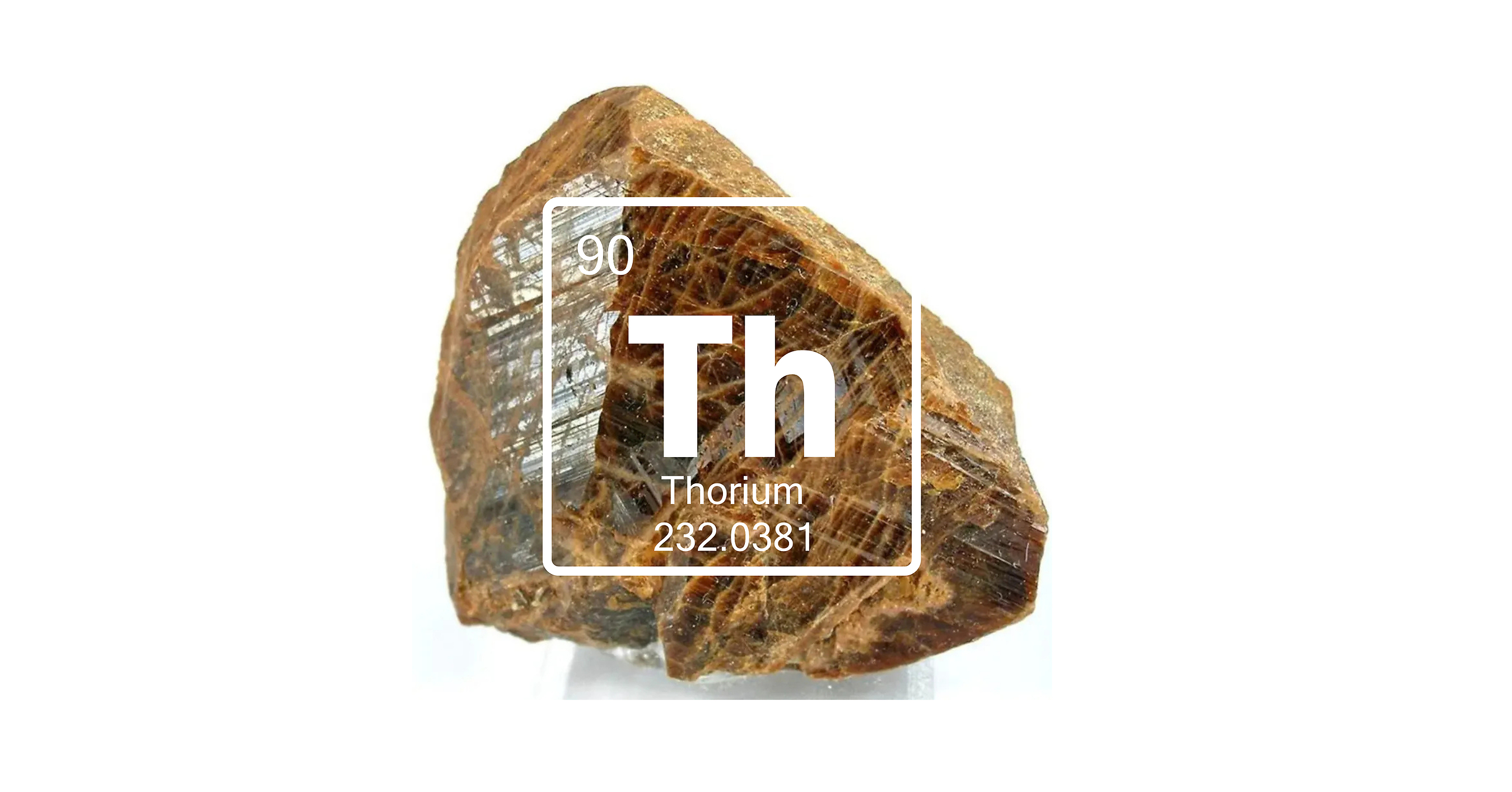
 AMPERA Secures Thorium Supply from Australia for Advanced Nuclear Fuel Production
Article Content

- •AMPERA has launched a subsidiary in Australia to secure thorium for nuclear fuel production.
- •The company aims to vertically integrate its supply chain, producing TRISO fuel kernels domestically.
- •Thorium is chosen for its abundance, safety, and potential for higher fuel utilization compared to uranium.
Energy technology firm AMPERA has established a subsidiary in Australia to secure thorium for its advanced nuclear reactors. The company aims to vertically integrate its fuel supply chain, processing thorium from Australian sources into tri-structural isotropic (TRISO) fuel kernels. This initiative follows a bilateral agreement between the U.S. and Australia for critical minerals, enhancing energy security and reducing reliance on international markets. AMPERA's reactors will utilize thorium, which is more abundant and safer than uranium, to achieve higher fuel utilization rates and generate less long-lived waste. The firm has filed over 60 patents to protect its proprietary manufacturing processes. AMPERA's operations are expected to minimize price volatility risks and ensure a stable fuel supply as they expand their production capabilities.
Ask AI about this cluster
Answers cite the sources they use
Timeline
More articles in this cluster (2)
Continue Reading
 Critical WSO2 API Manager Vulnerability Under Active Exploitation A critical vulnerability (CVE-2026-5430) in WSO2 API Manager is being actively exploited, allowing unauthenticated attackers to forge admin tokens via JWT authentication bypass. This flaw, which has a CVSS score of 10.0, affects multiple WSO2 products including API Manager, Universal Gateway, Traffic Manager, and API…
  Critical Linux Kernel Vulnerability CVE-2025-39682 Under Active Exploitation A critical vulnerability (CVE-2025-39682) in the Linux kernel allows remote code execution through mishandling of zero-length TLS records. This flaw affects kTLS-enabled hosts running vulnerable kernel versions, exposing them to attackers without authentication. CISA added this vulnerability to its Known Exploited…