 karansaini.com
 Android Dialer Vulnerability Enables One-Tap Call Forwarding Hijack
Article Content

- •Vulnerability allows one-tap call forwarding hijack via MMI codes.
- •66 of 88 scanned apps with CALL_PHONE permission are affected.
- •Google classifies the issue as a third-party app problem.
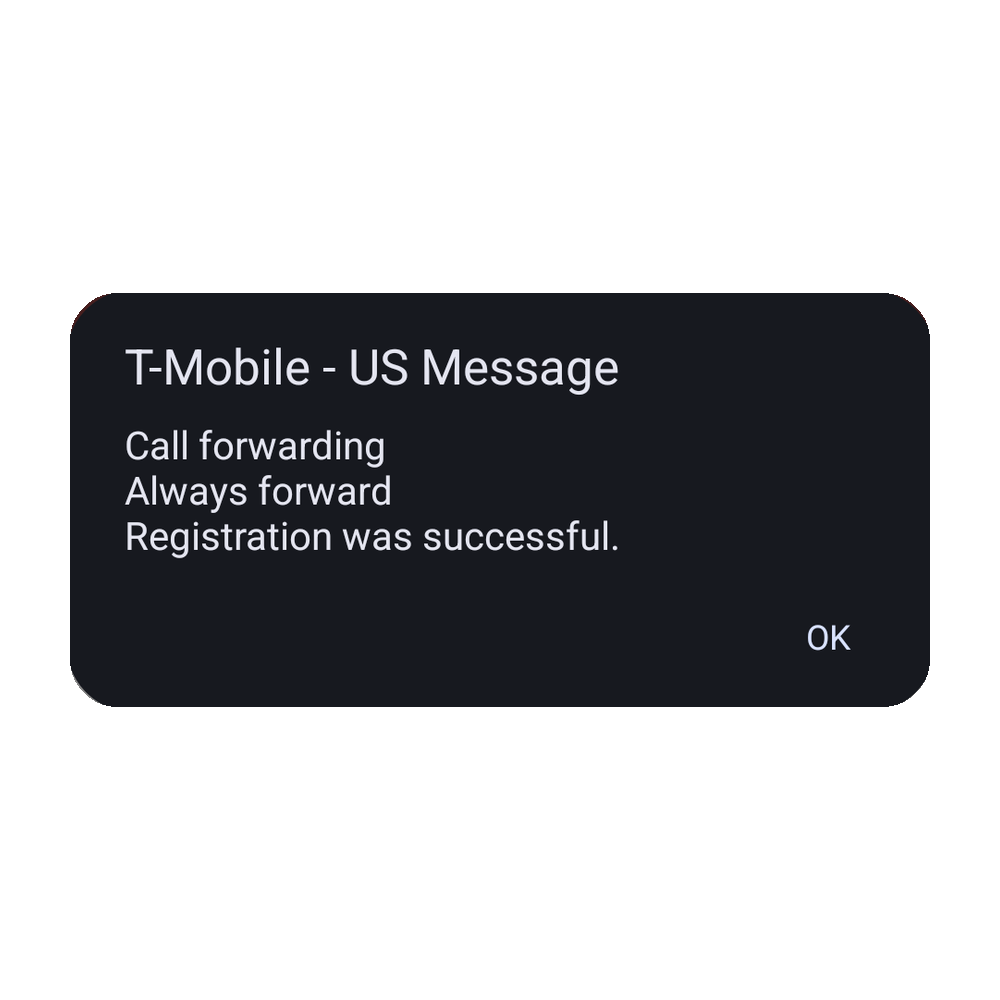
A security researcher has demonstrated a vulnerability in Android dialer apps that allows attackers to silently execute MMI codes via a single tap on a web link. This exploit targets apps with the CALL_PHONE permission, enabling unauthorized call forwarding without user consent. The researcher, known as karansaini, found that 66 out of 88 scanned call and VoIP applications declared the CALL_PHONE permission, with 54 exposing browser-reachable dialer deeplinks. The exploit was confirmed on devices running Android 16 and an emulator for Android 17. Google has classified this issue as a third-party app problem rather than an OS vulnerability. The researcher reported that the attack could intercept important calls, including one-time passcodes and bank verification callbacks. The vulnerability poses significant risks to users with vulnerable dialer applications installed on their devices.
Ask AI about this cluster
Answers cite the sources they use
Timeline
More articles in this cluster (2)
Following this threat?
Track CVE-2024-36064 in your own feed — you're alerted when they show up in new reporting, leak sites or exploitation.
Free account · no card needed
Common questions
Which Android versions are affected?
How can this vulnerability be exploited?
What should users do to protect themselves?
Continue Reading
 CVE-2015-3306 Exploited in ProFTPD FTP Servers CVE-2015-3306, a vulnerability in ProFTPD 1.3.5, allows remote attackers to read and write arbitrary files using the SITE CPFR and SITE CPTO commands. This exploit can lead to unauthorized access and potential remote code execution, as the commands are executed with the privileges of the ProFTPD service. Active…
  CISA Mandates Urgent Patching of Five Critical Flaws Exploited by Flax Typhoon The U.S. Cybersecurity and Infrastructure Security Agency (CISA) has ordered federal agencies to patch five critical vulnerabilities by October 11, 2026, following exploitation by the China-linked hacking group Flax Typhoon. The vulnerabilities, added to CISA's Known Exploited Vulnerabilities (KEV) catalog, include…