 Bostonherald
North Korean Hackers Steal $6.3 Billion from Binance in Record Cyber Heist
Article Content

- •Binance lost $6.3 billion in a cyberattack attributed to North Korean hackers.
- •The FBI confirmed the involvement of the TraderTraitor hacking group in the breach.
- •Binance has replenished 95% of stolen assets and resumed withdrawals in phases.
On October 29, 2026, Binance, the world's largest cryptocurrency exchange, suffered a massive cyberattack attributed to North Korean hackers known as TraderTraitor, resulting in the theft of approximately $6.3 billion in digital assets. The attackers exploited vulnerabilities in Binance's hot wallet system, allowing unauthorized withdrawals across multiple blockchains. The FBI confirmed the involvement of TraderTraitor, a group linked to previous high-profile hacks, including the $1.5 billion Bybit theft. Binance reported that it has replenished 95% of the stolen assets using its own funds, including its Secure Asset Fund for Users (SAFU). As of November 1, 2026, Binance began restoring withdrawals in phases, with a significant spike in customer withdrawals observed. Approximately $3 billion of the stolen assets have been frozen through cooperation with law enforcement and industry partners. The incident has raised concerns about the security of centralized exchanges and the ongoing threat of state-sponsored cybercrime.
Ask AI about this cluster
Answers cite the sources they use
Timeline
More articles in this cluster (236)
Following this threat?
Track WannaCry, APT38 and TraderTraitor in your own feed — you're alerted when they show up in new reporting, leak sites or exploitation.
Free account · no card needed
Common questions
What measures is Binance taking to secure user funds?
How much of the stolen funds has Binance recovered?
Is the TraderTraitor group known for other attacks?
Continue Reading
 Binance Hack: $6.3 Billion Stolen by North Korean Group On October 30, 2026, hackers stole $6.3 billion in tokens from Binance, the world's largest crypto exchange. The attack is attributed to a North Korean hacking group known as TraderTraitor. The hackers executed the theft by quickly moving tokens, with the entire amount withdrawn within half an hour. Binance has…
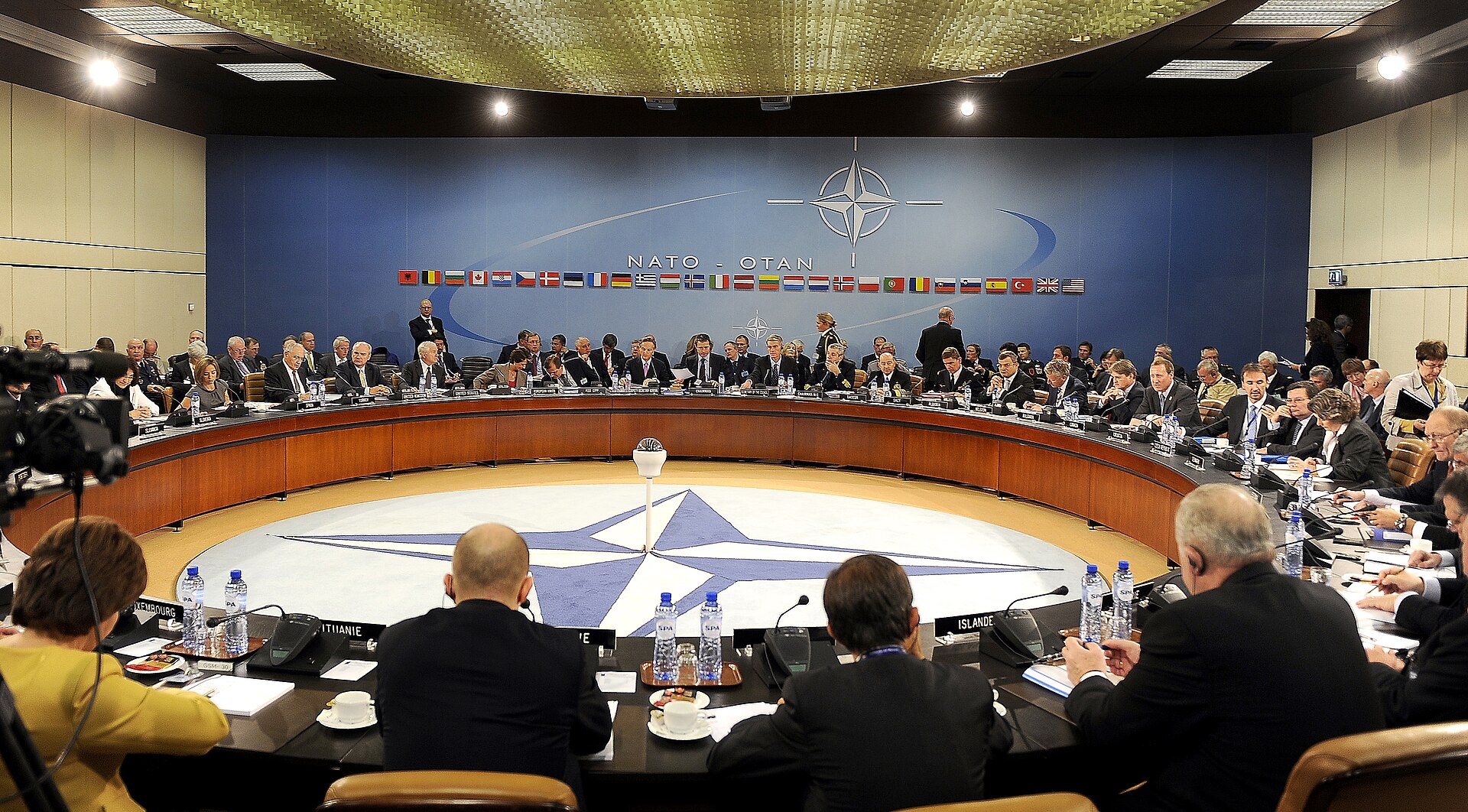 NATO Rethinks Article 5 Threshold for Cyber Attacks NATO is facing increasing cyber threats, prompting a reevaluation of its Article 5 collective defense clause. The ambiguity surrounding what constitutes an 'armed attack' in cyberspace is significant, as traditional definitions struggle to encompass modern cyber operations. NATO's 2014 affirmation that cyberattacks…