 Feeds2.Feedburner
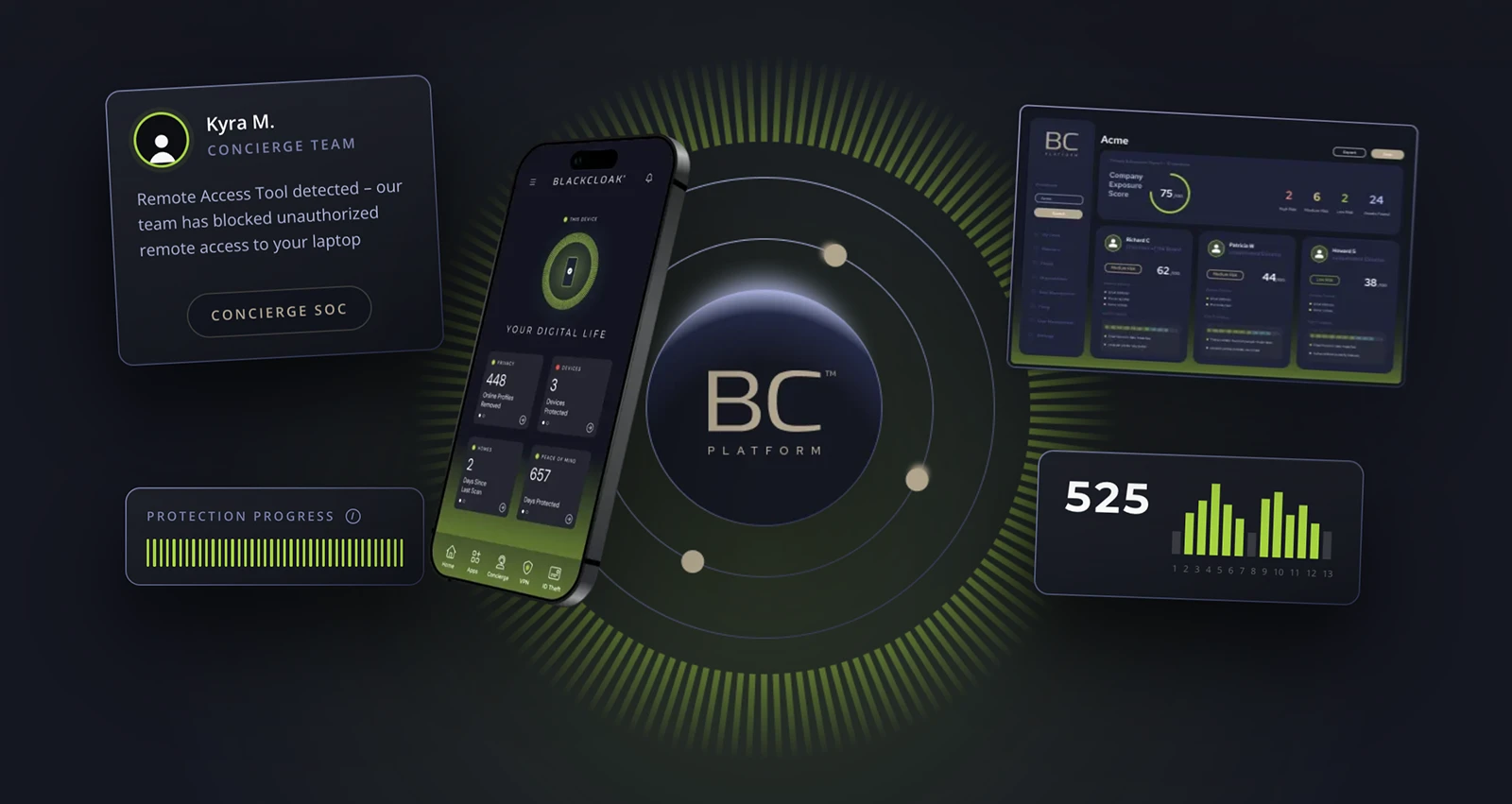
BlackCloak Enhances Deepfake Protection for Executives and Their Trusted Circles
Ask AI about this cluster
Analyzing cluster data...
Referenced clusters:
Something went wrong. Please try again.
Cluster AI
Ask questions about this threat cluster with AI-powered analysis.
Get Researcher $29.99/moArticle Content
On July 28, 2026, BlackCloak announced an extension of its deepfake protection technology at Black Hat USA 2026. The new 'circle of trust' feature validates communications for executives and their close associates, including family and advisors. Research from the Ponemon Institute revealed that 42% of executives have faced deepfake attacks, with 59% finding them hard to detect. Traditional detection methods are insufficient as attackers exploit personal communication channels. BlackCloak's Impersonation Protection aims to address these vulnerabilities by confirming the authenticity of messages and calls. This expansion is crucial as deepfake technology becomes more accessible to attackers, raising concerns about disinformation security. Gartner reports that 36% of organizations experienced social engineering attacks involving deepfakes in 2025.
Key Points: • BlackCloak launched a new feature to protect executives from deepfake attacks. • 42% of executives have been targeted by deepfake attacks, highlighting the urgency of this issue. • The new technology validates communications across personal channels, enhancing security.