 Gizmodo
Border Device Searches Surge Amid Political Tensions
Article Content

- •Border searches of devices have risen 32% in 2026.
- •47,517 searches were classified as basic, requiring no suspicion.
- •Refusal to provide device passcodes can result in detention of the device.
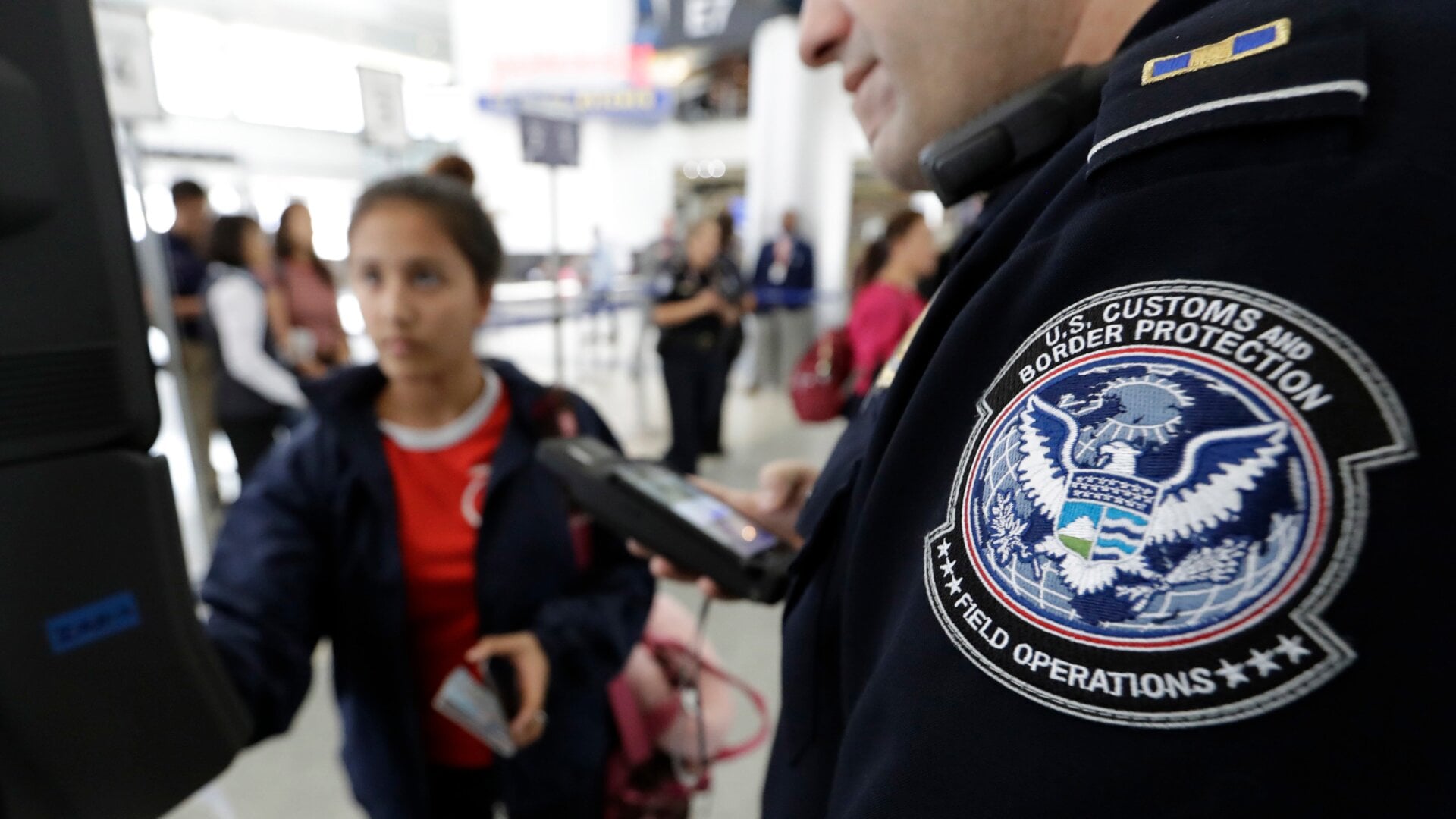
Border searches of laptops and smartphones entering the U.S. have increased by 32% in 2026, with 55,424 devices searched in the previous fiscal year. This rise is attributed to heightened scrutiny by U.S. Customs and Border Protection, particularly in the context of midterm elections. Basic searches, which require no reasonable suspicion, accounted for 47,517 of these searches, while advanced searches, requiring reasonable suspicion, totaled 4,564. Travelers must provide passcodes for their devices, and refusal can lead to detention of the device for up to five days. The increase reflects broader concerns about surveillance and civil liberties under the current administration, especially as election-related tensions rise.
Ask AI about this cluster
Answers cite the sources they use
Timeline
More articles in this cluster (2)
Following this threat?
Track CBC News in your own feed — you're alerted when they show up in new reporting, leak sites or exploitation.
Free account · no card needed
Common questions
What types of searches are conducted?
What happens if I refuse to provide my passcode?
How many devices were searched last year?
Continue Reading
 Brotli Decoder Vulnerability Patched Across Multiple Linux Distributions A vulnerability, CVE-2026-111497, affecting the Brotli decoder has been patched in various Linux distributions, including Fedora 44 and Oracle Linux 10. The flaw allows for an out-of-bounds write, which could potentially enable attackers to execute arbitrary code. The vulnerability was published on October 22, 2026…