 Kyivindependent
Evacuation from Oleshky Amid Concerns of Forced Deportation
Article Content

- •A humanitarian evacuation is taking place in Oleshky, with a ceasefire in effect since October 27.
- •Concerns exist over potential forced deportation of evacuees through Russian territory.
- •Approximately 2,000 civilians remain in Oleshky, facing critical shortages of food and medicine.
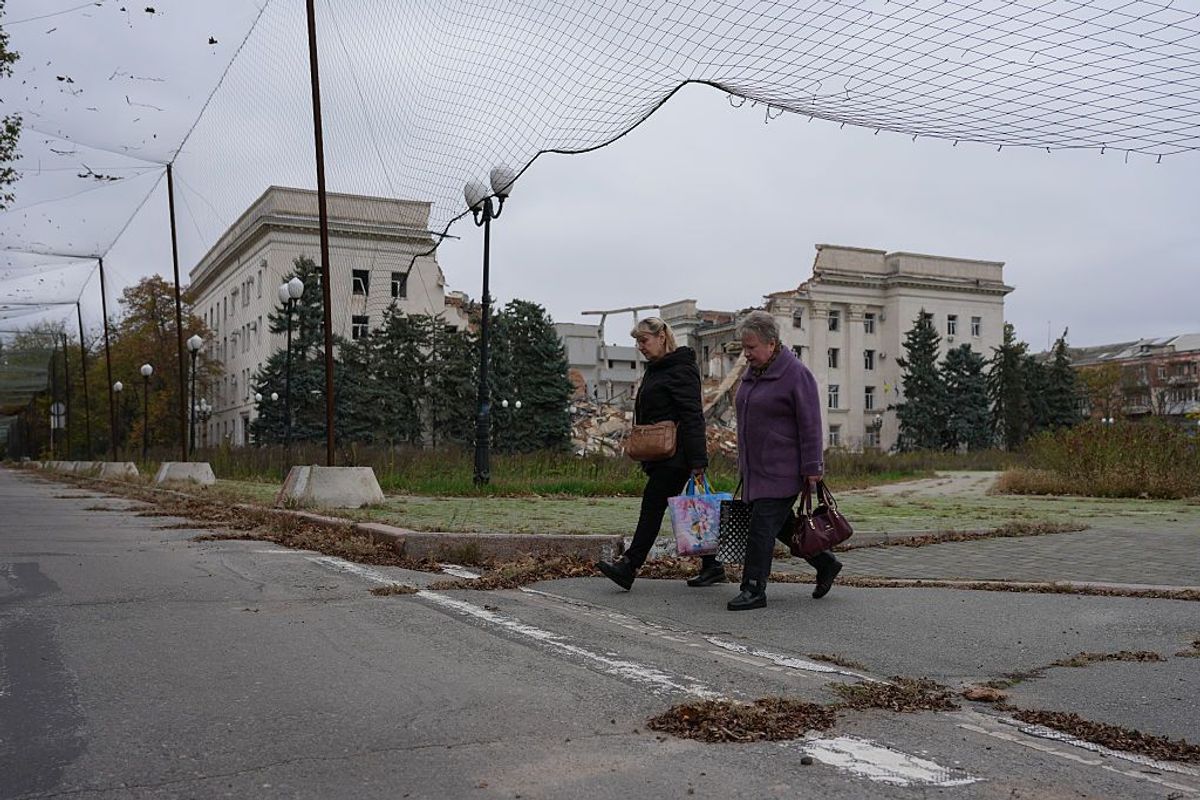
A humanitarian evacuation operation is underway in Russian-occupied Oleshky, Ukraine, with a ceasefire in effect since October 27. Ukrainian officials have prepared buses and ambulances to transport residents, but concerns arise over potential forced deportation through Russian territory. Reports suggest that evacuees may first be taken to Crimea or Russia before reaching Ukrainian-controlled areas, echoing previous incidents of forced transfers from Mariupol. As of October 30, the evacuation is set to conclude by 2 p.m. local time, with humanitarian aid distribution planned shortly after. The operation has drawn attention due to the historical context of forced deportations during the ongoing conflict. Approximately 2,000 civilians remain in Oleshky, facing severe shortages of essentials. The situation is complicated by ongoing Russian attacks elsewhere in Ukraine, despite the ceasefire holding in Oleshky.
Ask AI about this cluster
Answers cite the sources they use
Timeline
More articles in this cluster (4)
Common questions
What is the current status of the evacuation?
Are there concerns about forced deportation?
How many civilians remain in Oleshky?
Continue Reading
 Binance Hack: $6.3 Billion Stolen in Largest Crypto Heist On October 29, 2026, Binance, the world's largest cryptocurrency exchange, reported a major security incident involving an estimated $6.3 billion in stolen funds. The attack was attributed to a compromised laptop belonging to a DevOps engineer, allowing unauthorized withdrawal transactions. Approximately $3 billion in…
 China-Linked Hackers Exploit PHP2Shell Vulnerabilities to Breach U.S. Government Systems On October 21, 2026, the PHP development team released patches for two critical vulnerabilities in PHP, known as PHP2Shell (CVE-2026-109618 and CVE-2026-109619), which allow unauthenticated remote code execution. These vulnerabilities were actively exploited by a suspected China-linked threat actor who compromised 25…