 Popsci
Chernobyl Hot Particles Remain Stable After 40 Years
Article Content

- •Researchers found Chernobyl's hot particles are more stable than expected.
- •Three types of hot particles were identified, each with different chemical properties.
- •Continued study of these particles is crucial for assessing long-term health risks.
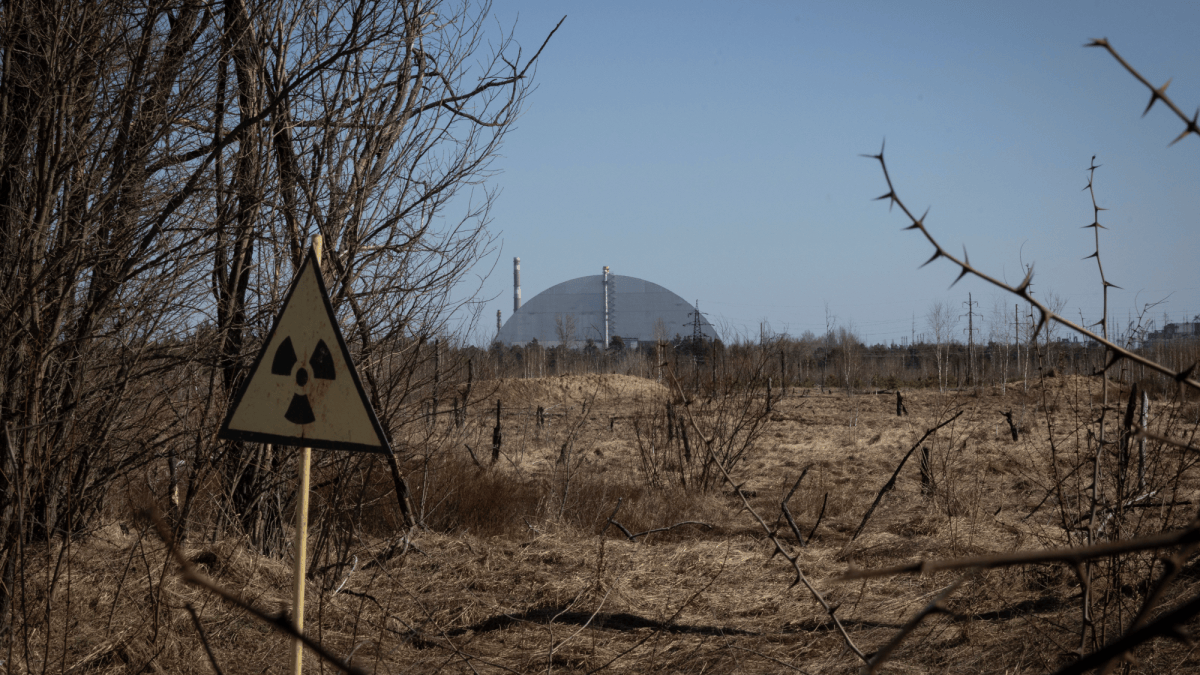
Researchers from Leibniz University Hannover and Helmholtz-Zentrum Dresden-Rossendorf have analyzed six radioactive particles from the Chernobyl disaster, revealing they are more chemically stable than previously thought. These 'hot particles', measuring 8 to 50 micrometers, were released during the reactor explosion in 1986 and still pose health risks. The study categorized the particles into three types: those similar to uranium dioxide, those fused with zirconium from high temperatures, and those oxidized during the graphite fire. The findings suggest that the particles' crystal structures have remained largely intact over the decades. The research aims to improve assessments of health risks associated with these radioactive remnants. Protective gear is still required for those entering the contaminated areas of the Chernobyl Exclusion Zone. The results were published in the Journal of Hazardous Materials.
Ask AI about this cluster
Answers cite the sources they use
Timeline
More articles in this cluster (4)
Common questions
What are hot particles?
How stable are these particles?
What health risks do they pose?
Continue Reading
 Critical BeyondTrust 9.3 Vulnerability Actively Exploited by Threat Actor A critical vulnerability (CVE-2026-102764) in BeyondTrust Remote Support has been discovered and is actively being exploited by the threat group ARMORY CASTLE, reportedly linked to China. The vulnerability, which has a CVSS score of 9.3, allows unauthenticated attackers to upload files and potentially compromise host…
 Lazarus APT Launches Operation FlashHole Using AI and Post-Quantum Cryptography Kaspersky has identified a cyberespionage campaign, dubbed Operation FlashHole, attributed to the Lazarus APT group, active since July 2025. The campaign has targeted at least three organizations in South Korea's construction, software, and wire-communication sectors. Attack methods include spear-phishing emails…