 Nbcnews
 U.S.-China Trade Tensions Escalate with New Tariffs and Sanctions
Article Content

- •The U.S. imposed new tariffs of 10% to 12.5% on 60 economies, citing forced labor issues.
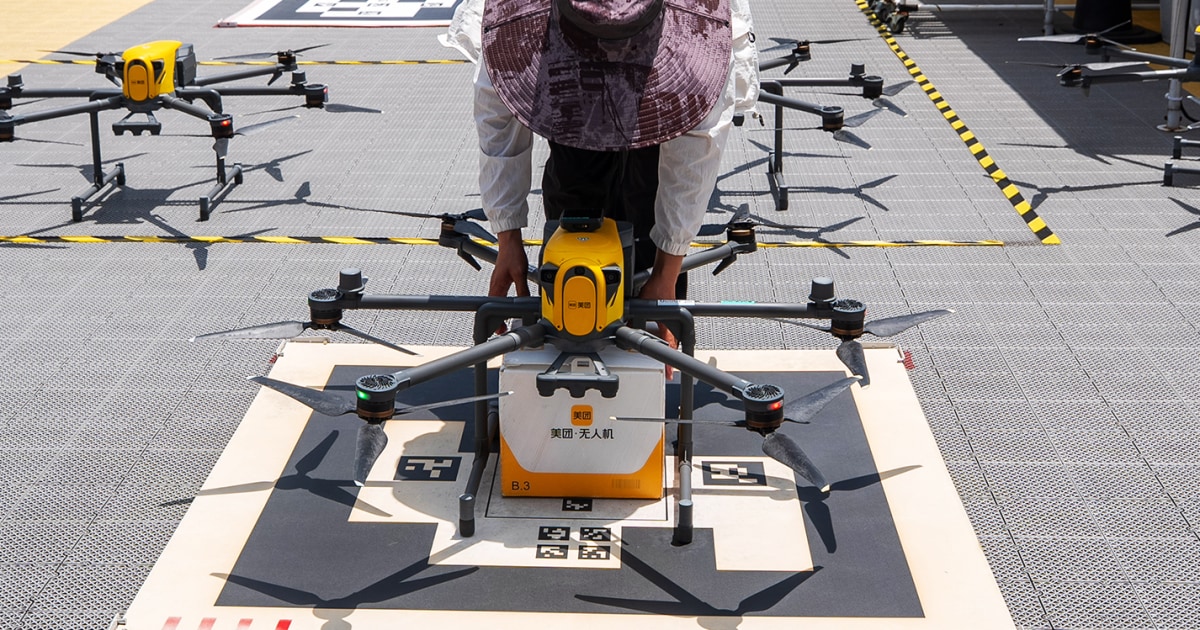
- •China retaliated with bans on six U.S. companies and export controls on drones.
- •Tensions are rising ahead of a summit between Presidents Trump and Xi, with no major breakthroughs anticipated.
On August 6, 2026, the U.S. announced new tariffs of 10% to 12.5% on 60 economies, citing inadequate enforcement against forced labor. This move drew immediate backlash from affected countries, including Australia, Japan, and South Korea, who deemed the tariffs unjustified. Concurrently, China imposed countermeasures, including bans on six U.S. companies and export controls on drones, in response to U.S. sanctions. The escalating trade war has led to increased tensions between the two nations, with significant implications for global trade and economic stability. Both sides are preparing for a summit, but major breakthroughs are not expected. The situation reflects ongoing geopolitical struggles and the complexities of international trade relations.
Ask AI about this cluster
Answers cite the sources they use
Timeline
More articles in this cluster (5)
Continue Reading
 Critical WSO2 API Manager Vulnerability Under Active Exploitation A critical vulnerability (CVE-2026-5430) in WSO2 API Manager is being actively exploited, allowing unauthenticated attackers to forge admin tokens via JWT authentication bypass. This flaw, which has a CVSS score of 10.0, affects multiple WSO2 products including API Manager, Universal Gateway, Traffic Manager, and API…
  Critical Linux Kernel Vulnerability CVE-2025-39682 Under Active Exploitation A critical vulnerability (CVE-2025-39682) in the Linux kernel allows remote code execution through mishandling of zero-length TLS records. This flaw affects kTLS-enabled hosts running vulnerable kernel versions, exposing them to attackers without authentication. CISA added this vulnerability to its Known Exploited…