 Afr
Afr China's AI Data Centre Expansion Accelerates in Inner Mongolia
Article Content

- •China is rapidly building data centres in Inner Mongolia for AI development.
- •ByteDance plans to invest up to 960 billion yuan in new data centre capacity.
- •Ulanqab is emerging as a major hub for AI infrastructure with 89 data centres planned.
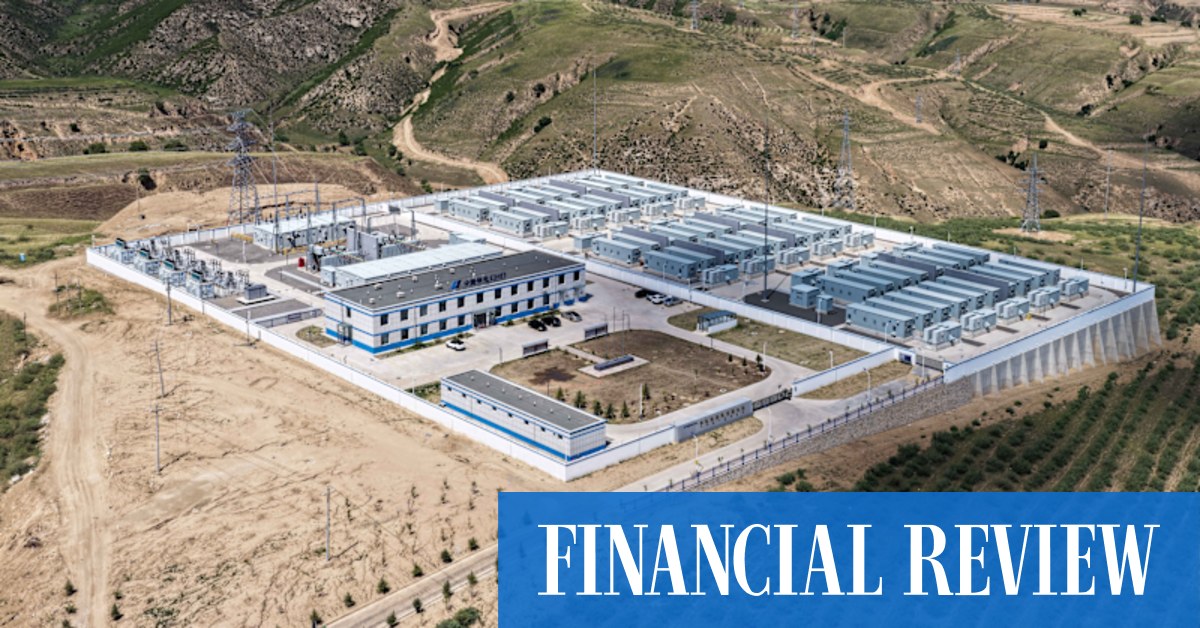
China is rapidly constructing data centres in Inner Mongolia, particularly in Ulanqab, to support its AI ambitions. ByteDance, the parent company of TikTok, plans to expand its data centre capacity by adding 5 to 6 gigawatts of computing power, with investments estimated between 800 billion to 960 billion yuan. This expansion is part of a broader trend among Chinese tech giants investing heavily in AI infrastructure, with other companies like Huawei and Alibaba also involved in the region. The Ulanqab area is becoming a significant hub for AI computing, with 89 data centres either built or planned. This buildout is driven by China's desire to leverage its abundant energy resources and cheap land for competitive advantage in the global AI race.
Ask AI about this cluster
Answers cite the sources they use
Timeline
More articles in this cluster (2)
Following this threat?
Track ByteDance in your own feed — you're alerted when they show up in new reporting, leak sites or exploitation.
Free account · no card needed
Common questions
What is the scale of ByteDance's investment?
Which companies are involved in the Ulanqab data centre expansion?
What is driving the data centre buildout in Inner Mongolia?
Continue Reading
 CVE-2015-3306 Exploited in ProFTPD FTP Servers CVE-2015-3306, a vulnerability in ProFTPD 1.3.5, allows remote attackers to read and write arbitrary files using the SITE CPFR and SITE CPTO commands. This exploit can lead to unauthorized access and potential remote code execution, as the commands are executed with the privileges of the ProFTPD service. Active…
  CISA Mandates Urgent Patching of Five Critical Flaws Exploited by Flax Typhoon The U.S. Cybersecurity and Infrastructure Security Agency (CISA) has ordered federal agencies to patch five critical vulnerabilities by October 11, 2026, following exploitation by the China-linked hacking group Flax Typhoon. The vulnerabilities, added to CISA's Known Exploited Vulnerabilities (KEV) catalog, include…