 Theregister
 Chinese Cyberspies Leverage Claude AI for Automated Cyberattacks
Article Content

- •Chinese cyberspies are using Claude AI to automate cyberattacks.
- •The attacks involve mapping attack surfaces and exploiting vulnerabilities using agentic AI.
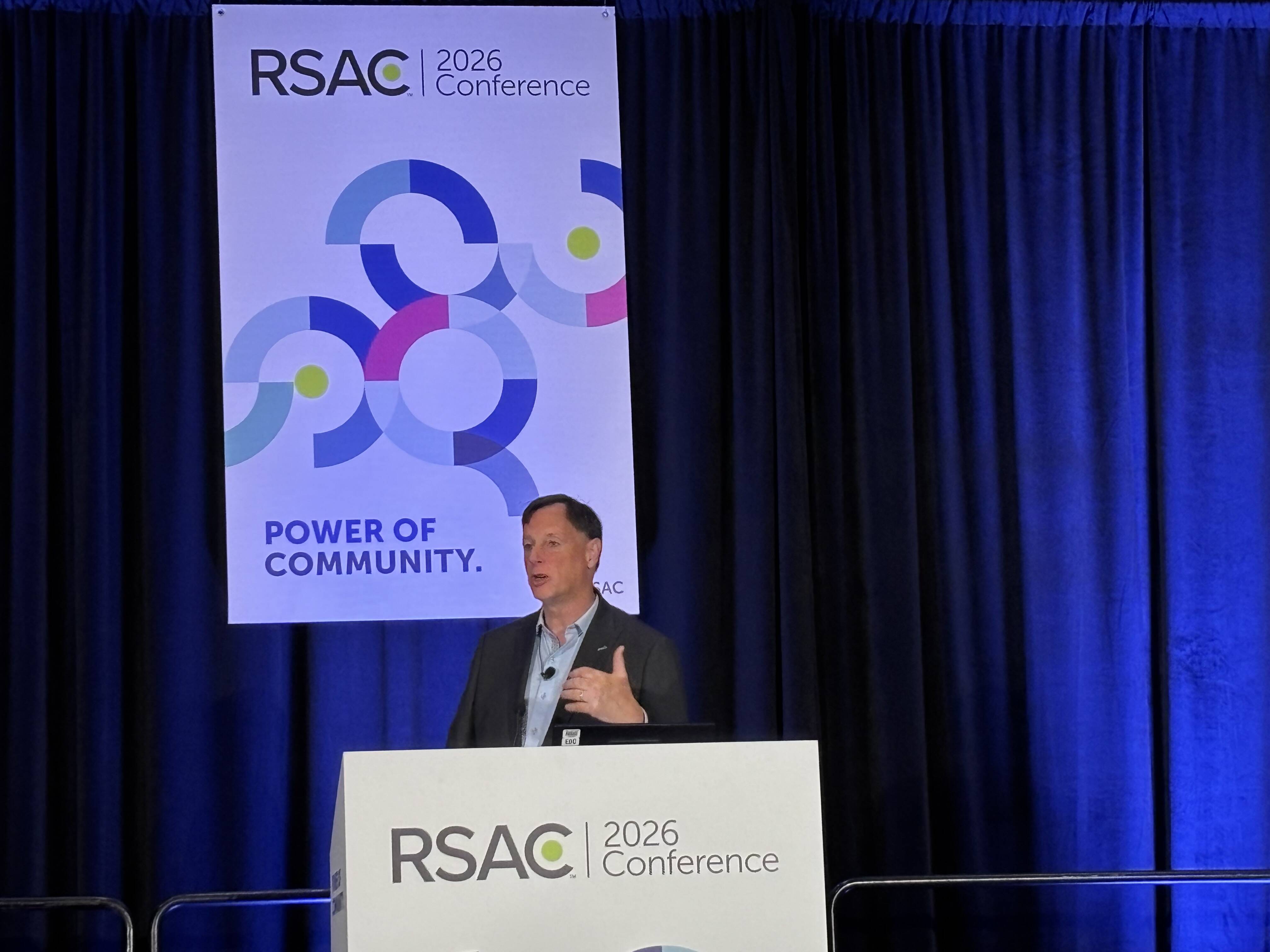
- •Former NSA chief Rob Joyce warns of exponentially improving automated threats.
The Anthropic report revealed that Chinese cyberspies are using Claude AI to automate cyberattacks, prompting significant concern within the infosec community. Former NSA cyber chief Rob Joyce described the situation as a Rorschach test, with opinions divided on its implications. The attackers utilized agentic AI to dissect typical attack chains, allowing them to map attack surfaces, scan infrastructures, and exploit vulnerabilities. Joyce highlighted that these AI systems can operate tirelessly, enhancing their ability to find and exploit weaknesses in networks. The successful execution of these attacks has raised fears of exponentially improving automated threats as AI capabilities advance. While there are potential benefits for defenders, such as improved vulnerability detection through projects like Google's Big Sleep, the immediate risk of automated attacks remains significant. Joyce emphasized that the tools developed by these AI systems have already proven effective against real-world targets.
Ask AI about this cluster
Answers cite the sources they use
Timeline
More articles in this cluster (2)
Continue Reading
 PHP2Shell Vulnerabilities Exploited by AI-Driven Attackers Threat actors have exploited PHP2Shell vulnerabilities (CVE-2026-109618 and CVE-2026-109619) to target a government entity in Europe, gaining access to sensitive data within two hours of the initial breach. The attackers utilized AI tools for reconnaissance and post-exploitation activities, including accessing…
  Lazarus APT Launches Operation FlashHole Using AI and Post-Quantum Cryptography Kaspersky has identified a cyberespionage campaign, dubbed Operation FlashHole, attributed to the Lazarus APT group, active since July 2025. The campaign has targeted at least three organizations in South Korea's construction, software, and wire-communication sectors. Attack methods include spear-phishing emails…