 Ia.Acs.Au
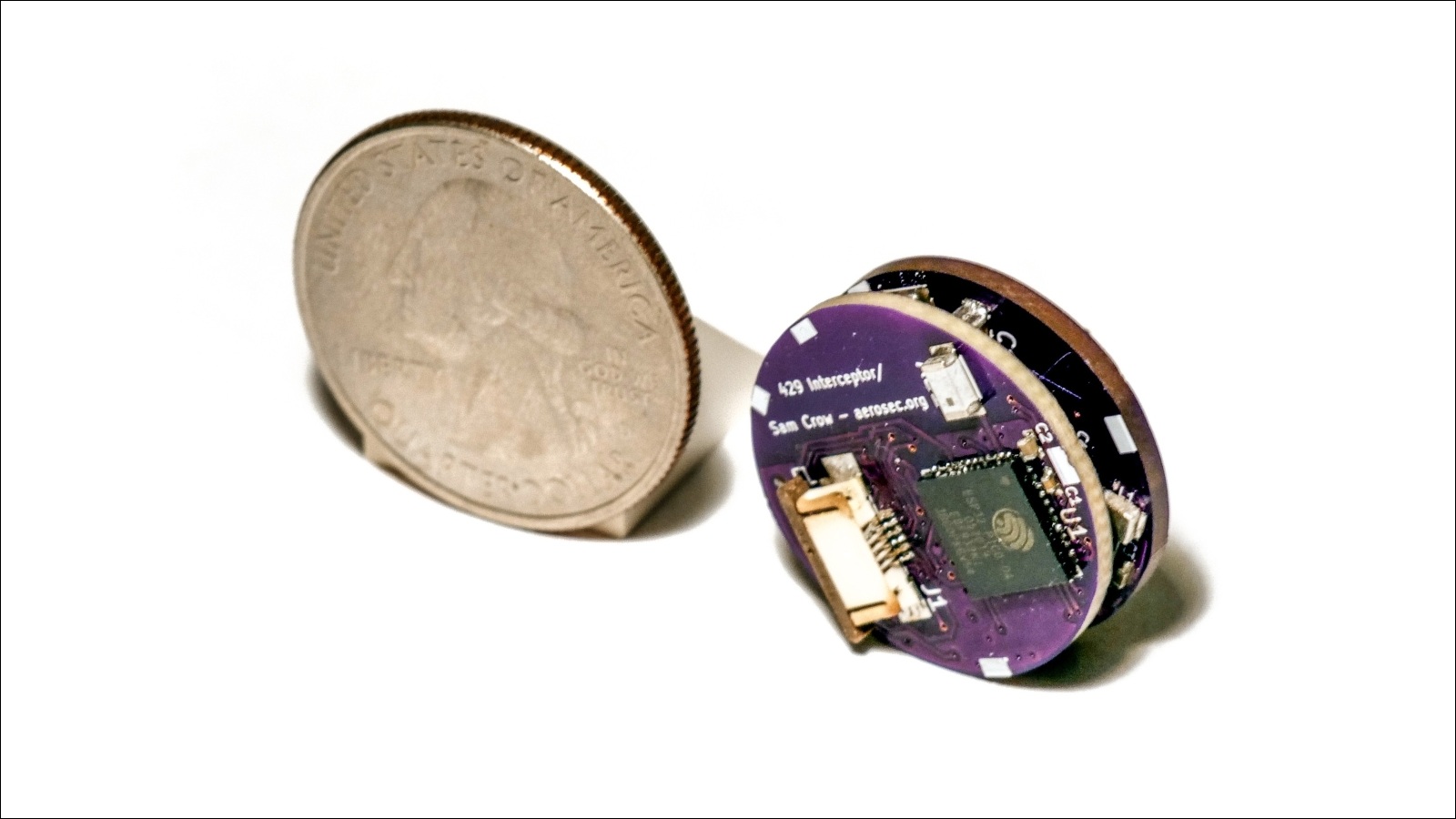
 Coin-Sized Device Can Hijack Boeing 737 Flight Systems in Under a Minute
Article Content

- •A coin-sized device can hijack Boeing 737 flight systems in under 60 seconds.
- •The attack requires physical access to the aircraft's communication ports.
- •Boeing has acknowledged the vulnerability and collaborated with researchers since 2020.
Researchers from UC San Diego and Oberlin College demonstrated a proof-of-concept attack using a coin-sized device that can hijack critical flight systems in Boeing 737 aircraft. By plugging the device into a hardwired communications channel, attackers can manipulate flight data, potentially redirecting flights or causing unsafe takeoff conditions. The attack requires physical access to the aircraft, which can be gained during maintenance or while parked at a gate. The vulnerability was disclosed to Boeing in 2020, and the company has since collaborated with the researchers to evaluate security measures. The Boeing 737 is widely used, with approximately 8,000 units in service globally. Boeing stated that the research does not pose an immediate threat to operational safety, but they take security concerns seriously and appreciate responsible disclosure.
Ask AI about this cluster
Answers cite the sources they use
Timeline
More articles in this cluster (3)
Following this threat?
Track Boeing in your own feed — you're alerted when they show up in new reporting, leak sites or exploitation.
Free account · no card needed
Continue Reading
 Critical Zero-Day Exploit in BeyondTrust Remote Support Disclosed BeyondTrust disclosed a critical vulnerability, CVE-2026-102764, in its Remote Support product, exploited by the suspected China-linked group ARMORY CASTLE. The flaw, with a CVSS score of 9.3, allows attackers to perform arbitrary file uploads and gain host-level control without requiring credentials or user…
  CISA Mandates Urgent Patching of Five Critical Flaws Exploited by Flax Typhoon The U.S. Cybersecurity and Infrastructure Security Agency (CISA) has ordered federal agencies to patch five critical vulnerabilities by October 11, 2026, following exploitation by the China-linked hacking group Flax Typhoon. The vulnerabilities, added to CISA's Known Exploited Vulnerabilities (KEV) catalog, include…