 Techtimes
Critical Calix Router Flaw Exposes Home Networks to Attack
Article Content

- •CVE-2026-75501 allows remote attackers to bypass NAT and firewall protections.
- •No patch is available, and users are advised to disable UPnP as a workaround.
- •The vulnerability affects Calix GS5239XG routers, widely used by U.S. broadband providers.
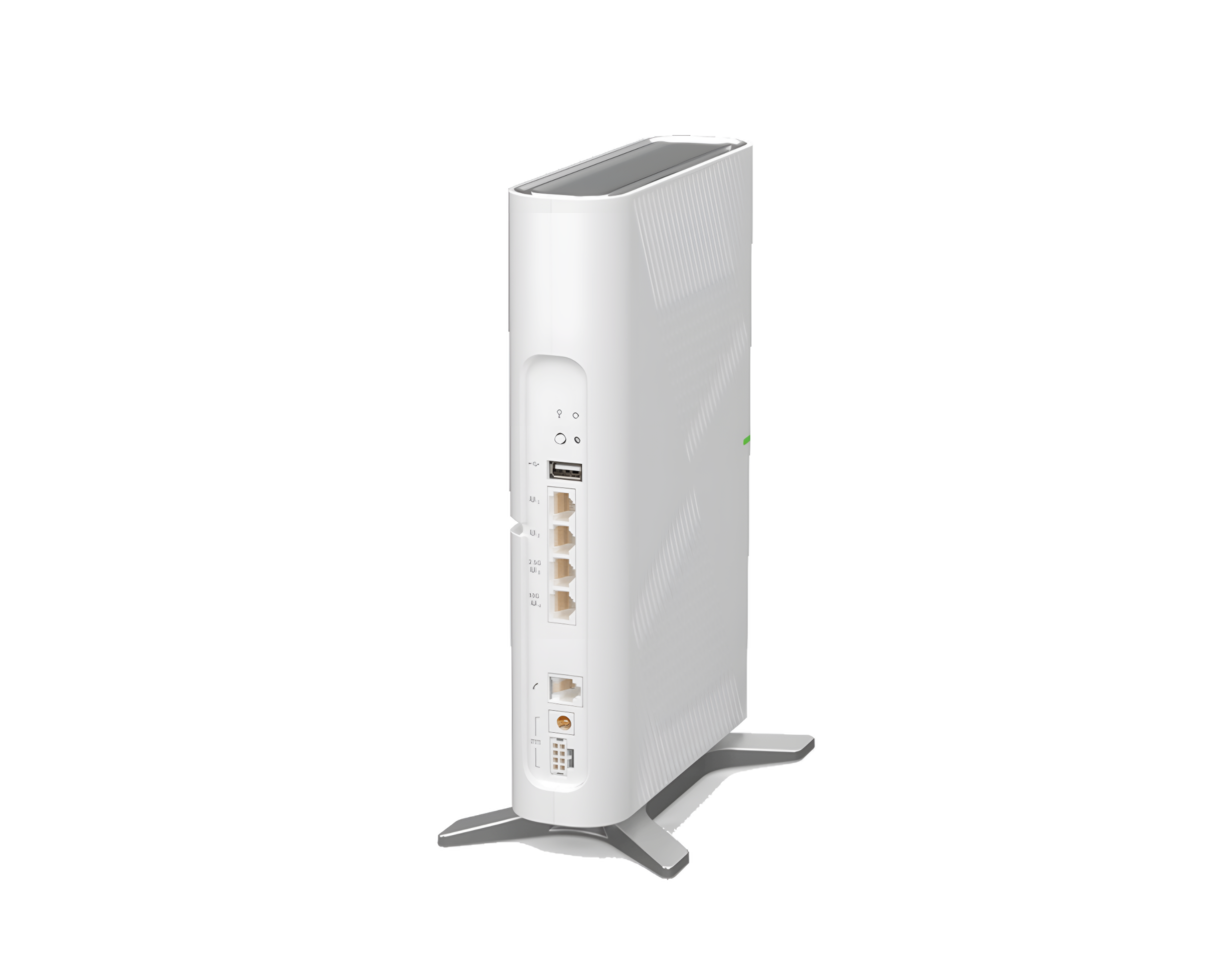
A critical vulnerability in Calix GS5239XG routers, tracked as CVE-2026-75501, allows unauthenticated remote attackers to create port-forwarding rules, exposing internal devices to the internet. Discovered by researcher Brian Khan Quintana, the flaw stems from the router's UPnP control endpoint being accessible on the WAN interface without authentication. This issue affects devices running EXOS/6.6.47 firmware and has been confirmed by the Carnegie Mellon CERT Coordination Center. No patch or firmware update has been released by Calix, and users are advised to disable UPnP as a temporary workaround. The vulnerability places millions of devices at risk, as many routers are provisioned with UPnP enabled by default. The potential impact includes exposure of sensitive internal devices like cameras and NAS drives. The situation is urgent, with active exploitation observed in the wild, as attackers can easily manipulate the router settings without user intervention.
Ask AI about this cluster
Answers cite the sources they use
Timeline
More articles in this cluster (4)
Following this threat?
Track Brightspeed and CVE-2026-75501 in your own feed — you're alerted when they show up in new reporting, leak sites or exploitation.
Free account · no card needed
Continue Reading
 Broadcom patches critical VMware vCenter auth bypass flaws; one Broadcom disclosed VMware Security Advisory VMSA-2026-0009 on November 19, 2026, covering vulnerabilities in VMware vCenter, Tools, and SDDC Manager. CVE-2026-123890, a CVSS 9.8 authentication bypass in the VMware Directory Service, is listed in CISA's KEV catalog, which the verified record gives as 2026-11-20.…
 CVE-2026-123890: Auth bypass in VMware vCenter exploited by Armory Castle before patch CVE-2026-123890, a flaw in VMware vCenter Server rated CVSS 9.8, allows an unauthenticated remote attacker to obtain an administrator session on the platform. According to the Google Threat Intelligence Group, the flaw was exploited by the espionage group Armory Castle (formerly UNC5221), which has suspected China…